The Impact of Location on Luxury Real Estate Value
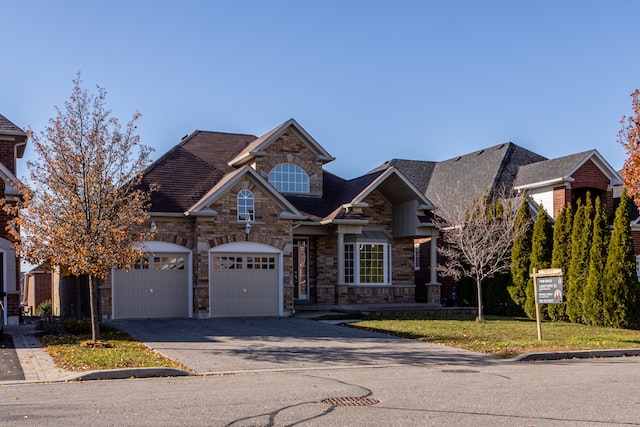
The address of a luxury property shapes its long-term market demand and value. High-end apartment buyers look at neighborhood perks before making an offer. A quiet street near top dining spots commands higher prices than a home located a few blocks away.
Micro-Location Factors and Property Worth
Location dynamics shape how top properties hold their market value. Serious buyers track luxury homes price drops to spot rare deals in prime coastal or city zip codes. Top street blocks stay strong even when broader home sales slow down.
Neighborhood prestige plays a big role in property equity growth. Proximity to cultural centers, park space, and top schools drives strong buyer interest. Homes built in these prime spots protect equity during market shifts.
City buyers search for location features that boost daily comfort and living standards. Quiet streets near private parks offer privacy and maintain fast access to business hubs. These location perks maintain strong buyer demand through every economic cycle.
Global City Trends and Pricing Shifts
Luxury real estate markets show contrasting trends across major regions. Eight of the top ten most expensive markets posted annual price declines. Prices across 30 key global cities will grow by an average of 1.3% compared to 1.8% a year prior.
Broader market metrics point to flat home pricing across developed international real estate regions. Real residential property prices in advanced economies remained broadly unchanged at 0.4% year-on-year in the fourth quarter of 2025. Smart buyers handle these shifting market trends by focusing on core city hubs.
Regional Supply and Listing Dynamics
Inventory levels vary by city and shape local negotiation power for luxury units. The Miami metro officially surpassed New York by the end of 2025, boasting 10,513 active million-dollar listings compared to New York's 9,216. Higher listing counts give buyers more options across top urban neighborhoods.
Local supply limits push home sales numbers in select areas much higher. Tight inventory led to a 6.6% increase in Miami-Dade home sales over $1 million. Wealthy buyers move fast when listing inventory drops in top residential corridors.
Select sub-markets show strong price gains under varied market conditions. The median sale price of luxury homes in the West Palm Beach metro jumped 10.7% year over year to $4.2 million, compared with a 1.2% uptick in non luxury prices. Top zip codes outperform general citywide real estate trends.
Key Features Driving Buyer Value
Buyers grade neighborhood perks before buying high-end residential units. Specific location features drive strong resale prices and buyer demand. High-density urban areas with top amenities draw steady capital from luxury buyers.
- Direct access to waterfront views or city skylines
- Short walking paths to main financial hubs
- Private security teams and gated entry points
- Quick access to top private schools
Properties with these key location perks stay easy to sell in any market. Urban apartments with full front desk services and private parking keep stable valuations. Smart buyers prioritize these key location perks when choosing their next home.
Smart Investment Decisions in Prime Locations
Navigating luxury real estate requires close attention to local neighborhood trends and listing records. Buyers who focus on streets with strong sales records protect their asset value. Picking the right block secures long-term equity growth for modern buyers. Explore current local property listings today to find your next luxury home.
If you'd like to learn more, check out more articles on our blog.