How to Choose the Right Property for Airbnb in Toronto
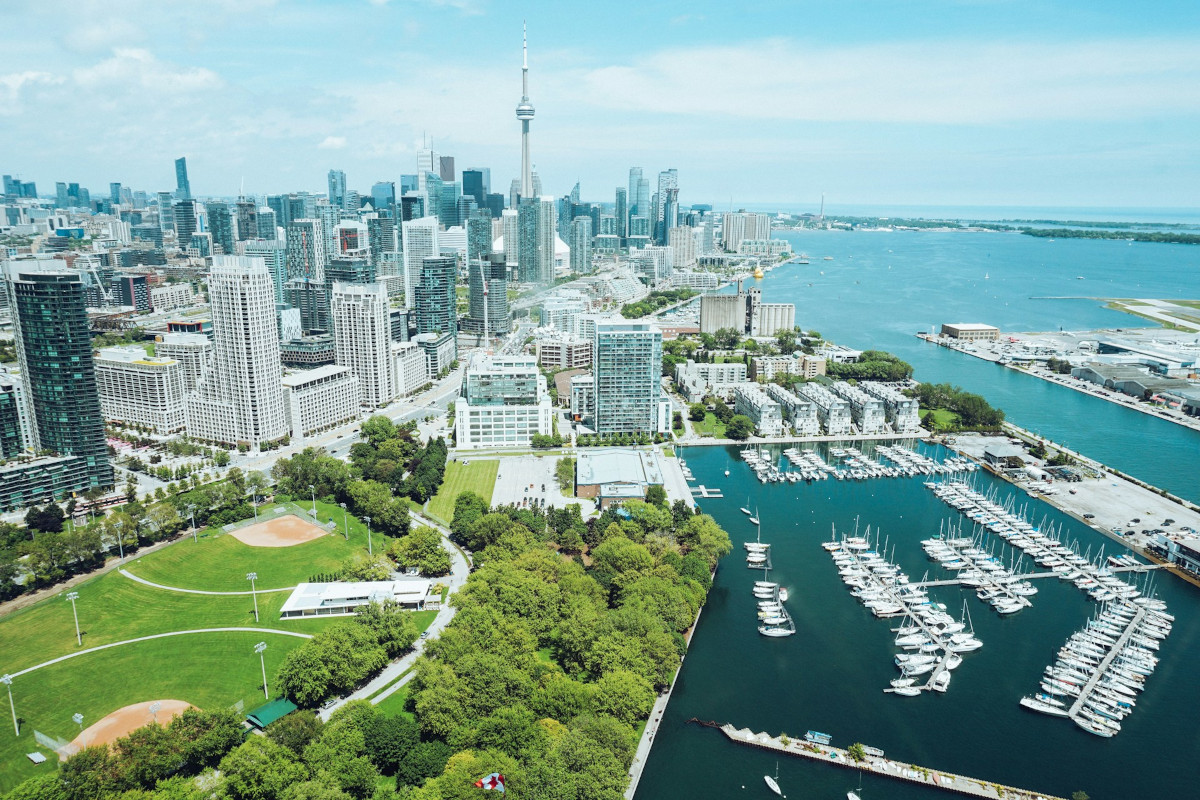
Toronto attracted over 28 million visitors in 2025, and that number keeps climbing. For anyone eyeing an Airbnb property in Toronto, the opportunity is real. But so is the risk of picking the wrong place. Not every condo, townhouse, or basement apartment will deliver strong returns. Even experienced Toronto Airbnb managers will tell you that property selection is the single biggest factor in long-term profitability. Here is what actually matters when you are making your choice.
Why Toronto Works for Short-Term Rentals
The city benefits from year-round demand. Business travelers fill units on weekdays. Tourists flood in for TIFF, Caribana, and the Blue Jays' season. International students arrive every September. That diversity of guests means less reliance on a single travel season, which is rare for Canadian markets.
However, Toronto's short-term rental regulations require your property to be a principal residence. That single rule shapes every decision you will make. You cannot simply buy a second condo and list it. If navigating short-term rental rules feels overwhelming, check this out for a look at professional management companies that handle compliance for you.
So the question becomes, which principal residence will double as a profitable Airbnb?
Location Is the Strongest Predictor of Revenue
Guests pay a premium for walkability. Properties within a 10-minute walk of a subway station consistently outperform those that require a car or bus transfer. Three neighborhoods deserve special attention.
King West and the Entertainment District pull the highest nightly rates in the city. Proximity to restaurants, nightlife, and the Rogers Centre keeps occupancy above 75% during peak months. A one-bedroom here can command $180 to $250 per night on weekends.
The Annex and Yorkville attract a different crowd. Think visiting professors, consultants, and couples looking for a quieter but central stay. Rates are slightly lower, yet occupancy remains stable because demand is less seasonal.
Liberty Village and Queen West appeal to younger travelers and remote workers booking week-long stays. Longer bookings mean fewer turnovers, lower cleaning costs, and steadier income even if the per-night rate dips below $150.
Choosing the Right Property Type
Condos dominate Toronto's Airbnb market, and for good reason. They require less maintenance, often include amenities guests love (gym, pool, concierge), and sit in high-demand downtown locations.
That said, not every condo building allows short-term rentals. Before you commit, review the building's declaration and rules. Some condo boards have enacted outright bans. Others impose minimum stay requirements of 28 or 30 days, which effectively eliminates traditional Airbnb hosting.
Townhouses and semi-detached homes in neighborhoods like Leslieville or Riverdale offer more space per dollar. Families and groups of four or more will pay a premium for a second bedroom and a backyard. If your property sleeps six comfortably, you tap into a segment with far less competition than the one-bedroom condo market.
The Numbers You Need to Run Before Buying
Picking a property based on gut feeling is expensive. Instead, work through these figures:
- Average Daily Rate (ADR): Research comparable listings in your target neighborhood on Airbnb and AirDNA. A realistic ADR for a downtown one-bedroom condo sits between $150 and $200 as of early 2026.
- Occupancy Rate: Toronto averages around 70% annually for well-optimized listings. New hosts without reviews typically see 50% to 55% in their first three months before climbing.
- Operating Costs: Budget for cleaning ($80 to $130 per studio/apartment), supplies, insurance, minor repairs, and platform fees (Airbnb takes roughly 3% from hosts). If you hire a professional management company, fees typically range from 15% to 25% of revenue.
- Break-Even Point: Compare your projected monthly Airbnb revenue against mortgage payments, condo fees, property taxes, and operating costs. If the gap is tight, a property with a slightly lower purchase price in a high-occupancy neighborhood will outperform a flashy unit in a saturated building.
Features That Actually Move the Needle
Forget the infinity pool on the rooftop. Guests care about practical details. Fast, reliable Wi-Fi ranks as the single most mentioned amenity in five-star Toronto reviews. A well-equipped kitchen, in-unit laundry, and a dedicated workspace follow closely behind.
Natural light matters more than square footage. A bright 500-square-foot studio with floor-to-ceiling windows will photograph better, review better, and book faster than a dark 700-square-foot unit facing a brick wall.
Parking is a bonus in downtown Toronto, not a necessity. Most guests arriving by air rely on transit or rideshare. However, if your property is outside the core, a parking spot can justify an extra $15 to $20 per night.
Making a Confident Decision
Choosing the right Airbnb property in Toronto comes down to three things: a location guests actively search for, a property type that complies with both city regulations and building rules, and numbers that work even at 60% occupancy.
Do your homework on comparable listings. Talk to other hosts in the building if you can. And if you want a second opinion from people who manage hundreds of Toronto listings, professional property management companies can offer data-backed guidance that saves you from costly mistakes.
The right property is not the cheapest one or the prettiest one. It is the one where the math, the location, and the guest experience all line up.