What to Know Before Buying a Home in California Wine Country
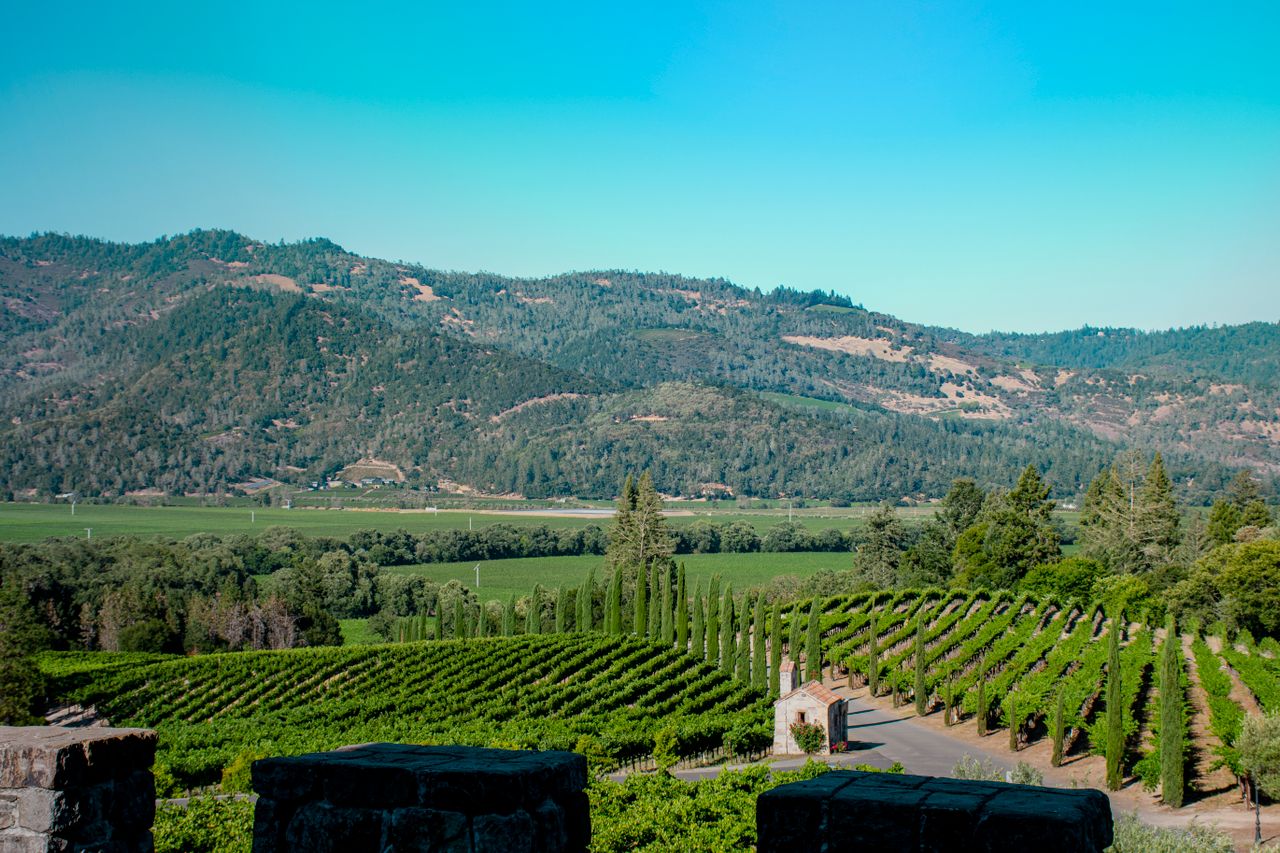
For many buyers, owning a home in California's wine country is the dream: rolling vineyards, farm-to-table dining, and a slower pace barely an hour north of San Francisco. But buying in Sonoma or Napa is different from buying almost anywhere else, and the most beautiful listing isn't always the smartest purchase. A little preparation goes a long way.
Because the region is really a patchwork of small, distinct markets, most successful buyers lean on a local specialist. Agents such as Agent Hondo, who works across Sonoma and Napa counties, can tell you how a specific town — or even a specific street — is really priced and what to watch for before you fall in love with a place.
Sonoma vs. Napa: two different buys
Though they sit side by side, the two valleys behave differently. Napa skews higher-end and second-home driven, with luxury estates and a market where a large share of sales close in cash. Sonoma County is more varied — from the accessible, family-friendly neighborhoods of Rohnert Park and Santa Rosa to premium wine towns like Healdsburg — which often makes it the better value of the two. Knowing which valley, and which town, fits your budget and lifestyle is the first real decision.
Know the true cost beyond the price tag
Wine country ownership carries costs that surprise out-of-area buyers. Wildfire risk means insurance can be expensive or hard to find, and some hillside properties end up on California's FAIR Plan. Many rural homes run on wells and septic systems that need inspection, and vineyard or estate parcels come with water rights and agricultural zoning to understand. Budget for these before you commit, not after.
Second home, investment, or primary residence?
Your goals change the math. A primary residence is about schools, commute, and community. A second home is about lifestyle and how often you'll really use it. An investment property brings rental rules and short-term-rental regulations that vary by city and county. Be clear about which one you're buying — it shapes everything from location to financing.
Why a local agent is non-negotiable here
Wine country is a collection of micro-markets, and prices can swing dramatically within a few miles. A local agent pulls recent comparable sales, flags fire and flood considerations, and knows which pockets hold value. For buyers who are more comfortable in Spanish, working with a fully bilingual local agent means the contracts, disclosures, and escrow steps are explained clearly, with nothing lost in translation.
Questions to ask before you make an offer
- What are recent comparable sales on this street, not just this ZIP code?
- Is the property in a high fire-hazard zone, and what will insurance realistically cost?
- Is it on a well and septic, and when were they last inspected?
- Are there HOA rules, water rights, or short-term-rental restrictions I should know about?
Buy with your eyes open
Wine country delivers on its promise for buyers who do their homework. Understand the differences between the valleys, budget for the true cost of ownership, and lean on someone who knows the ground. Do that, and the dream of a home among the vineyards can be a smart purchase as well as a beautiful one.