Buying a Mansion in Kenya: What to Check Before You Commit
Buying a large home is about more than finding enough bedrooms and an impressive entrance. A mansion may offer privacy, room for guests and space to work or entertain, but its size also makes maintenance, utilities and security more demanding. Photographs rarely reveal how a house performs in the rainy season, whether every room is useful or what it costs to keep the grounds in good condition. A careful buyer begins with daily needs and then tests the property against them. This guide covers layout, construction, running costs and ownership checks so you can judge a house as a place to live rather than as a collection of luxury features.
Property rules and transaction procedures may change. Confirm the current requirements with the relevant Kenyan authority and an independent qualified property lawyer before committing to a purchase.
Define the home you will actually use
Make a list of the people who will live in the house, the visitors you expect and the activities that need dedicated space. A large formal dining room may be valuable to one household and rarely used by another. The number of rooms is less important than their location, size and relationship to everyday spaces. Consider whether children, older relatives or guests can reach bedrooms and bathrooms comfortably. If stairs may become an issue later, a practical ground-floor bedroom can matter more than another elaborate reception area.
Also think about how the house supports ordinary routines. Is there a quiet place to work, enough storage near entrances and a sensible route from parking to the kitchen? Can guests use a bathroom without crossing private family areas? Would you use the garden regularly, or mainly pay to maintain it? Writing down these questions before viewings makes it easier to compare properties with very different styles.
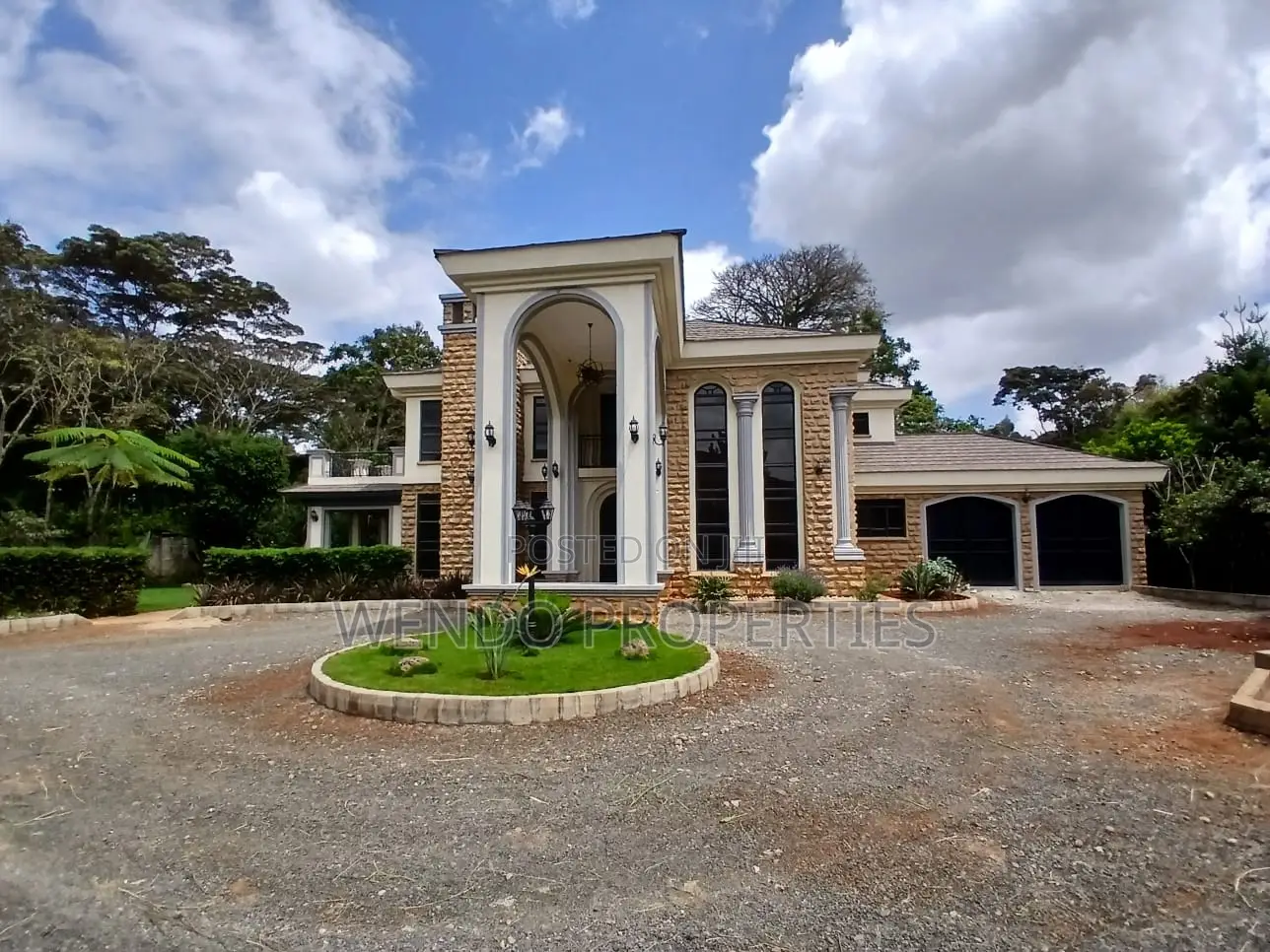
When browsing mansion listings, use the photographs and descriptions to select homes worth visiting, not to make a final judgement. Ask for an accurate floor plan, land details and a list of included fixtures. Clarify whether features such as a pool, guest quarters or backup power are functioning and part of the sale. Properties under the same label can have very different layouts and upkeep needs.
Judge the plot as carefully as the building
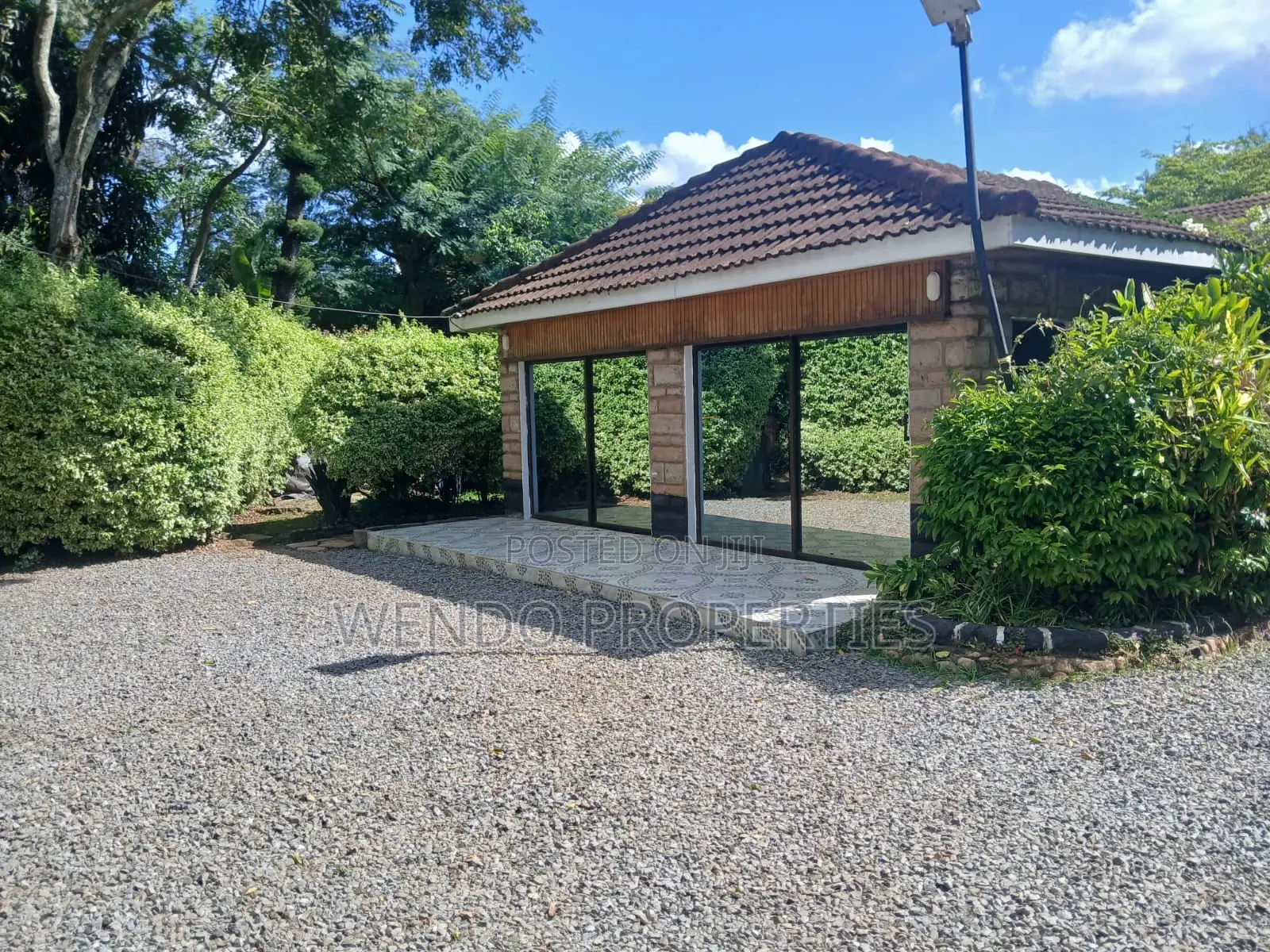
A spacious plot can offer privacy, outdoor play and room for future plans. It can also require regular landscaping, drainage work and boundary maintenance. Walk the full site rather than viewing it from a terrace. Look at slopes, low points where water might collect, retaining walls and the condition of paths. Visit after rain if possible, or ask neighbours and inspectors about drainage. Do not assume a dry garden on viewing day stays dry throughout the year.
Check where the sun reaches indoor rooms and outdoor areas. Shade can make sitting outside pleasant, while poor natural light may leave frequently used rooms gloomy. Mature trees are attractive but may affect roofs, drains or walls if poorly managed. Ask about water supply, storage and any borehole or other system advertised; establish its current condition and the legal arrangements that apply. Verify boundaries against official records with a survey professional rather than relying on a fence or a seller's description.
Inspect the structure and hidden systems
Look beyond recent paint and polished floors. Cracks, staining, musty smells, uneven floors and doors that stick can all deserve further investigation. Some are minor, while others point to movement, dampness or poor repairs. A qualified building inspector or engineer can assess the difference. Ask for any plans, approvals, warranties and records of major work. If parts of the house were extended or converted, verify what was approved and whether the current use matches the records.
Large homes often contain more plumbing, electrical circuits and equipment than a modest house. Test taps and showers in different rooms, note pressure changes and inspect for leaks under sinks and around ceilings. Have electrical systems assessed by a competent professional, especially if there is backup power, solar equipment or complex outdoor lighting. Check ventilation and signs of persistent dampness in wardrobes, bathrooms and less used rooms. Problems hidden in a seldom visited wing can become expensive after moving in.
If there is a pool, lift or other specialist installation, arrange an expert inspection of that system. Ask when it was last serviced and what ongoing care it requires. A feature should earn its place in your budget through real use. Paying for something that sits idle or cannot be safely operated is an avoidable burden.
Check whether the layout works every day
During a viewing, imagine a normal morning rather than a party. Walk from bedroom to kitchen, from parking to the entrance and from laundry to drying or storage space. Notice whether the kitchen connects sensibly to dining areas, whether bedrooms have privacy and whether noise travels through open spaces. A dramatic double-height room may feel generous but could be hard to cool, light or furnish. Room proportions and furniture placement often matter more than a headline floor area.
Consider accessibility and future needs. Door widths, slippery floors, long staircases and bathrooms without room to manoeuvre can limit who can use the home comfortably. Changes may be possible, but they should be assessed before purchase rather than assumed. If staff accommodation is included, inspect it with the same attention to safety, ventilation and dignity as the main house. The entire property is part of the living environment.
Map the cost of owning a large home
The purchase price is only the starting point. Estimate routine upkeep for roofing, painting, gardening, water systems, security, waste handling and any shared estate charges. Ask for recent utility records where available, while remembering that your household's use may differ. Reserve money for repairs discovered by inspection and for systems nearing the end of their useful life. A lower asking price does not compensate automatically for neglected maintenance.
Insurance deserves careful discussion with an appropriate provider. Confirm what the policy would cover for the building, outbuildings and special features. If the property will remain empty for periods, ask how that affects cover and security. When comparing two houses, consider the cost of bringing each one to a safe, comfortable standard. A smaller, well maintained property may fit your life better than an expansive home whose upkeep consumes time you do not want to spend.
Understand the neighbourhood at different times
A private gate does not isolate a house from its surroundings. Visit the area during a weekday, in the evening and when traffic is busy. Test the journey to work, school, healthcare and regular errands. Listen for nearby activity and observe street lighting, access roads and how water drains beyond the boundary. Ask about planned developments through appropriate local channels; do not rely solely on an agent's assurance that the setting will remain unchanged.
Privacy and security depend on more than high walls. Consider sightlines from neighbouring properties, the visibility of entrances and how deliveries and visitors are handled. Check that outdoor lighting and gates operate reliably. A house that feels secluded may also be difficult for guests or emergency services to reach, so balance quiet with practical access.
Verify the legal position before payment
Arrange an official land search to verify the registered owner and any encumbrances or restrictions, and have an independent lawyer review the title and transaction documents. The Kenyan State Department for Lands describes an official search certificate as a way to establish ownership status and registered interests. Check the survey details, plot boundaries, access rights and approvals relevant to the buildings. If anything in the physical property differs from the documents, resolve it before completion.
Confirm the identity and authority of everyone signing, and make payments through a documented process advised by your lawyer. Do not treat a listing badge, attractive photographs or a seller's confidence as a substitute for independent checks. Agree in writing what fixtures, equipment and movable items stay with the house. A final walkthrough before completion should confirm that the agreed condition and contents are still present.
Use a decision sheet after every viewing
- Fit: Which rooms will be used weekly, and which add only maintenance?
- Condition: What did the inspector find, and what work must be done before moving in?
- Site: Are boundaries, drainage, access and outdoor responsibilities clear?
- Ownership: Do official records and approvals match the property offered?
- Costs: Can the household comfortably manage utilities, repairs and specialist systems?
Compare homes using the same questions, even when one makes a stronger first impression. A second viewing with a trusted adviser can help you notice things missed during the first visit. If a seller resists reasonable inspection or document checks, treat the uncertainty as part of the decision. There will always be another appealing photograph; a sound purchase requires evidence.
The bottom line
A mansion is a good choice when its layout, site and ongoing demands suit the people who will live there. Inspect the building and its specialist systems, walk the neighbourhood, and verify ownership and boundaries through independent professionals and official records. Choose the home you can use and maintain with confidence, not merely the one that looks most impressive online.