What to Tell a Roofer When You Report a Leak at Your Property
A tenant calls about water dripping into a bedroom. By the time the property owner arrives, the rain has stopped and the ceiling looks almost dry. There is a stain, but no obvious explanation of where the water entered.
Situations like this make roof leaks difficult to investigate. The contractor needs to inspect the building, but the information collected before that visit can provide useful clues. For homeowners, landlords, and property managers, a clear report helps explain what happened without guessing at the cause.
Here is what to record when a suspected roof leak appears.
Start With the Location Inside the Building
“Water is coming through the ceiling” is a starting point, but a more precise description gives the contractor something useful to work with.
Identify the affected room, floor, and position within the room. Mention whether the stain is close to an exterior wall, chimney, skylight, or ceiling fixture. In a rental building, include the unit number and whether another occupied space sits above it.
Take one photograph showing the whole room and another showing the affected area. A close photograph of a stain alone may not explain its position.
Do not assume the opening in the roof is directly above the drip. Water can travel along building components before appearing indoors. Record the location you can see and leave the source diagnosis to the inspection.
Explain When the Water Appeared
Timing can help a roofer understand the conditions associated with the problem.
Useful observations include:
- Whether dripping began during rainfall or several hours afterward.
- Whether it happened during steady rain or only during a windy storm.
- Whether this is the first incident or a recurring problem.
- Whether the stain continued to grow after the weather cleared.
- Whether water appeared during snowmelt or in otherwise dry weather.
Describe what you observed rather than turning it into a conclusion. For example, “The ceiling started dripping during wind-driven rain” is more useful than “The flashing has failed” when nobody has inspected the flashing.
If the weather clears before the appointment, keep the visit scheduled. A dry ceiling does not establish that the underlying problem has disappeared.
Photograph Changes Without Taking Risks
A short video can show the rate of dripping more clearly than a still image. Photographs taken at different times can also show whether a stain is spreading.
Only document areas you can reach safely. Do not climb onto a wet roof, enter an unsafe attic, or move beneath a bulging ceiling to get a better picture.
If water is near electrical equipment or the ceiling is sagging, keep people away and seek urgent professional assistance. Tell the contractor about these conditions immediately rather than leaving them in an attachment.
For tenants, the reporting process should be simple: contact the designated property manager, explain the location, and send photographs from a safe position.
Share Relevant Repair and Maintenance History
Previous work can provide context, even when it seemed unrelated at the time.
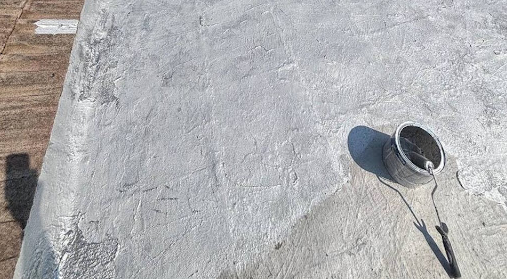
Tell the roofer about known patches, flashing repairs, roof coatings, or recent installation of equipment that required roof access. If available, provide earlier invoices, inspection photographs, and the approximate age and material of the roof.
Avoid guessing when records are incomplete. “Roof material unknown” is better than an incorrect description that affects preparation for the visit.
For properties in Central New Jersey, owners contacting Yukor Construction about same-day roof leak repair can share these details with the initial inquiry. The company assesses the source and recommends temporary or permanent repairs according to the roof’s condition. Whether permanent work can be completed that day depends on access, weather, materials, and the extent of the damage.
Make Access and Approval Arrangements Clear
A useful leak report also explains how the contractor can inspect the affected areas.
Confirm who will provide access, which rooms are involved, and whether tenants need advance notice. Mention locked gates, restricted parking, or other practical obstacles.
If the owner will be unavailable, identify who can approve the proposed work. Ask the contractor to explain any immediate protective measures separately from the permanent repair scope.
Clear arrangements help prevent an inspection from being delayed by an unanswered phone or an inaccessible room.
Keep a Record After the Visit
Ask for a written explanation of the findings, the work performed, and any recommended follow-up. Keep this alongside the original photographs and tenant report.
If water appears again, note whether it is in the same place and under similar weather conditions. Send that information to the contractor instead of assuming the new incident has the same cause.
A useful report does not need technical terminology. It needs a clear location, a timeline, safe photographs, relevant history, and access details. Those observations give the roofer a better starting point and help everyone involved understand what needs to happen next.