Tips For Designing A Beautiful Porch That Everyone Will Love
A porch makes a home's exterior visible to the world. However, since the porch is the first impression a visitor sees, it is vital to ensure that it has an attractive design that helps to let your creativity shine. No one wants to look at a boring porch. They need to be inviting and accessible to the eyes. But these beautiful structures don't just happen by themselves. This post will show you how to design a lovely porch that doesn't look like everyone else's.
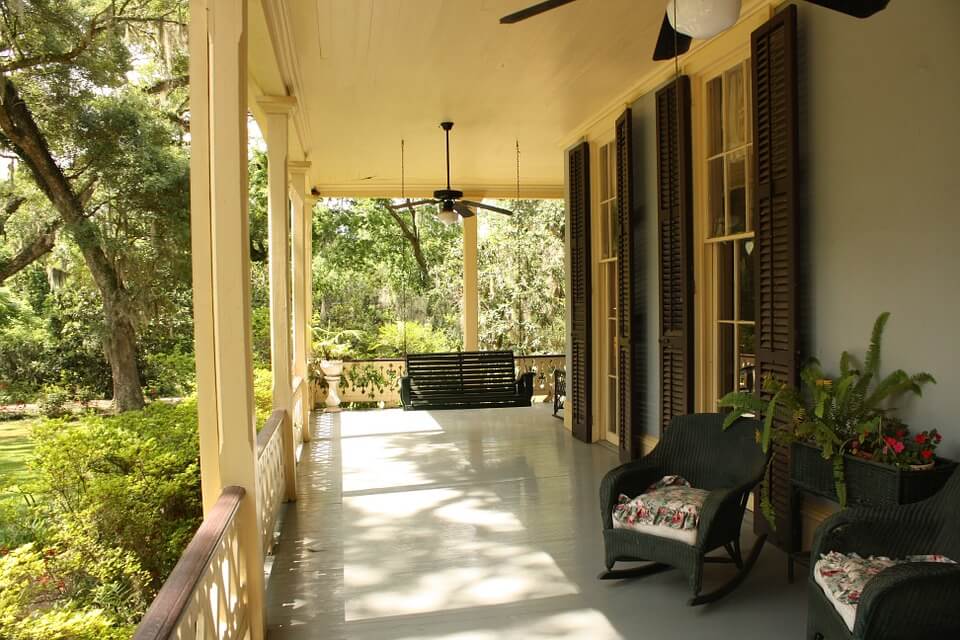
What Your Porch Says About You
A porch is a space that connects your house to the outdoors. It is one of the essential elements in the design of your home. It's great for relaxing with friends, watching the sunset, or just for watching the world go by. It is the very first thing that people will see when they visit you, so it is vital to make an effort in its design. Furthermore, if you are attempting to sell your home, you will discover that it can potentially make or break the sale. Nonetheless, even if you are not selling your home, your porch will say a lot about the type of person you are. So if your porch needs a renovation, or you want to build a new one, some tips will allow you to flex your creative muscles and make the porch of your dreams.
Consider The Size Of Your Porch
Your home's size and location will determine its scope. Therefore you should plan this stage carefully to get the right size that suits the area available. Some things to consider include:
- What you will use it for: If you plan to relax outside the front of your home with a comfy chair and table, you might not need a larger size. However, if you plan on entertaining, then you will need more space.
- How much you want it to extend into your garden: It will inevitably stretch out of the front of your house, but the question you will need to ask yourself is how much of your front yard you are willing to sacrifice.
- Will it have a roof: Some porches have smaller lips coming off the roof. While this takes up less space and allows more sunlight, it is also a disadvantage when there's bad weather.
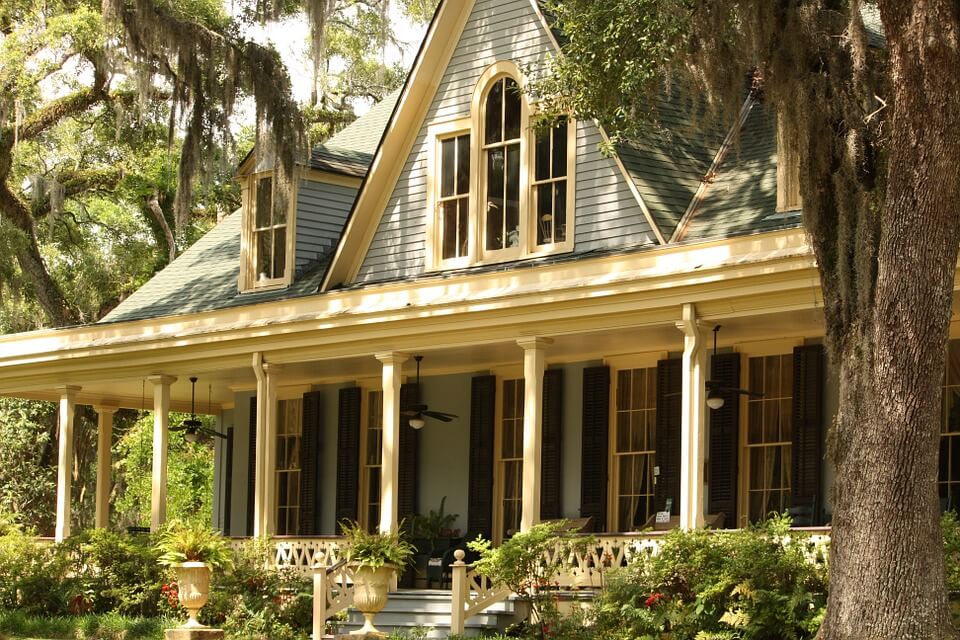
Choose Your Roof
Your porch's roof is an important aspect that you should consider carefully. As previously mentioned, there are a few options to choose from, each with upsides and downsides.
Awning
Awnings protect your home from harsh elements, and they add a lot of style to your outdoor space. Awnings are also beneficial in cold weather, especially in the winter, as they allow you to use the area even when raining. However, you must choose a reputable awning supplier who will measure your porch and fit it correctly. This is essential because if you select a poor-quality awning, it can cause more issues down the line. There are several types of awning to choose from, such as:
- Retractable
- Fixed
- Portable
For a porch, it is recommended to go for the first and second choices as they provide more stability during bad weather.
Connect The Inside With The Outside
Maintaining a good "flow" is essential if you want to keep good energy in your house. However, this relates to more than Feng Shui, and it will again depend on what you plan on using it for. For example, if you entertain a lot, having access to your kitchen or yard might be a good idea. As a result, you should design an exit that is easily accessible but also blends seamlessly into the building.
Use An Inviting Color Scheme
Using color as the basis of your design will add a unique style to the structure, just as it does inside your home. The following are just a few of the most common exterior colors:
- White: Choosing a classic, crisp white color for the exterior of your home is a great choice you can't go wrong with, especially when you add a pop of color on your front door.
- Taupe: It's easy to customize the exterior of your home with taupe paint since it comes in many colors like green and grey.
- Light gray: It is a trending exterior color that lends your home a sleek and modern appearance.
- Gray-blue: You can add more warmth and personality to your home by choosing gray-blue instead of a typical gray.
- Mint green: While still feeling full-bodied and trendy, mint green provides a distinctly calm tone.
- Pale yellow: Warm and inviting, pale yellow hues can add warmth to your house without being intrusive or making it stand out in your neighborhood.
- Burgundy: The exterior of your home will have a traditional feel to it but still have a bit of personality with this deep red.
Add Plants
You will significantly enhance your porch by adding flowerpots and other floral decorations. There is no sense in worrying about what you will use it for at this stage since plants are always a good idea. If you felt a bit more adventurous, you could substitute basic plants for exciting and colorful vegetables like chili, tomato, or bell peppers.
Choose The Right Lighting
Good lighting isn't just about accentuating your features; it can also improve the way you look and feel. If you use a combination of soft and hard light, you will be able to change the feeling you want to convey. Fairy lights wound around the porch columns can also be a beautiful feature that gives the place a sense of intrigue and wonder. Fairy lighting is excellent if you have children or grandchildren as it can make the place somewhere special to hang out together.
Designing a porch can sound like a challenging task, but you should look at it as a way to express yourself and your home. It is possible to create a great-looking porch in many ways, from choosing how you will use the porch to what color scheme you will paint it.
Frequently Asked Questions
How much does a porch addition cost?
Porch costs vary dramatically by size, materials, and complexity. A basic 8x10 ft uncovered front porch with concrete or wood deck runs $4,000-$12,000. Covered porches with roof structures cost $15,000-$35,000 for similar sizes. Screened porches add another $5,000-$15,000 for screens, frames, and door. Wraparound porches on larger homes can exceed $50,000. Costs include permits, materials (typically $30-$100 per square foot for the structure), labor, and any electrical/lighting work. Boston-area pricing typically runs at the higher end of national ranges due to labor costs and code requirements.
What's the ROI on porch improvements?
Porch improvements consistently deliver strong ROI as part of broader curb appeal investment. A new front porch or significant porch renovation typically returns 65-85% of cost at resale, while smaller cosmetic improvements (paint, lighting, decorative elements) can return 100%+ of their modest investment. The perception value often exceeds the dollar return — a well-designed porch shifts buyer impressions of the entire property and can produce 5-10% higher list prices. Avoid over-investing in porch upgrades that exceed neighborhood norms; a $50,000 wraparound on a $300,000 home rarely recovers cost.
Are porches common in Boston-area homes?
Yes, particularly on the region's heavy stock of Victorian-era, Colonial Revival, and triple-decker homes. Boston's traditional architecture often includes front porches, side porches, or wraparound porches as integral design elements. Triple-deckers specifically feature distinctive stacked porches on each floor — these are heritage features that buyers actively seek. Adding a modern porch to a traditional Boston home requires careful architectural sensitivity; period-appropriate design that matches the home's era performs significantly better than contemporary minimalist additions on traditional buildings.
What's the difference between a porch, deck, and patio?
A porch is a covered structure attached to the house, typically at the front or side entrance, with a roof and often partial walls or railings. A deck is an unroofed wooden or composite platform extending from the house, usually in the back. A patio is a ground-level paved or stone area adjacent to the home, also unroofed. Porches blur into screened porches (with mesh walls) and three-season rooms (with windows). For Boston's climate, covered porches are more practical than uncovered decks for year-round use; the roof protects against rain, snow, and harsh sun while extending usable months.
How do I winterize a porch in Boston?
Several practical steps before each Boston winter. Remove furniture cushions and lightweight decor that will weather poorly — store indoors or in a shed. Cover wood furniture or move it inside; teak and hardwood handle winter better than softwood. Clean and clear gutters above the porch to prevent ice dams. Trim back overhanging branches that could fall under snow load. For screened porches, install winter panels or storm windows in fall to convert the space to a three-season room. Add weather stripping around any porch doors leading into the house. If using the porch in winter, an outdoor-rated heater or fire pit extends usability into November and December.
Do porches require permits to build?
Yes, in nearly all Massachusetts municipalities. New construction of attached porches requires building permits, plumbing permits if water lines run to outdoor sinks, and electrical permits if you're adding lighting or outlets. Some towns also require zoning review if the porch changes the building's setback from property lines. Permit costs in Boston-area municipalities typically run $200-$800 for porch construction, plus any required inspections during construction. Check with your local building department before starting any work — building without required permits can create resale issues when buyers' attorneys discover undocumented additions during title search.
What seating works best in a small porch?
Maximize seating without overcrowding. For porches under 80 square feet, a single bench plus 1-2 chairs creates intimate seating without filling the space. Built-in benches along railings save floor space while providing more seating capacity than freestanding furniture. Folding chairs can be stored when not in use and pulled out for entertaining. Avoid bulky outdoor sofas in small spaces — they dominate the visual field and limit traffic flow. The porch swing remains a classic for good reason: it provides seating for two people in the footprint of a single chair while adding visual character to the space.
How do I maintain a wooden porch?
Annual maintenance preserves wooden porches for decades. Inspect twice yearly (spring and fall) for loose boards, splintering, raised nails, and rot at corners and edges. Power-wash gently with mild detergent each spring to remove dirt and mildew. Reseal or restain every 2-3 years depending on exposure — south-facing porches need more frequent attention than shaded ones. Replace individual damaged boards before rot spreads. Keep porch surfaces clear of standing water, fallen leaves, and ice. For Boston-area wooden porches specifically, snow shoveling should use plastic shovels rather than metal to avoid gouging the wood. Properly maintained, a quality wooden porch can last 30-50 years.