Tiny Space, Big Problem: Why Apartments Need Targeted Pest Control
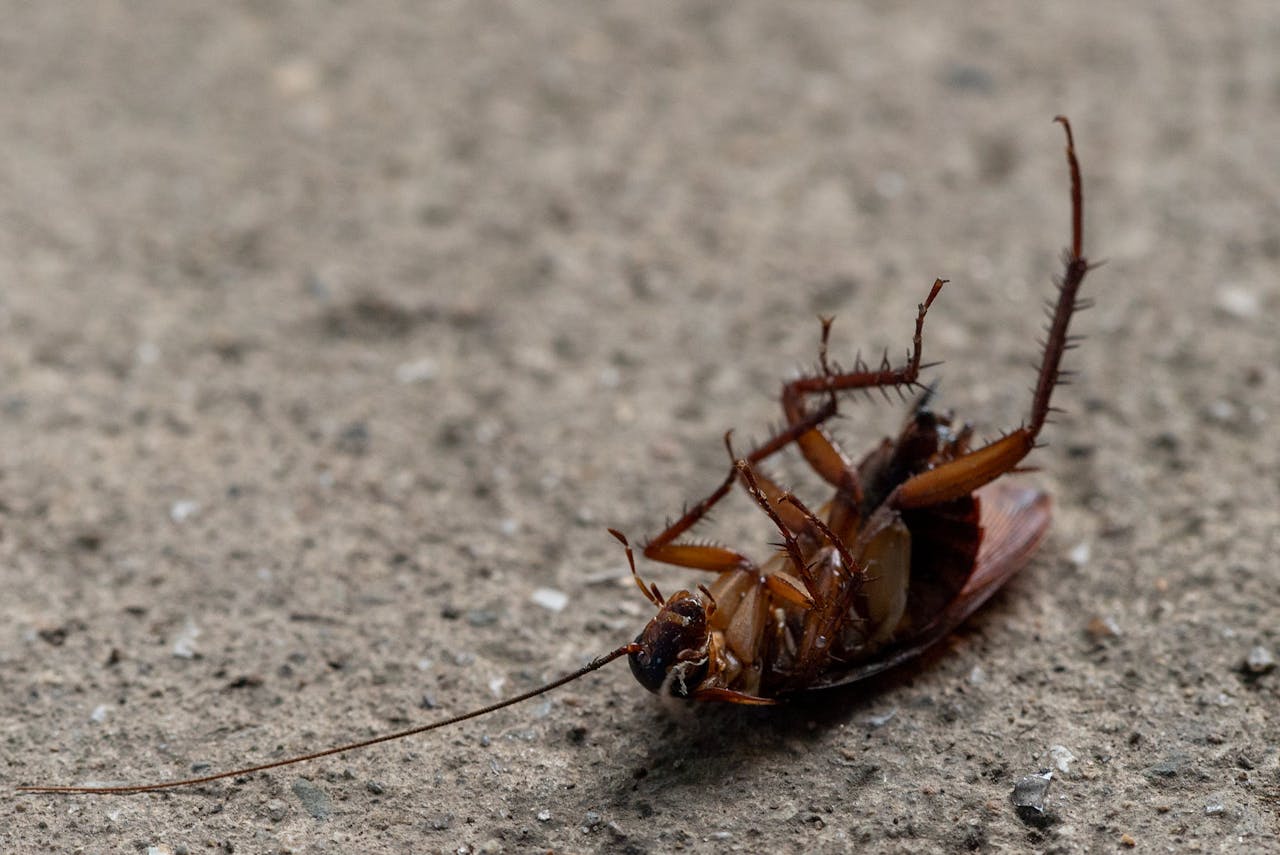
Most apartment dwellers have a checklist for what makes a great unit: good light, quiet neighbors, working AC, and—let's be honest—zero sightings of bugs. But when you're living in a compact space, it doesn't take much for pests to feel like uninvited roommates. One crumb under the couch or a forgotten drip under the sink can be all it takes to send cockroaches, ants, or worse into full colonization mode.
And the worst part? Unlike single-family homes, apartments share walls, plumbing, and airspace. That means even if you're meticulous, your neighbor's bad habits can quickly become your infestation. While some residents turn to sprays and traps, these methods rarely address the root of the issue. That's why many residents in high-density areas now rely on Spark Pest Control services that specialize in tight, interconnected living spaces.
Let's talk about why standard pest control doesn't cut it for apartments—and why a smarter, more precise approach is long overdue.
Shared Walls, Shared Problems
When you live in an apartment, you're not just sharing a parking lot or laundry room. You're sharing plumbing lines, electrical conduits, and ventilation systems. Unfortunately, pests love those too.
Here's how that creates challenges:
- Roaches can crawl through pipe chases from unit to unit.
- Ants follow scent trails that easily stretch across floors and walls.
- Bed bugs hitch rides between units via hallways, outlets, or even during furniture deliveries.
This interconnectedness means you might be doing everything right and still end up with pests. In a compact space, the margin for error is even smaller. A single overlooked crack or crumb becomes prime real estate for critters.
Why DIY Doesn't Cut It in Apartments
Sure, it's tempting to reach for a can of bug spray or lay down a few sticky traps. They might give you the satisfaction of seeing results—until the pests reappear a week later.
The main problems with DIY in apartments:
- Limited access: You can only treat what you see. In buildings, the nests or colonies are often behind walls or in shared crawl spaces.
- Chemical risks: Using sprays indoors can be risky, especially when you're dealing with confined air and curious pets or kids.
- Temporary results: You're treating the symptom, not the source. That source might be two doors down.
Professional pest control experts, especially those trained in treating multi-unit complexes, have the tools to see beyond the surface—literally. With specialized inspection gear and non-invasive treatments, they can pinpoint where pests are coming from and stop the spread.
Small Spaces, Big Opportunities (for Bugs)
Let's talk about size.
Apartments are naturally smaller than homes, which sounds like a good thing—less space for bugs, right? Not exactly.
In practice, smaller spaces mean:
- Tighter hiding spots: Pests love to squeeze behind the fridge, inside cabinets, or under dishwashers.
- Higher impact: One mouse dropping in a studio kitchen isn't just gross—it can contaminate nearly every surface.
- Faster spread: A single insect can travel the length of your apartment in seconds, making containment harder.
Professional services use micro-dusting, precision baiting, and non-residual treatments that are designed for these tight spaces. That means no damage to your floors, no lingering chemical smells, and no worries about your cat licking something toxic.
Phoenix Heat, Year-Round Pests
Arizona's desert climate doesn't offer much of a break from pest season. In fact, some bugs thrive in the heat. Scorpions, for instance, love the warmth and will head indoors to escape extreme outdoor temps. Cockroaches multiply faster in warm weather. And ants? They're basically a year-round sport in Phoenix.
Apartments in Phoenix often deal with a revolving door of pest pressure. That's why seasonal service schedules (like those used for suburban homes) usually don't work. You need flexible, ongoing solutions that account for:
- Indoor humidity from AC and showers
- Outdoor access points like patios and shared corridors
- Residents' different cleanliness standards
Professional providers often offer customized treatment schedules for apartments that balance thoroughness with discretion.
What Targeted Pest Control Actually Looks Like
Let's break down how pros treat apartments differently than homes:
1. Precision Over Power
They don't douse your place with chemicals. Instead, they use pinpoint treatments in high-risk zones: behind dishwashers, under sinks, along baseboards, and near shared utility lines.
2. Non-Invasive Tools
From thermal imaging to pheromone traps, many professionals now use detection tools that don't require opening walls or tearing up floors. Ideal for renters who can't do construction-based fixes.
3. Neighbor Coordination
In many complexes, pest control is only effective when multiple units are treated at once. Reputable companies will coordinate with property managers or offer packages that make building-wide treatment easier to manage.
4. Eco-Safe Options
Many residents care about what goes into their air. Professionals often use pet-safe, people-safe formulas that still pack a punch against pests.
The Role of Design in Prevention
Believe it or not, your apartment's layout can actually help—or hurt—your pest situation.
Helpful design features:
- Sealed baseboards and cabinetry
- Integrated trash and compost areas
- Closed HVAC systems
- Solid surface flooring (no carpeted kitchens, please)
When design isn't on your side, targeted pest control becomes even more essential. If your unit has open shelving, exposed vents, or older cabinetry, those are prime pest pathways.
Landlords are starting to realize that pest control isn't just about spraying—it's about designing and maintaining smarter spaces. And tenants can advocate for better prevention by documenting problems and requesting professional follow-up.
What to Look for in a Good Apartment Pest Control Service
Not all pest control is created equal. Here's what apartment dwellers should expect from a quality provider:
- Clear communication: They explain what's being used and where—and they don't make you guess.
- Minimal disruption: Treatment should fit around your schedule and shouldn't require moving out.
- Ongoing monitoring: Smart providers install monitors and do follow-up visits to make sure pests are gone for good.
- Experience in multi-unit housing: Make sure they've worked with apartments before—not just single-family homes.
When to Call the Pros
Here's your sign:
If you've seen any of the following, it's time to bring in experts:
- Droppings or grease marks
- Hollow sounds in walls
- Strange pet behavior (they often notice pests before you do)
- A musty or oily smell
- Any live pest during daylight (most hide during the day, so visible ones often mean a bigger problem)
It's always better to call early. Prevention costs less and takes less time than remediation.
Final Thoughts: Living Well in Close Quarters
Living in an apartment doesn't mean settling for pests. In fact, your compact, curated space deserves better. Professional pest control isn't just a fix—it's part of your overall wellness. It protects your food, your sleep, and your sanity. Plus, it gives you peace of mind knowing your space is truly your own—no crawling roommates allowed.
Precision matters. Especially when you've only got 800 square feet and a very low tolerance for bugs.
Frequently Asked Questions About Apartment Pest Control
Why do apartments need targeted pest control?
Apartments share walls, plumbing, ventilation systems, electrical conduits, and other pathways that can allow pests to move between units. Targeted pest control addresses these interconnected pathways instead of treating only the visible pests inside one apartment.
Why can pests spread quickly in apartment buildings?
Pests can move through pipe chases, utility spaces, hallways, outlets, ventilation areas, and other shared building pathways. This means an infestation can spread between units even when an individual resident maintains a clean apartment.
Why doesn't DIY pest control always work in apartments?
DIY sprays and traps generally address the pests that are visible inside a unit but may not reach nests, colonies, or pests located behind walls and in shared building spaces. This can result in temporary improvement followed by another infestation.
What pest control methods are useful in small apartments?
Professional pest control providers may use precision baiting, targeted dusting, monitoring devices, traps, and other treatments designed for confined spaces. The appropriate method depends on the pest, location, building, and infestation.
When should apartment residents call a pest control professional?
Residents should consider contacting a professional when they notice droppings, grease marks, unusual odors, hollow sounds in walls, unusual pet behavior, repeated pest sightings, or live pests during daylight hours.
Should multiple apartments be treated for a pest infestation?
In some apartment buildings, treating multiple units may be necessary because pests can travel between connected spaces. A professional pest control provider can inspect the situation and recommend whether neighboring or affected units should also be treated.