How Renters and Apartment Dwellers Use Off-Site Self Storage When Space Runs Short
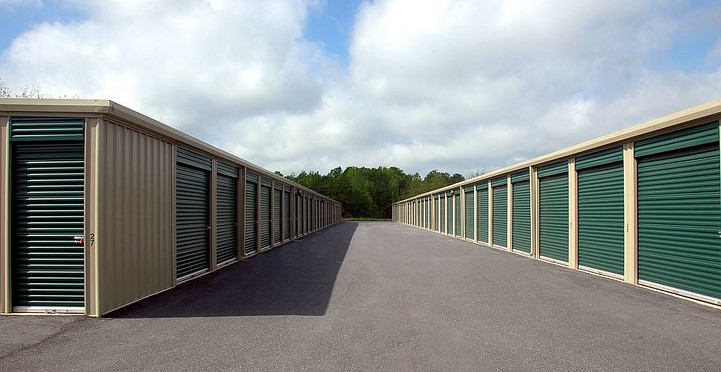
Apartment living has many advantages, but generous storage is rarely one of them. Closets fill quickly, there is no garage or basement to absorb the overflow, and the belongings that do not fit end up stacked in corners, under beds, and anywhere else they can be wedged. For renters facing this squeeze, moving to a larger, more expensive place is the obvious but costly solution. Off-site self storage offers a quieter alternative: a way to reclaim living space without paying for more of it every month. Understanding how renters actually use storage helps clarify whether it makes sense for your own situation.
The Particular Space Problem of Renting
Renters face storage constraints that homeowners often do not. Apartments are designed to maximize living space, which frequently means minimal storage, and unlike owners, renters cannot build shelving into the garage, finish a basement, or add a shed. The space you have is the space you get.
This creates a recurring problem, especially as life accumulates belongings. Seasonal items, sports and hobby gear, furniture that does not fit the current place, sentimental possessions, and things kept for a future need all compete for the same limited square footage. The result is a living space that feels smaller and more cluttered than it needs to be, not because the renter owns too much in absolute terms, but because the apartment simply was not built to hold it all. Off-site storage addresses exactly this mismatch.
The Common Ways Renters Use Storage
Renters turn to self storage for a handful of recurring reasons, and recognizing them helps clarify whether it fits your situation. The most common is simply overflow: moving seasonal items, occasional-use gear, and rarely needed possessions out of the apartment to free up daily living space. Winter equipment in summer, holiday decorations most of the year, and camping or sports gear between seasons are classic examples.
Storage also bridges transitions. Renters between leases, downsizing to a smaller unit, moving in with a partner and merging two households, or traveling for an extended period all use storage to hold belongings during an in-between period. Students storing possessions over a summer break are another familiar case. In each of these situations, the need is temporary but real, and a storage unit provides flexible space for exactly as long as it is needed. A facility such as Top Storage gives renters and apartment dwellers a place to keep belongings securely off-site, turning an overstuffed apartment back into comfortable living space and providing a flexible solution during moves and transitions.
Weighing the Cost Against the Alternative
The instinctive objection to self storage is the monthly cost, but that cost deserves to be weighed against the realistic alternative rather than against zero. For a renter feeling squeezed, the alternative is usually moving to a larger apartment, and the math there is often eye-opening.
The difference in monthly rent between a smaller apartment and a larger one is frequently far greater than the cost of a modest storage unit. A renter who moves to a bigger place purely to gain storage space may pay a substantial premium every month, whereas a storage unit provides the extra space at a fraction of that ongoing cost. For belongings that do not need to be accessed daily, paying to store them off-site is very often the more economical choice than paying to house them in prime living space. Framing the decision this way, storage versus a larger lease, tends to make the value clear.
Choosing and Using Storage Wisely
Getting the most from self storage comes down to a few sensible practices. Choosing the right unit size avoids paying for space you do not use, and many facilities can advise on what size suits your belongings. Considering location matters too: a unit closer to home costs a little more in rent, potentially, but far less in the hassle of accessing it, while a more distant one can save money for items you rarely need.
How you pack and organize the unit affects how useful it is. Labeling boxes, keeping an inventory, and placing frequently needed items near the front turn a storage unit from a black hole into an accessible extension of your home. For belongings with any sensitivity to temperature or humidity, climate-controlled units are worth considering. And security features, from surveillance to gated access, are worth checking, since the whole point is keeping possessions safe. Used thoughtfully, a storage unit becomes a genuine extension of a renter's living space rather than just a place things disappear into.
Reclaiming Space Without Moving
For renters and apartment dwellers, the space crunch is a real and recurring frustration, but moving to a larger, pricier place is not the only answer. Off-site self storage offers a flexible, often more economical way to reclaim living space, whether the need is ongoing overflow or a temporary transition.
The renters who benefit most are those who approach it deliberately: identifying what genuinely does not need to live in the apartment, weighing the modest storage cost against the far larger cost of more square footage, and using the unit in an organized, accessible way. Done well, self storage turns a cramped apartment back into a comfortable home, and does it for a fraction of what upsizing would cost, which for many renters is exactly the practical solution the space problem calls for.