Modern Decorating Ideas Every Mom Should Know in 2026
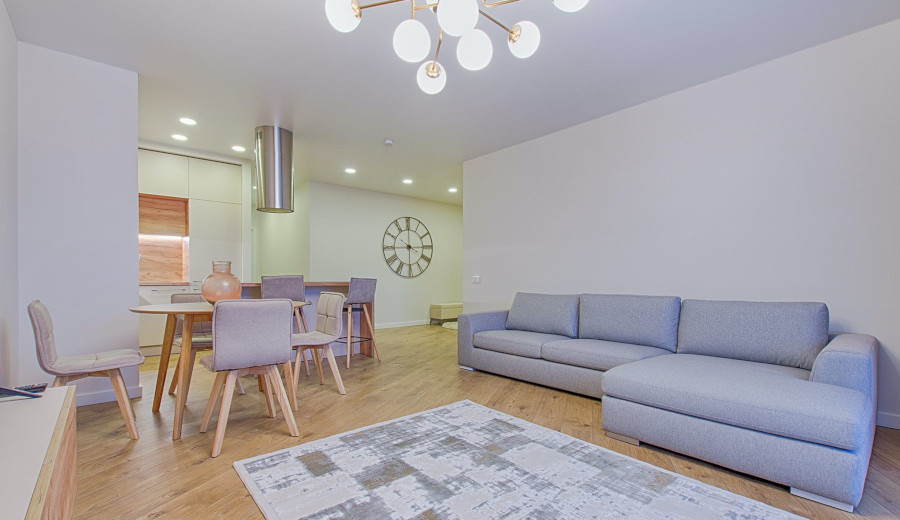
As a mom, it can feel difficult to keep the house in shape and up to date with the trends when you have little ones running around tearing up the place. Another common problem that moms have to consider when decorating is money. However, you have come to the right place as we go through three affordable and modern decorating ideas that every mom should know about in 2026.
1. Bunk Beds Are Back In Fashion
Bunk beds used to be a very simple affair, just one bed above the other in a metallic frame. However, the game has changed over the years and bunk beds are becoming more creative, stylish, and practical than ever. Recent design trends emphasize the latest bunk bed innovations, including the highly practical storage bunk bed option. The beds are not directly on top of each other but rather they are next to each other with one being elevated. This has a less suffocating feel and the structure allows for built-in storage space. Let's face it, when it comes to kids the more storage the better because they seem to accumulate endless toys, clothes, books, and more!
2. Create An Under The Staircase Bookshelf
The space under your stairs is just bursting with unused potential! You can turn this into a stylish and modern shelving/storage space. This goes down a treat with the kids as you can turn the area into a little reading nook and give it Harry Potter vibes if your children are fans! Aside from its adding a vintage/rustic aesthetic, it is also extremely practical for you as you can store everyday items that you might need and have easy access to them. Also, you can add little trinkets in this space to give your home more character. This can help the house feel a bit more organized and neater in general, something that is not to be taken for granted when you have kids!
3. Doors And Dividers
If you are working with a smaller space then decorating with pop-up doors and dividers is a great way to maximize space. For example, if you have two children who are sharing one room, to help give them both a sense of privacy you can put a divider in the middle of the room to make it feel like two rooms. The great thing about dividers is that they can fold them back when they want to whole space and then put the divider back when it suits them. It is easy to use and child-friendly as you can purchase lightweight options. Aside from the practicality of a space divider, you can also purchase some very trendy and modern options to help improve the appeal of your home. What's more, dividers can come in a range of prices, so there is something for every budget!
So there you have it, three great modern decorating ideas that every mom needs to know about! Regardless of how big or small your budget is, you can make each of these fun ideas work in your home. By following the ideas stated above, you can transform your home into a better-looking and more functional place to live in.
Frequently Asked Questions
What modern decorating ideas work best for families with young kids?
Family-friendly modern decorating prioritizes durability, easy cleaning, and dual-purpose pieces over high-style minimalism. Top categories: performance fabrics (Crypton, Sunbrella) that resist stains, modular sectionals that can be reconfigured as kids grow, washable rugs in patterns that hide spills, storage ottomans that double as seating and toy boxes, and quality bunk beds with integrated storage drawers. Avoid pieces with sharp corners at child height, glass tables in main living areas, and pristine white furniture during the under-5 years. The goal is rooms that look intentionally designed but can absorb daily family use without panic over every spill or mark.
Are bunk beds still popular in 2026?
More popular than ever, and increasingly sophisticated. Current bunk bed trends in 2026: L-shaped configurations with built-in desks (perfect for school-age kids needing study space), staggered designs where the lower bed extends past the upper for hidden storage cubbies, twin-over-full configurations that accommodate sleepovers, and modular systems that convert from bunk to twin beds as children grow. Quality bunk beds run $800-$3,000+ depending on materials and customization. The investment makes sense when you factor years of use across multiple children or extended family visits.
How can I make small spaces feel larger with kids around?
Several proven techniques work even with active kids. First: vertical storage frees floor space — wall-mounted shelves above eye level, tall narrow bookcases, and ceiling-mounted rails for toys keep play space open at child level. Second: choose furniture with hidden storage to reduce visual clutter (ottomans, beds with under-storage, console tables with drawers). Third: define zones within rooms using rugs and lighting rather than walls — a play zone defined by a soft rug feels distinct from the adult living area without taking square footage. Fourth: implement a strict toy rotation system; storing 70% of toys out of sight and rotating quarterly keeps the visible space uncluttered while maintaining variety for kids.
What budget-friendly decorating tips work for parents?
Several high-impact moves under $500 transform family spaces. Fresh paint in family-friendly colors ($100-$200 for one room) is the cheapest dramatic improvement. Slipcovers ($80-$200) revive worn furniture without replacement. IKEA hacks (customizing basic furniture with new hardware, paint, or trim) deliver designer looks at one-third the cost. Estate sales and Facebook Marketplace yield quality solid-wood furniture at 60-80% off retail. Update lighting fixtures ($50-$200 each) for major room transformation. Resist the urge to buy everything new at once — building a coherent family home over 12-18 months produces better results than rushed mass purchases.
How do I balance style and practicality in a kids' room?
The 80/20 rule works well: 80% neutral, durable, timeless foundation (walls, large furniture, flooring); 20% kid-specific accents that can change as they grow (bedding, art, accent pillows, removable wall decals). This approach lets you update the room's character every 2-3 years as your child's interests shift without replacing major pieces. Choose foundation furniture in scale-appropriate sizes — kids genuinely use child-sized chairs and tables that adults find too small. Hide truly ugly necessities (oversized toy storage, plastic bins) in closets or behind cabinet doors rather than displaying them as "storage solutions."
Are room dividers a good investment for shared bedrooms?
Yes, for several common situations. When two children share a bedroom, even soft divisions (a bookshelf, curtain, or folding screen) help each child develop a sense of personal space and territory. When kids have significantly different ages or sleep schedules, dividers reduce conflict over lighting and noise. Room dividers also work for creating defined play areas, study spaces, or guest sleeping areas within larger rooms. Budget options: tension rod with curtains ($30-$60), bookshelf used as divider ($100-$300), folding screens ($80-$300), permanent half-wall installations ($500-$2,000+). The right choice depends on whether you need temporary or permanent separation.
What's the best way to childproof modern decor?
Modern minimalist decor and childproofing aren't opposites — they're complementary when approached thoughtfully. Anchor all tall furniture (dressers, bookshelves, TVs) to walls regardless of perceived stability; furniture tip-overs cause thousands of preventable injuries annually. Choose rounded-corner furniture over sharp-edged contemporary pieces during young-child years. Install cabinet locks on lower cabinets containing anything dangerous. Use cordless window treatments rather than corded blinds. Skip glass coffee tables and replace with upholstered ottomans during toddler years. The aesthetic compromise is smaller than parents fear, and the safety benefit is substantial.
How do Boston-area family apartments compare for kid-friendly design?
Boston's older housing stock presents specific challenges and opportunities for family design. Triple-deckers offer reasonable bedroom counts (typically 2-3 bedrooms) but small individual room sizes that make storage furniture and bunk beds particularly valuable. Pre-war buildings often have plaster walls (better soundproofing than newer construction with drywall) but make wall anchoring trickier. Built-ins are common in older Boston homes — leverage existing window seats, alcoves, and architectural features rather than fighting them. The 2026 family-friendly rental market in Boston has tightened significantly; if you find a family-suitable unit, prioritize lease terms over decorating ambitions until you're settled. Family-oriented neighborhoods like West Roxbury, Roslindale, Brookline, and outer-Cambridge offer better family infrastructure than Back Bay or Beacon Hill.