Beautiful Outdoor Lighting Ideas for Every Style of Home in Omaha
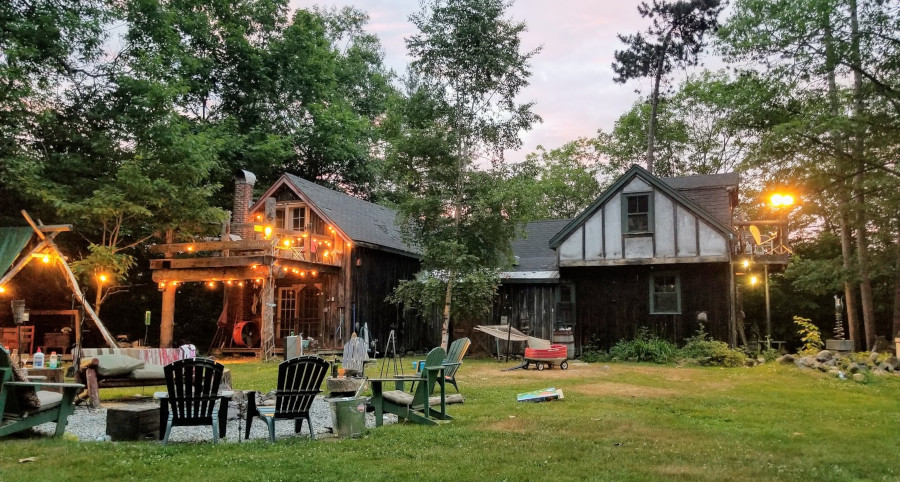
Omaha's neighborhoods span everything from sleek modern construction to classic Colonials, charming bungalows, and countless variations in between. Beautiful outdoor lighting ideas for every style of home in Omaha aren't one-size-fits-all. Your home's fixtures, their placement, and light temperature all hinge on what you're actually working with architecturally.
Here are six outdoor lighting ideas matched to the most common home styles across Omaha and its surrounding communities.
Warm Uplighting for Craftsman and Bungalow Homes
Texture is everything in Craftsman and bungalow design. Exposed wood beams. Stone columns. Tapered porch pillars. These are the details that define the style, and the right lighting makes them shine after dark. When planning landscape lighting in Omaha, many professionals recommend warm-white uplighting (around 2700K) for this style because it mimics natural firelight and preserves the earthy tones of wood and brick. Place ground-mounted uplights at the base of each porch column and angle them to graze the surface rather than flood it. Grazing light creates shadow and depth, which is what makes textured materials look three-dimensional instead of flat.
For the front path, low-voltage path lights with a warm amber glow beat out cooler blue-tinted LEDs, which can feel harsh against natural materials. Keep fixture styles in sync with the architecture. Oil-rubbed bronze or dark copper finishes suit the handmade feel of a Craftsman better than brushed nickel. If there are mature trees on the property, uplighting a single large oak or elm from below adds real drama; minimal hardware required.
Clean Lines and Precision for Modern and Contemporary Homes
Modern homes live and die by geometry. Flat rooflines. Large windows. Horizontal planes. Minimal ornamentation. Every light fixture becomes a design element in its own right. Recessed in-ground lights flush with concrete or pavers work perfectly along walkways because they vanish into the surface during daylight hours. Wall-mounted exterior sconces with a narrow, focused beam fit the architecture far better than traditional lanterns.
Color temperature matters tremendously on contemporary homes. A cooler white around 3000K to 3500K reads as crisp and intentional, matching the aesthetic. Steer clear of fixtures with decorative curves or antique finishes; they'll work against the architecture rather than support it. Tree uplighting on modern properties tends to succeed with a single, tight spotlight rather than a wide floodlight. The goal is precision; nothing else. And if the home has a water feature or a clean concrete retaining wall, graze that surface with light from a low angle to create a dramatic visual effect. Smart lighting controls fit naturally into modern homes, too, since they let you dial in scenes from your phone and adjust intensity without ever touching a switch.
Layered Lanterns and Symmetry for Traditional and Colonial Homes
Traditional and Colonial homes are built around symmetry, and outdoor lighting should honor that. Paired coach lanterns flanking the garage or front door are the starting point; a well-lit Colonial goes much further. Uplighting the front facade in an even, balanced pattern gives the home a stately presence at night. Focus on the columns, shutters, and any architectural molding that frames the windows; these details disappear in the dark without intentional light placement.
Warm white is still the right call here, but you can go slightly brighter than you would on a Craftsman since the formal proportions of a Colonial read better with a more prominent light level. Path lighting for a traditional home works well with a classic post-top style; something with a clear glass globe or a simple black metal frame. Skip path lights that are too modern or geometric; they'll look out of place against brick and white columns. If the home has a mature tree-lined entry or a circular drive, string the tree canopies with subtle warm lights for a formal yet welcoming effect. Downlighting from mature trees creates a moonlight effect on the lawn too, and that suits the traditional style beautifully.
Spread Lights and Low Profiles for Ranch-Style Homes
Ranch homes sit low and wide. Lighting that goes too tall or too vertical looks awkward against the horizontal roofline. Spread lights, fixtures that cast a wide, low mushroom-shaped pool of light, are the natural fit for ranch-style properties. Place them in garden beds along the front of the house to softly illuminate both the plantings and the facade without drawing the eye upward.
Ranch homes often feature large front yards and long driveways, so path lighting plays a bigger role here than in other styles. Use consistent, evenly spaced path lights to create a clean line from the street to the front door. Keep the fixture height low, around 12 to 18 inches, so the visual weight stays grounded. For the facade itself, downlights mounted just below the roofline and aimed down the front of the home give it dimension without conflicting with that flat profile. Ranch homes with wood or board-and-batten siding respond well to grazing light from the side; it pulls out the texture in the material beautifully. If the home has a covered patio or pergola on the side or back, bistro string lights overhead create a warm, inviting outdoor living space that feels like a natural extension of the interior.
Gothic Detail and Drama for Tudor and Victorian Homes
Tudor and Victorian homes practically beg for dramatic lighting. The steep gabled rooflines, decorative half-timbering, ornate trim, and arched entryways of these styles demand to be seen. Start by uplighting the gables themselves. A narrow-beam spotlight on a steep gable creates a strong graphic shape in the night sky when aimed carefully. For the half-timbering common on Tudor exteriors, grazing light from below or the side pulls out the contrast between the dark wood and the light plaster infill.
Victorian homes often feature wraparound porches or deep verandas; pendant lanterns or flush-mount ceiling fixtures in a dark bronze or matte black finish suit those spaces without looking out of place. Since these homes tend to have ornate iron railings or carved wood details, focus at least a couple of fixtures directly on those elements. The goal is to let the architecture tell its story after dark. Path lighting for Tudors and Victorians works well with a slightly more decorative post-top fixture, something with a lantern shape that fits the era. Don't over-light these homes; the drama comes from contrast between lit and unlit areas, not from flooding the entire facade.
Roofline and Architectural Accents for New Construction Homes
New construction in Omaha's growing suburbs tends to feature clean facades, tall two-story fronts, and a mix of stone and siding materials. These homes have flexibility on their side. Lighting can be planned before landscaping is fully in place, which makes it easier to run conduit cleanly and position fixtures exactly where the design calls for them. Permanent roofline lighting is one of the most popular additions for new builds right now. It's a system mounted along the roofline that stays invisible during the day but can display full color or warm white light at night through a smartphone app. For holidays, events, or just general ambiance, it replaces the need to hang temporary lights ever again.
Beyond the roofline, new construction homes often have tall stone or brick accent walls on the front facade. Those surfaces respond extremely well to uplighting. A pair of in-ground fixtures aimed up a two-story stone wall creates a focal point that anchors the front of the house. For landscaping beds that are still young, use stakes or adjustable heads so fixture position can shift as plants mature. And for the driveway and path, in-ground or surface-mount lights flush with the concrete keep the aesthetic clean and modern, which matches the new-build style perfectly.
Conclusion
Beautiful outdoor lighting ideas for every style of home in Omaha start with understanding the architecture first. The right color temperature, fixture style, and light placement differ dramatically for a ranch home versus a Victorian, and getting those details right is what separates a thoughtful design from a generic install. Whether you're working with a century-old Craftsman or a brand-new two-story build, the goal stays the same: light the features that make your home worth looking at.