Lawn Weed Control That Protects Rental Curb Appeal
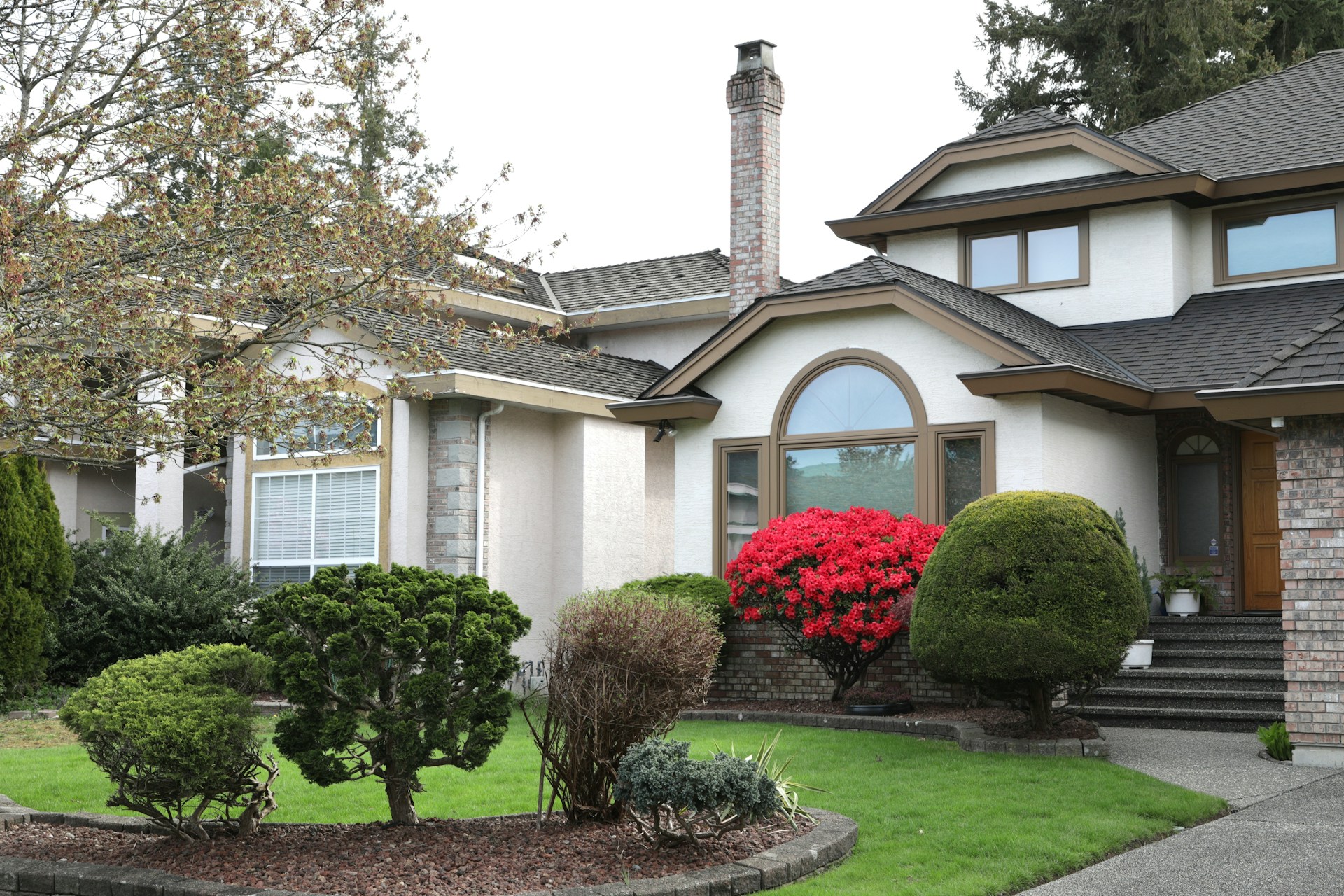
Renters and buyers form a verdict in seconds. Studies of home shoppers put that snap judgment at about 7 seconds, and the front lawn carries most of the weight. A patchy strip of clover, crabgrass, and dandelion tells a prospect that the owner cuts corners, even when the kitchen inside is spotless.
For Atlanta property owners, that first look is hard to fake. Warm-season grass turns thin and weedy fast in Georgia heat, and a neglected yard can sit on the market for weeks longer than a tidy one. Steady weed control services in Atlanta keep the green even and the edges sharp, which protects both rent rolls and resale price. A clean lawn is the lowest-cost upgrade most landlords own.
Why a Weedy Lawn Costs You Money
A messy yard is not just cosmetic. Real estate agents routinely tie curb appeal to faster sales, and several surveys credit a well-kept exterior with adding 5 to 10 percent to a home's perceived worth. The lawn is one of many property improvements that lift visual appeal, and it shows from the curb first. That figure can swing tens of thousands of dollars on a single property.
Weeds also crowd out the grass you paid to grow. A mature dandelion can shed hundreds of seeds in one season, so a few skipped treatments turn into a full takeover within a year. The longer the gap, the harder the recovery.
Three problems show up most on rental yards:
- Crabgrass spreads in thin, sunny patches and chokes new growth.
- Dandelion and clover signal low feeding and poor soil health.
- Bare spots invite weeds back the moment treatment stops.
Build a Simple Weed Control Routine
Good results come from timing, not luck. The single most useful step is a pre-emergent treatment in early spring, which stops crabgrass seeds before they sprout. Miss that window and you spend the summer chasing weeds that already won.
Post-emergent products handle the weeds that slip through. A university weed guide stresses matching the right product to each weed, since a broadleaf spray does little against grassy invaders. Reading the weed first saves both time and cost.
A workable yearly plan looks like this:
- Late winter: apply pre-emergent before soil hits 55 degrees.
- Spring: spot-treat broadleaf weeds as they appear.
- Summer: watch thin areas and treat fast.
- Fall: apply a second pre-emergent for winter weeds.
Most lawns need 4 to 6 treatments a year to stay clean. Spacing them 6 to 8 weeks apart keeps coverage steady without overspending. A professional schedule removes the guesswork for owners who manage several units.
Feed the Grass So Weeds Lose
Weed control and feeding work as a pair. Thick, healthy turf shades the soil and starves weed seeds of the light they need, so fertilization does half the job for you. Skip the feeding and even perfect spraying leaves gaps that weeds refill.
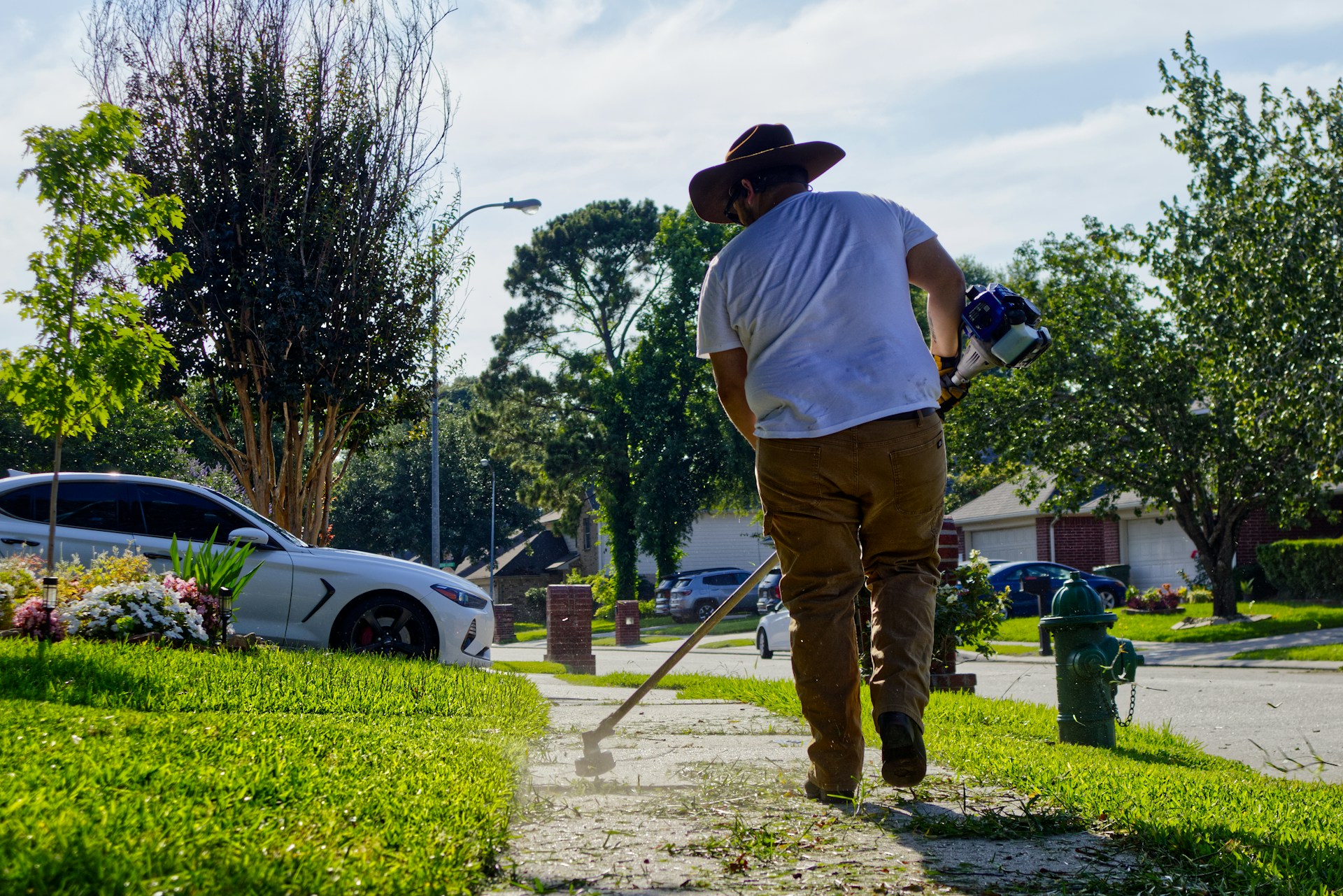
Timing matters here too. Warm-season grasses common around Atlanta, such as Bermuda and Zoysia, take their main feeding from late spring through summer when they grow fastest. A soil test every 2 to 3 years shows exactly what the lawn lacks, so you avoid wasting product.
Smart feeding also protects the property beyond the lawn line. The EPA notes that over-applied fertilizer washes into storm drains, and its yard care guidance urges owners to apply the right amount at the right time. For a rental, that means a sharper lawn and lower runoff risk in one move.
Keep these feeding habits in mind:
- Test the soil before you guess at a product.
- Match the grass type to its peak growing season.
- Water in granular feed so it reaches the roots.
Make the Lawn Pay Off at Lease or Sale
A clean lawn earns its keep at turnover. Listings with strong curb appeal draw more showings, and faster leasing cuts the vacancy days that quietly drain returns. One open weekend with a green, weed-free yard can close a unit that sat empty for a month.
For owners selling, the math is similar. A tidy exterior supports the asking price and reduces the small concessions buyers ask for when a yard looks tired. The lawn belongs on any list of house fixes to make before listing. Spending a few hundred dollars a year on treatment is cheaper than dropping the price by thousands.
The payoff stacks up across a portfolio:
- Faster leasing trims vacancy weeks between tenants.
- Sharper listing photos lift click-through on rental sites.
- Steady upkeep avoids the expensive full reset later.
Treat the lawn as part of the building, not an afterthought. A standing weed control and feeding plan keeps every unit showing well, year after year.
Frequently Asked Questions
How Often Should a Rental Lawn Be Treated for Weeds?
Most lawns need 4 to 6 treatments a year to stay clean and even. A pre-emergent in late winter blocks crabgrass, then spot treatments handle broadleaf weeds through the warm months. Space the visits 6 to 8 weeks apart so coverage never lapses. For owners with several units, a set schedule beats reacting after weeds appear.
Does Weed Control Really Affect Property Value?
Yes. Curb appeal shapes the first impression, and a green, weed-free lawn signals a property that is cared for. Agents often tie a tidy exterior to 5 to 10 percent in perceived value and to faster sales. For a rental, that shows up as quicker leasing and fewer vacant weeks. The yearly cost of treatment is small next to the price drop a tired yard can trigger at sale.
Is Weed Control Enough, or Do I Need Fertilization Too?
Both work together. Weed control removes the invaders, while feeding builds thick turf that shades the soil and blocks new weeds from taking hold. Skipping the feed leaves bare patches that weeds refill within weeks. A soil test every 2 to 3 years shows what the grass needs so you do not overspend.
When Is the Best Time to Start Treatment In Atlanta?
Late winter is the strongest starting point, before soil temperatures reach 55 degrees and crabgrass seeds wake up. Begin there with a pre-emergent, then follow the warm-season grass through its peak growth from late spring into summer. Starting early sets up the whole year, while a late start means playing catch-up. If the yard is already weedy, a professional can build a recovery plan to reset it across one full season.