How Backup Power Can Add Value to Residential Properties
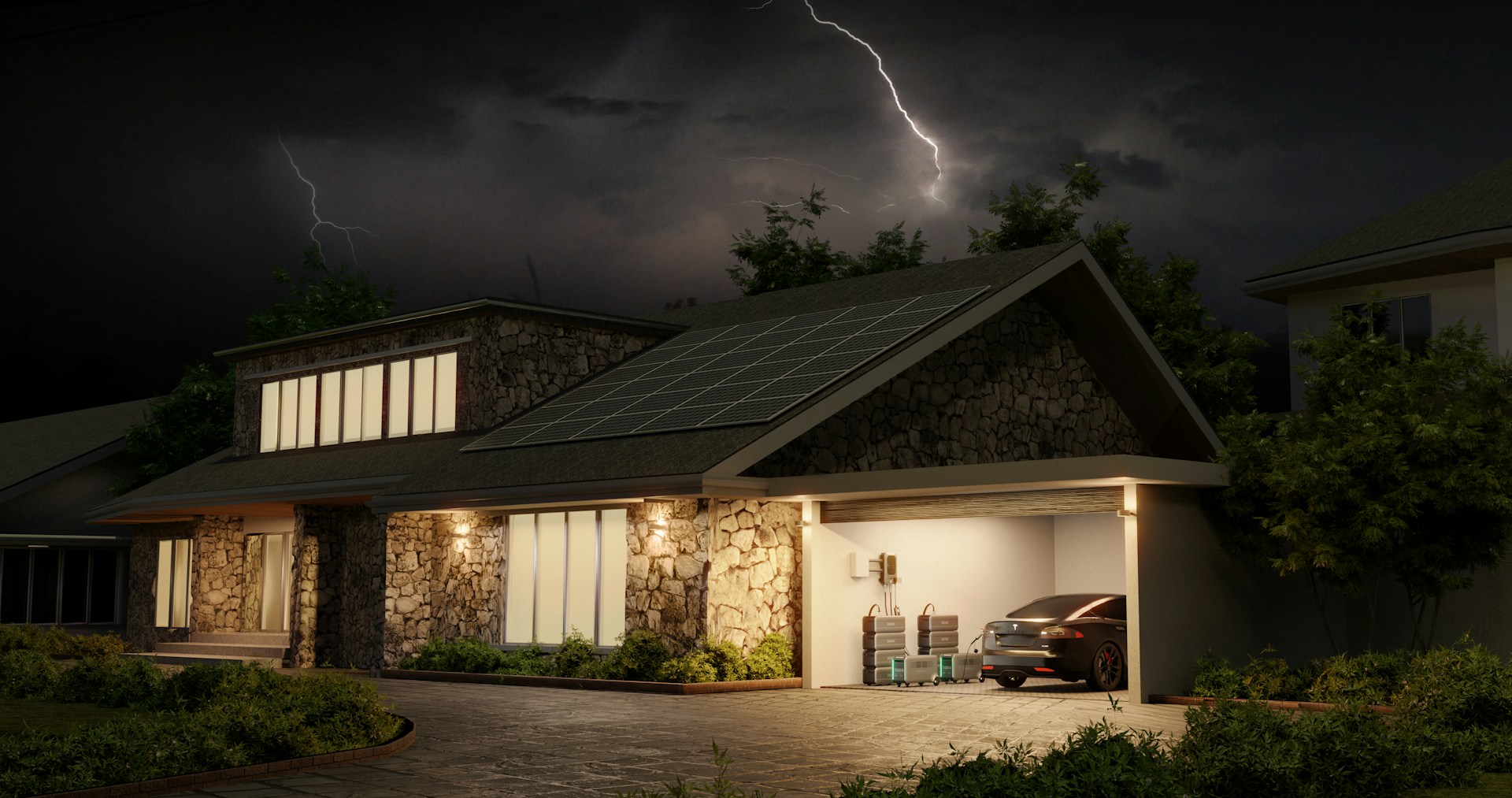
Homeowners and property owners are always looking for upgrades that improve comfort, safety, and long-term value. Some improvements are easy to see, such as renovated kitchens, updated flooring, or new landscaping. Others are less visible but just as important when they are needed.
Backup power is one of those upgrades. A whole-home generator may not be the first feature a buyer notices during a showing, but it can become one of the most valuable features during a power outage.
Power Reliability Matters to Modern Homeowners
Today's homes depend on electricity for almost everything. Heating, cooling, refrigeration, lighting, security systems, internet service, appliances, and garage doors all require power. When the grid goes down, daily routines can stop almost immediately.
For homeowners who work remotely, have children doing schoolwork online, own rental properties, or rely on medical equipment, power reliability can be especially important. Even a short outage can create inconvenience, while a longer outage can affect safety, comfort, and property protection.
This is one reason more homeowners are looking at backup power as a practical home improvement.
Why Whole-House Generators Appeal to Property Owners
A whole-house generator provides a more permanent solution than a small portable unit. It is installed outside the home and connected to the home's electrical system. When an outage occurs, the generator can supply power to selected circuits or the full home, depending on the setup.
For property owners, whole-house generators can help support essential home systems when utility power is unavailable.
Backup Power Can Protect Daily Comfort
One of the most immediate benefits of a generator is comfort. During summer outages, air conditioning may be one of the most important systems in the home. During colder months, heating may be essential to prevent discomfort or damage.
A generator can also help keep refrigerators and freezers running, reducing the risk of spoiled food. It can keep lights on, allow family members to charge devices, and help maintain internet access during an outage.
These benefits can be especially useful for property owners managing occupied homes, rental properties, or homes in areas where storms and outages are common.
It Can Help Protect the Property
Power outages can also create property risks. Security systems may shut down, sump pumps may stop working, and humidity-sensitive areas may become harder to control. In some cases, a lack of power can contribute to water damage, temperature issues, or security concerns.
A standby generator can help reduce those risks by keeping important systems operational. While it cannot prevent every issue, it adds another layer of protection during emergencies.
A Feature Buyers May Appreciate
In competitive real estate markets, practical home upgrades can help a property stand out. Buyers often appreciate features that make a home feel safer, more functional, and better prepared for unexpected events.
A whole-home generator can be especially attractive in areas that experience storms, heat waves, grid interruptions, or seasonal weather risks. It shows that the property has been prepared with long-term livability in mind.
For rental property owners, backup power may also help reduce tenant disruption during outages, which can support a better living experience.
Planning the Installation Properly
Generator installation should not be treated as a last-minute project. Homeowners need to consider generator size, fuel source, placement, transfer switch requirements, local codes, and long-term maintenance.
Working with experienced professionals helps ensure the system is installed safely and prepared for real-world use. It also helps homeowners choose a generator that matches their actual power needs instead of guessing.
Final Thoughts
Backup power is both a comfort upgrade and a practical investment. It supports daily life during outages, helps protect essential home systems, and can make a property more appealing to future buyers.
For homeowners and property owners thinking about long-term value, a whole-house generator is worth considering as part of a broader home improvement and property protection plan.