What Boston Multifamily Owners Should Know About Accelerated Depreciation
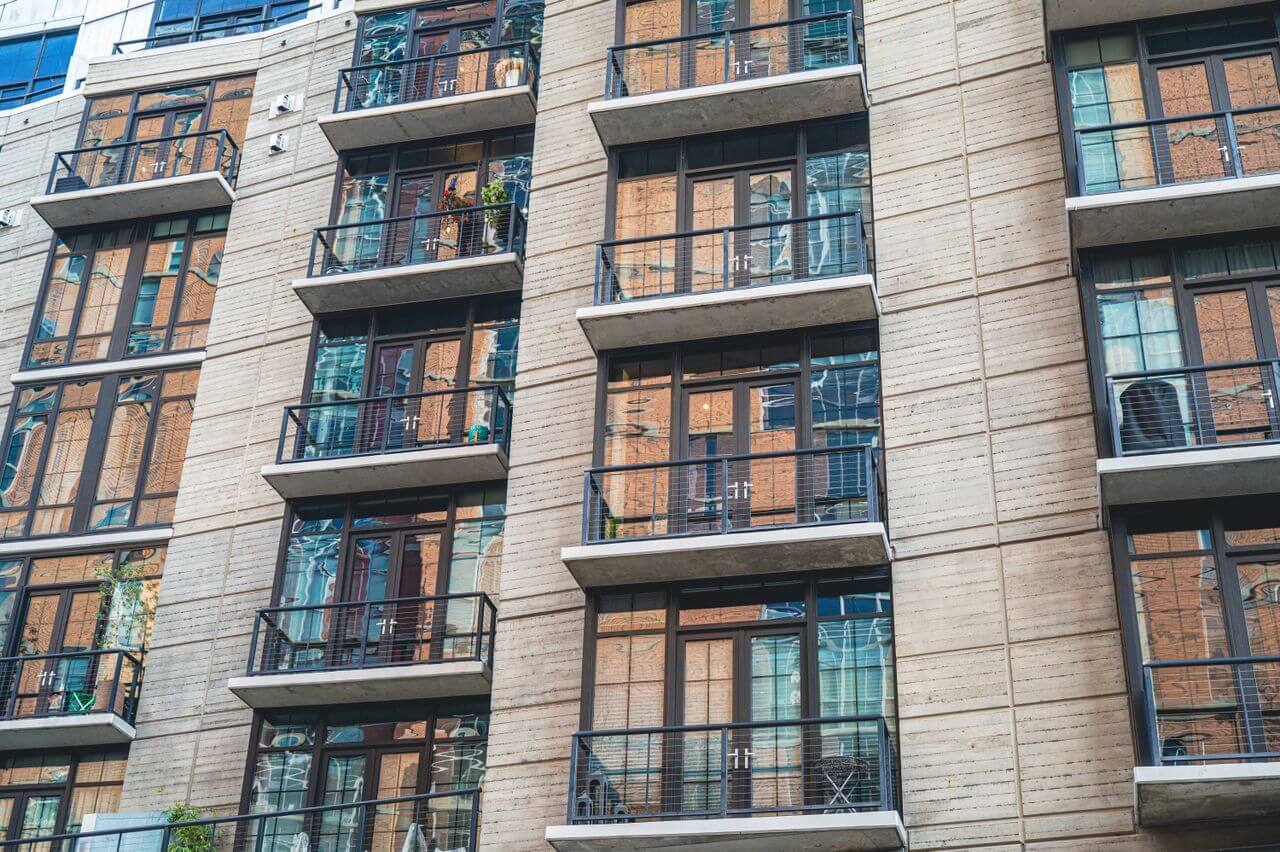
Owning a multifamily property in Boston comes with plenty of financial decisions. And there is one particular financial aspect that you really need to look at, which is accelerated depreciation. This is where something called cost segregation comes in. With this, you may be able to claim certain deductions sooner and make better use of your property's value.
If you own an apartment building in Boston, you probably spend plenty of time thinking about rental income, maintenance and property improvements. But have you looked closely at how depreciation could affect your annual tax bill?
Understanding Accelerated Depreciation For Boston Properties
When you own a rental property, you can generally deduct its depreciable cost over a set period. For residential rental buildings, the standard federal depreciation period is 27.5 years. However, not everything within your property necessarily has to follow that same schedule.
This is where cost segregation comes in.
A cost segregation study takes a closer look at your building and separates eligible assets into different depreciation categories. Depending on the property's features, certain items may qualify for completely different recovery periods.
Think about an apartment building you own in, for example, South Boston. Alongside the main structure, you might have appliances, carpeting, specialized electrical components and outdoor improvements. These assets may have different depreciation treatments, depending on their use and classification.
The idea is to identify which parts of your investment could qualify for faster deductions. Instead of automatically treating everything as part of the building, you get a more detailed breakdown of the property's components.
If you're researching cost segregation firms investors and CPAs compare, take a closer look at their multifamily experience. You want a provider that understands property classifications, prepares detailed supporting reports and can explain how the findings relate to your tax planning.
How Cost Segregation Can Change Your Tax Planning
One thing worth understanding is that accelerated depreciation doesn't give you extra deductions. You're generally bringing forward deductions that would otherwise be spread across a longer period.
For example, let's say you've purchased a Boston apartment building with a substantial depreciable basis. A cost segregation study could identify qualifying assets that belong on shorter depreciation schedules. Some parts could depreciate over 5 years, others over 15.
Federally, components with a recovery period of 20 years or less may qualify for 100% bonus depreciation if the property was acquired after January 19, 2025 (IRS Notice 2026-11). Keep state taxes in mind, though: Massachusetts doesn’t follow federal bonus depreciation, so your first-year deduction on your Massachusetts return may be smaller than on your federal return. Your CPA will need to track both schedules.
Of course, your own financial circumstances matter. Your taxable income, ownership structure and plans for the property should all be part of the conversation. If you're thinking about purchasing another multifamily building, for instance, understanding how depreciation affects your cash flow could help you plan your next move.
Working With Cost Segregation Professionals
Finding the right specialist is just as important as understanding the potential tax benefits. Boston has a varied multifamily property market, with everything from older brick apartment buildings to modern residential developments. Your provider needs to understand how construction differences and property improvements affect depreciation classifications.
When looking into cost segregation companies for investors and CPAs, start by checking their experience with properties similar to yours. Ask whether they use engineering-based studies and what kind of documentation you'll receive when the work is complete.
It's also worth finding out how the provider works with your accountant. Your CPA will need to review the study and use the findings when preparing your tax return. Having both professionals communicate clearly can make the process much easier.
Before signing an agreement, ask about the study fee, expected turnaround time, information requirements and report format.
Boston Property Improvements And Depreciation Opportunities
Have you renovated your rental property recently? If so, those improvements may be worth reviewing as part of your cost segregation plans.
Many Boston multifamily buildings have been updated over the years. You might have replaced kitchen cabinets, installed new flooring or improved outdoor spaces. Each project adds to your property's history and may introduce assets that deserve a closer look.
Keep every contractor invoice, construction plan, equipment receipt and renovation record. These documents give your cost segregation specialist useful information about what was installed, how much it cost and when the work was completed.
Planning Ahead For Your Next Tax Filing
Before moving ahead, review the estimated deductions, study fees and potential cash flow benefits together. This will help you decide whether the numbers make sense for your particular property.
Finally, accelerated depreciation is worth exploring if you own multifamily real estate in Boston. By keeping good records, understanding your property's components and working with experienced professionals, you can make more informed tax decisions and plan confidently for the years ahead.