Investors Keep Saving The Real Estate Market!
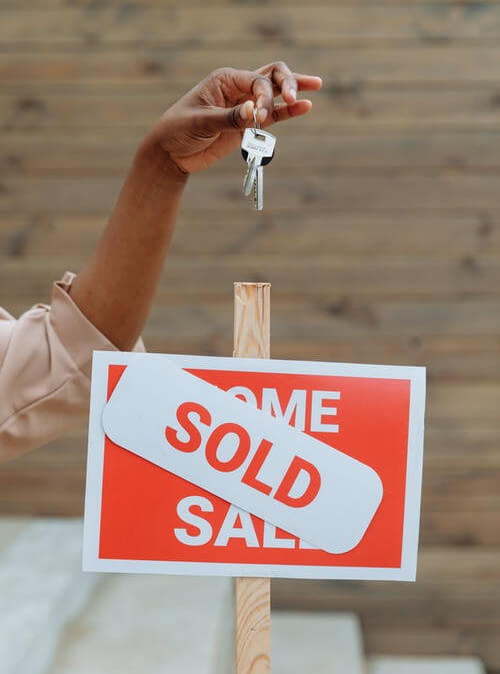
You would have noticed "for sale" signs driving in Jacksonville some time ago. But now, when driving through the most popular neighborhoods in Jacksonville, it's very common to see a lot of "under contract" or "sold" signs. This is because investors have been booming in the real estate market in Jacksonville, Florida. Even during difficult times, like the pandemic, tons of properties were sold, and they keep selling today thanks to them
Let's dive in and learn about how this happened.
Experiencing Hard Times
At some point, everyone thought that things would turn difficult with the pandemic. And it did. It was a challenge for everyone. People were experiencing a new way of living. They were getting back to their house because there were new cases at work.
Schools were closed, so kids were receiving online classes from home too. Everyone was staying at home. This was when everything started. People weren't looking for small condos or apartments anymore. They were looking for a new home with fewer restrictions and more outdoor spaces. And what a better place than Jacksonville for this.
The Jacksonville real estate market in Florida has experienced high growth. Of course, this doesn't mean that Jacksonville hasn't gone through a challenge in the wake of Covid-19. Still, it definitely got better results than other cities around Florida.
Real Estate Market Overview
The local housing market has kept healthy home values and maintained the demand with no significant changes. The economy seems to have come better than other cities after the introduction of the pandemic.
Local unemployment levels didn't increase as high as other areas, which helped to quickly return to normalcy. While Covid-19 has been an obstacle for most cities, the largest city in Florida has excelled in the market. This wouldn't have happened without the help of investors.
Investors that buy houses in Jacksonville, FL, have helped save the real estate market by paying cash. However, people needed more outdoor living areas asap, and here is when they came in.
Investing in Jacksonville, FL
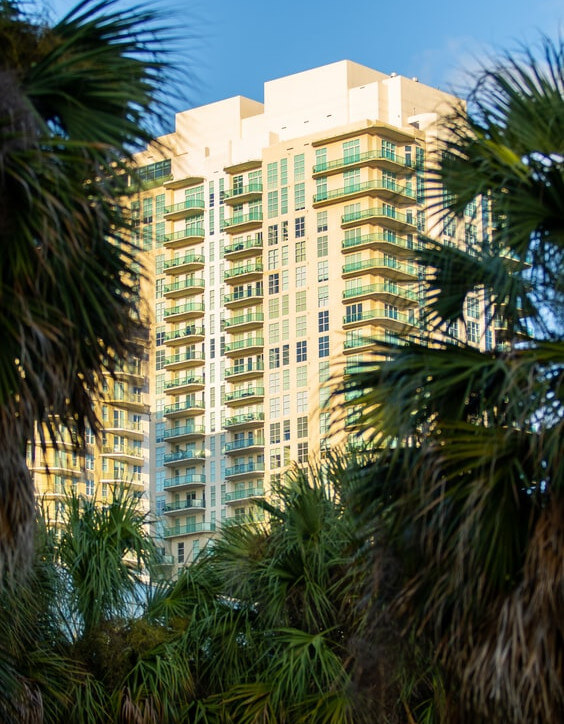
Many factors are considered when determining the high growth of the real estate market in this city. However, one of the reasons why the Real Estate Market is recovering so quickly is legit home buying companies in Jacksonville, FL.
Investors in Jacksonville are offering cash to buy houses as-is, and the best part is that the transaction is done in less than seven days. Because of the straightforward sales process they have, people could buy a new house faster to relocate.
Home buying companies are also generating employment. Some of the properties they bought are needing some repairs, some of them very simple, but others would take more time. They are always looking for people to help with remodeling so they could start renting it.
The fact of investing in real estate is also based on the quality of life Jacksonville offers. It is known for having a warm to a mild climate and many beaches.
The cost of living in Jacksonville also contributes to the quality of life. Investors and renters are feeling attracted by these factors. Being the largest city, Jacksonville has affordable prices and tax benefits. Along with its beauty, it makes this city a great place to own real estate.
Frequently Asked Questions
How has the Jacksonville real estate market changed since the pandemic boom?
The pandemic-era surge described in this article cooled meaningfully after 2022 as mortgage rates climbed and remote-work relocation patterns stabilized. Jacksonville remained one of the more active Florida markets through 2026, with cash buyer activity still meaningful but less dominant than during the 2020-2022 boom. Median sale prices appreciated significantly through the boom years then leveled with the broader Florida market correction. Investors remain active but with more disciplined offer pricing reflecting higher carrying costs and slower flip turnarounds than the pandemic era allowed.
Are cash buyers still active in slower real estate markets?
Yes, though with adjusted strategies. Cash buyers have become more selective about deal quality and more aggressive on offer discounts when traditional buyer financing tightens. Higher interest rates make their cash advantage more valuable (they're not competing against financed buyers who can borrow cheaply) but also mean their own holding costs rose if they renovate and resell. Net effect: cash buyers are still active in most markets including Jacksonville and Boston, but their offers reflect tighter underwriting than during the easy-money 2020-2021 period.
What makes Jacksonville attractive to real estate investors compared to other markets?
Several enduring factors. Jacksonville offers relatively low cost of living for a large Florida metro (cheaper than Miami, Tampa, or Orlando). The state has no personal income tax, which attracts retirees and remote workers. Climate appeals to mainland transplants from cold-weather states. Property prices, while up significantly since 2020, remain accessible compared to coastal Florida markets. Strong rental demand from a mix of young professionals, military personnel, and retirees provides predictable cash flow on rental properties. These structural factors keep investor interest steady even as market cycles shift.
How does the Boston cash buyer market compare to Jacksonville?
The two markets attract different cash buyer profiles. Jacksonville draws large-volume investors, out-of-state flipping operations, and institutional buyers focused on rental conversion. Boston cash buyers tend to be smaller local operations or individual investors focused on triple-deckers, condo conversions, and inherited properties — the absolute dollar amounts are much larger but the deal volume per buyer is smaller. Both markets discount cash offers roughly 10-25% from traditional sale prices, but Boston's higher absolute property values mean the dollar gap is more consequential per transaction.
Why do cash buyers prefer some markets over others?
Three main factors drive market selection. First: spread economics — cash buyers need a clear gap between purchase price and renovated resale or rental value, which depends on local construction costs, labor availability, and end-buyer demand. Second: deal flow — they need consistent inventory of properties at acquisition prices, which favors markets with high turnover, aging housing stock, or active estate sales. Third: regulatory friction — some markets have permit processes, rental regulations, or transfer taxes that compress investor margins. Florida markets including Jacksonville score well on all three; Boston scores moderately well but with higher regulatory complexity.
What is a typical cash sale timeline in Florida versus Massachusetts?
Florida cash sales can close in 7-14 days when both sides move quickly — Florida's title and closing infrastructure is well-developed and streamlined. Massachusetts cash sales typically take 14-21 days because attorney-supervised closings are standard practice and the state requires several specific compliance items (smoke detector certificates, CO certificates, Title 5 septic inspection where applicable, lead paint disclosure for pre-1978 homes). The longer MA timeline isn't friction so much as built-in seller protections that are absent in Florida's faster but less-supervised process.
Should sellers consider cash buyers when the market shifts?
Yes — market shifts often improve the relative value of cash offers. When mortgage rates rise and financed buyers struggle to qualify, the pool of traditional buyers shrinks and properties sit longer. Cash buyers become more valuable because they can actually close. When markets are red-hot and homes get multiple offers, cash offers compete less effectively because financed buyers will often pay closer to market price with aggressive offers. The right move depends on local conditions when you're selling: get a current market opinion from a realtor showing what your home would likely fetch on the open market, then compare that net (after commission, closing costs, repairs, and carrying costs) to the cash offer. The cash offer wins more often in slow markets than in hot markets.
What does it mean when an article says investors are "saving" the market?
It typically means investor activity is supporting transaction volume during periods when traditional buyers are scarce or struggling — keeping the market liquid rather than letting it stall. During the pandemic, that meant cash buyers absorbing inventory when financed buyers were uncertain. In other contexts, it might mean institutional buyers acquiring foreclosure inventory or rental conversions absorbing distressed properties. The framing implies investors are helpful market participants, which is true to a point — but heavy investor activity can also crowd out owner-occupant buyers and contribute to housing affordability pressures. Most healthy markets benefit from balanced participation between investor and owner-occupant buyers rather than dominance by either.