A Property Owner's Guide to Sewer and Drain Problems
Few problems strike more dread into a property owner than a backed-up sewer. It is messy, expensive, and always seems to happen at the worst time. Yet most of it is preventable with a little knowledge.

Knowing the basics helps you act early and call the right help. A specialist like Prodigy Sewer & Drain can fix underground problems with minimal disruption, but spotting trouble first is on you. This guide covers the causes, the warning signs, and how modern repairs actually work.
What Causes Most Sewer and Drain Problems?
Most issues come down to a few usual suspects, and they show up in nearly every property sooner or later. Knowing them helps you head off trouble before it starts.
A sewer lateral is the pipe that carries wastewater from a building to the main sewer. When it clogs or cracks, everything downstream backs up. The common culprits are predictable:
- Grease. Cooking fats harden and choke the pipe.
- Roots. Tree roots invade older pipe joints.
- Wipes. So-called flushable wipes rarely break down.
- Age. Old clay or cast-iron pipes crack and collapse.
- Debris. Hair, food, and objects build up over time.
Each cause is gradual. A drain rarely fails overnight, which is exactly why the early signs matter so much. A pipe that has been draining a little slower each month is telling you something long before it stops entirely. Clay and cast-iron sewer lines can last 50 to 100 years, but the oldest are now well past their prime.
What Are the Warning Signs?
Your plumbing usually warns you before it fails. Catching these signs early saves thousands in emergency repairs.
Watch for slow drains, gurgling toilets, bad odors, and water backing up in unexpected places. For homes on a septic system, the EPA SepticSmart program is a good reference for spotting trouble early. Several fixtures draining slowly at once is a classic sign of a main-line problem, not a simple clog.
The lesson is to act on small signs. A single slow drain is cheap to fix; a full backup, with its cleanup and water damage, is not. Catching the problem a month early can be the difference between a service call and a major repair.
How Do You Prevent Clogs and Backups?
Prevention is far cheaper than repair. A few simple habits protect your pipes for years.
Never pour grease down the drain, avoid flushing wipes, and use drain screens to catch hair and food. Preventing small leaks matters too, and the EPA Fix a Leak resources are a practical starting point. For older properties, a camera inspection every 1 to 2 years catches root intrusion before it becomes a rupture.
What Is Trenchless Repair?
When a pipe does fail, the fix has come a long way. You no longer need to dig up the whole yard.
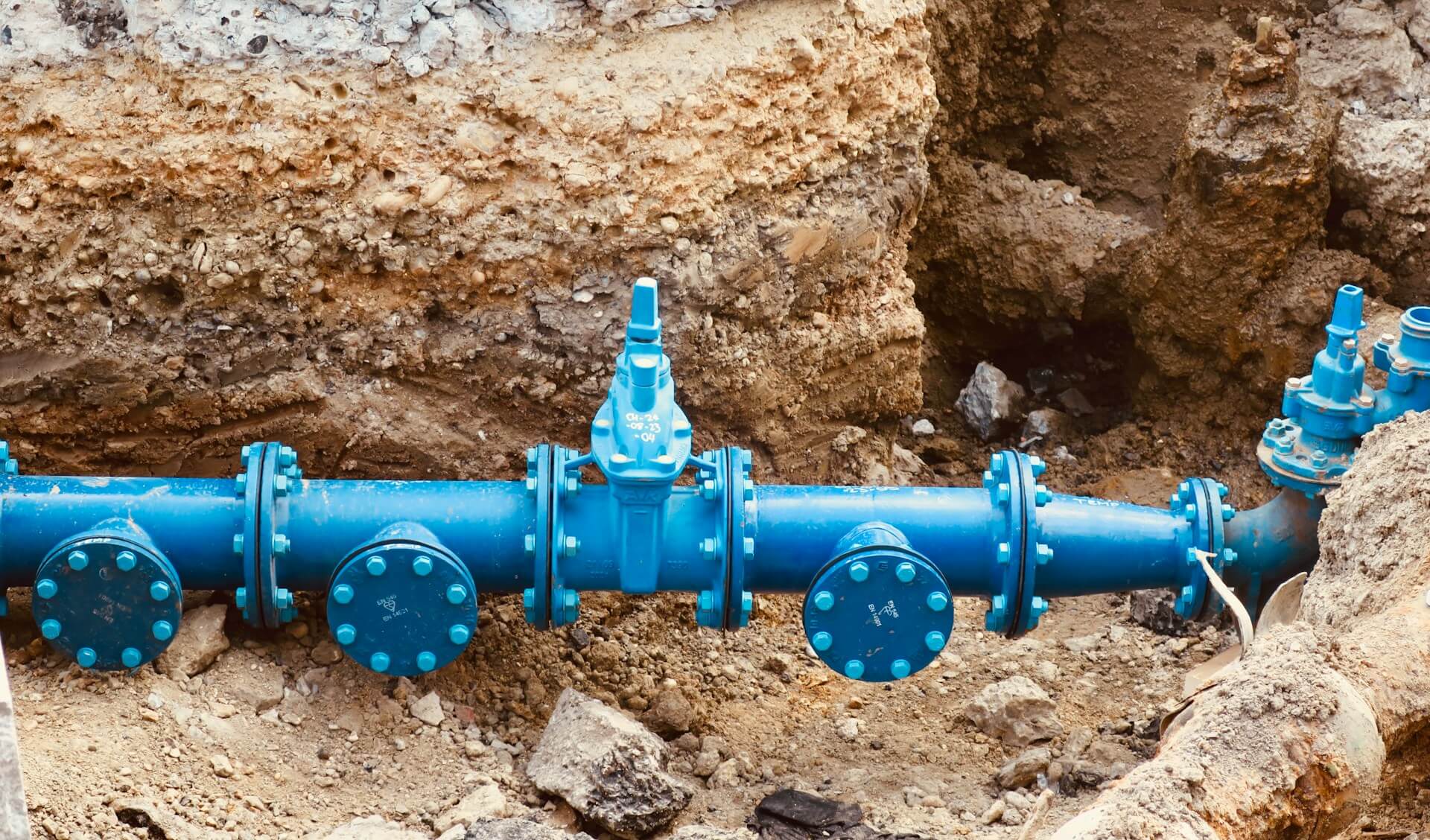
Trenchless repair fixes underground pipes with little or no digging. One popular method is cured-in-place pipe, or CIPP, which inserts a resin liner to rebuild a pipe from the inside. The rise of lateral CIPP lining means many repairs now avoid tearing up driveways and landscaping entirely.
| Repair factor | Traditional dig | Trenchless |
|---|---|---|
| Digging | Extensive excavation | Little or none |
| Time | Days | Often one day |
| Landscape damage | Significant | Minimal |
| Driveway impact | Frequent | Usually avoided |
| Disruption | High | Low |
The contrast is stark. For most lateral repairs, trenchless is faster, cleaner, and less disruptive to the property.
Does Fixing It Add Property Value?
It does, in two ways. Sound plumbing protects value and prevents a costly problem at sale time.
A functioning sewer line is invisible until it fails, and a failure during a home inspection can sink a deal. Treating it as one of the smart plumbing upgrades that protect a property is simply good ownership. Buyers pay more for a home they trust will not surprise them.
What to Remember
- Grease, roots, wipes, and pipe age cause most sewer problems.
- Slow drains, gurgling, and odors are early warning signs.
- Several slow fixtures at once suggest a main-line issue.
- Simple habits like drain screens prevent most clogs.
- Trenchless repair fixes pipes with little or no digging.
- Sound plumbing protects both safety and property value.
Stay Ahead of the Drain
Sewer and drain problems are rarely sudden; they build quietly until something gives. The owners who avoid the worst of it watch for early signs and practice simple prevention. They also call a specialist before a slow drain becomes a flooded basement. Learn the warning signs, act early, and modern trenchless methods make even a real repair far less painful than it used to be.
Frequently Asked Questions
What Are the First Signs of a Sewer Problem?
The earliest signs include slow drains throughout the home, gurgling sounds from toilets or drains, and unpleasant odors near fixtures or outside. Water backing up in a tub or floor drain when you run another fixture is a strong warning of a main-line issue. Acting on these early signs is far cheaper than waiting for a full backup.
How Can I Prevent Drain Clogs?
Simple habits do most of the work. Never pour grease down the drain, avoid flushing wipes or other non-degradable items, and fit screens to catch hair and food. For older properties with trees nearby, a periodic camera inspection can catch invading roots before they crack a pipe. Prevention is dramatically cheaper than an emergency repair.
What Is Trenchless Sewer Repair?
Trenchless repair fixes underground pipes with little or no excavation. A common method, cured-in-place pipe lining, inserts a resin sleeve that hardens into a new pipe within the old one. This avoids digging up yards, driveways, and landscaping, so repairs are usually faster, cleaner, and less disruptive than traditional dig-and-replace methods, often finishing in a single day.
Is a Sewer Line Repair Worth It Before Selling?
Usually, yes. A failing sewer line discovered during a buyer's inspection can delay or kill a sale, and buyers often demand a steep discount. Repairing it beforehand removes a major objection and signals a well-maintained home. Sound, documented plumbing is one of the quieter upgrades that protects both your asking price and the deal itself.