Grout Maintenance 101: Keeping Tile Looking New for Years
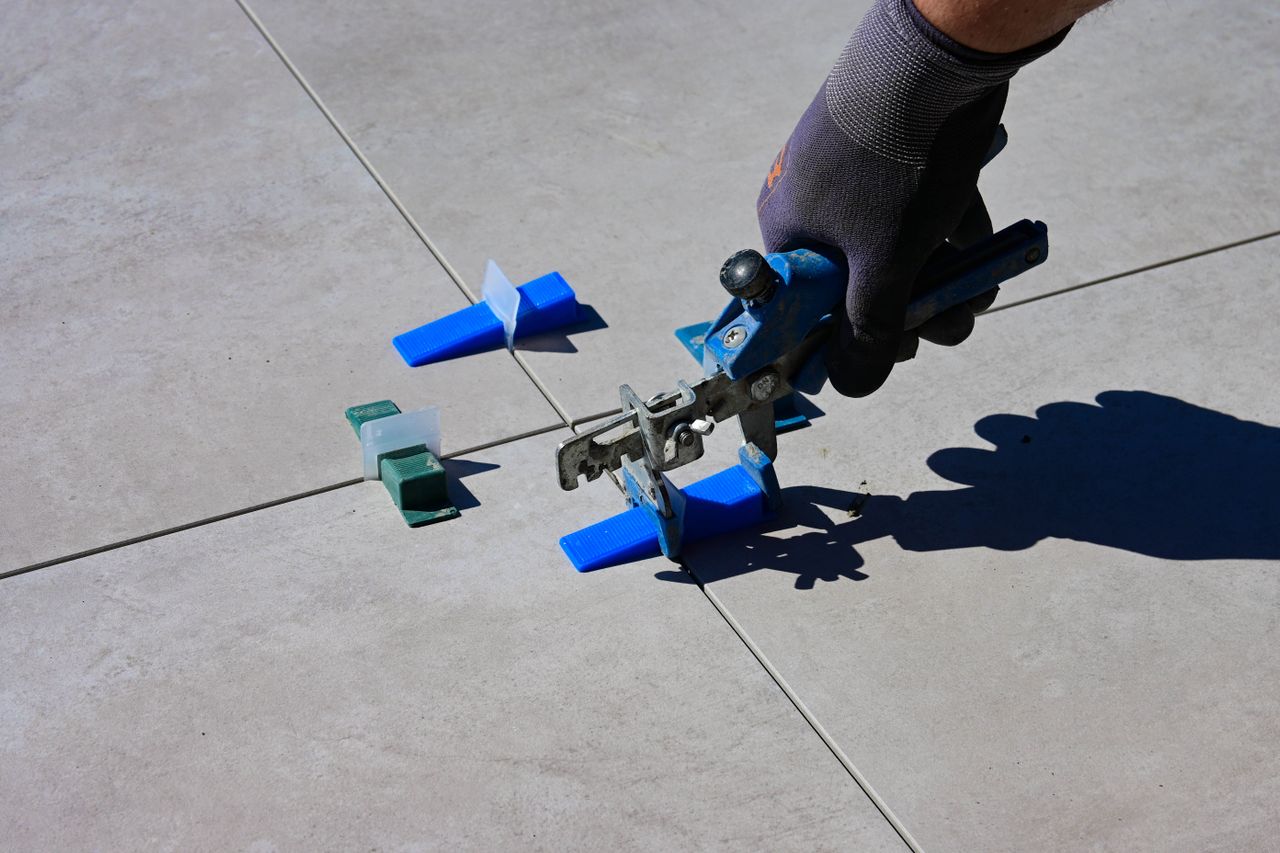
Tile flooring is a popular choice because it is durable, attractive, and easy to maintain. While many homeowners focus on cleaning the tiles themselves, grout often receives much less attention. Grout lines collect dirt, moisture, grease, and soap residue over time, making even beautiful tile surfaces appear old and neglected. Clean grout improves the overall appearance of a room and also helps protect the installation from moisture-related damage.
A consistent maintenance routine keeps grout looking fresh for many years. Regular cleaning, sealing, and quick attention to stains prevent expensive repairs while preserving the beauty of tiled floors and walls. This guide explains practical methods that anyone can follow to keep grout in excellent condition.
Daily Care Makes Every Cleaning Easier
Grout maintenance begins with simple habits that reduce dirt before it settles into the surface. Dust, sand, and debris slowly wear down grout, making it more likely to absorb stains and moisture.
If you are selecting quality tile products or learning about long-term maintenance, DS Sales Associates can provide valuable guidance on flooring materials, grout options, and care practices that suit different spaces.
Sweep or vacuum tiled floors several times each week using a soft brush attachment. Dirt left on the floor may settle into grout lines after people walk across the surface. Wipe up spills soon after they happen since liquids can soak into unsealed grout and leave permanent discoloration.
Using doormats at every entrance also reduces the amount of dirt carried indoors. These small habits save time during deep cleaning sessions and help grout stay brighter.
Quick Daily Care Checklist
| Task | Purpose |
|---|---|
| Sweep or vacuum | Removes loose dirt and grit |
| Clean spills immediately | Prevents staining |
| Shake out entrance mats | Reduces tracked-in debris |
| Wipe kitchen splashes | Stops grease buildup |
| Dry wet bathroom floors | Limits moisture exposure |
Pick Safe Cleaning Products for Long-Term Results
Many people believe stronger cleaners always produce better results. Harsh chemicals may actually weaken grout over time, causing it to become brittle or fade in color.
Choose pH-neutral cleaners made for tile and grout whenever possible. Warm water combined with a soft-bristle brush removes much of the everyday dirt without damaging grout lines. For areas with light stains, a paste made from baking soda and water offers gentle cleaning power.
Avoid metal brushes since they can scratch grout and surrounding tile surfaces. Clean one section at a time, then wipe away loosened dirt using a damp microfiber cloth.
Deep cleaning every few months keeps grout looking fresh while reducing the buildup that requires stronger cleaning methods later.
Protect Grout With Regular Sealing
Grout naturally contains tiny pores that absorb moisture and dirt. Applying a quality grout sealer creates a protective barrier that helps prevent stains from soaking into these openings.
Most grout benefits from sealing every one to three years, depending on foot traffic and moisture exposure. Kitchens, bathrooms, laundry rooms, and entryways often require more frequent sealing because they experience constant water and heavy use.
Before applying the sealer, clean the grout thoroughly and allow it to dry completely. Applying sealer over dirty grout locks in stains instead of protecting the surface.
Sealing Schedule Guide
| Area | Suggested Sealing Frequency |
|---|---|
| Bathroom floors | Every 1–2 years |
| Shower walls | Every year |
| Kitchen backsplash | Every 2–3 years |
| Modern Kitchen floors | Every 1–2 years |
| Hallways | Every 2–3 years |
Handle Stains Before They Become Permanent
Stains become more difficult to remove when they remain in grout for long periods. Acting quickly often prevents permanent discoloration.
Food spills, coffee, juice, grease, soap residue, and muddy footprints should be cleaned as soon as possible. Gentle scrubbing with a soft brush usually removes fresh stains without requiring aggressive chemicals.
For older stains, allow a grout-safe cleaner to sit for several minutes before lightly scrubbing. Rinse thoroughly afterward so no cleaning residue remains behind.
Good ventilation also helps reduce mold and mildew in damp areas. Running exhaust fans after showers or opening windows when the weather allows keeps grout drier and cleaner.
Common Grout Problems and Helpful Solutions
| Problem | Likely Cause | Suggested Solution |
|---|---|---|
| Dark grout lines | Dirt buildup | Deep clean with grout-safe cleaner |
| Mold spots | High moisture | Improve ventilation and clean promptly |
| Grease stains | Cooking residue | Use a pH-neutral degreasing cleaner |
| Cracked grout | Age or movement | Repair damaged sections quickly |
| Fading color | Wear over time | Clean and reseal grout |
Avoid Small Mistakes That Shorten Grout Life
Many grout problems develop because of everyday habits rather than major accidents. Using excessive water during cleaning allows moisture to remain inside grout lines for longer periods. A damp mop works much better than a soaking wet one.
Dragging heavy furniture across tile floors may crack grout joints. Lift furniture whenever possible or use protective pads underneath heavy items.
Ignoring tiny grout cracks also creates larger problems. Moisture enters damaged areas, weakening nearby grout and sometimes reaching the surface beneath the tile. Repairing small cracks early saves both time and money.
Regular inspections help identify loose grout, discoloration, or damaged sections before repairs become extensive.
Consistent Care Keeps Tile Looking Fresh Year After Year
Beautiful tile surfaces depend on clean, healthy grout. Sweeping regularly, using gentle cleaning products, sealing grout when needed, and fixing small issues early all contribute to a floor or wall that looks attractive for many years.
Simple maintenance routines require only a small amount of time each week, though they provide lasting results. Clean grout brightens every room, protects your investment, and helps your tile continue looking as impressive as the day it was installed.
Frequently Asked Questions
How often should grout be cleaned?
Light cleaning every week and deep cleaning every few months help prevent dirt, stains, and discoloration from building up over time.
Is grout sealing really necessary?
Yes. Sealing helps reduce moisture absorption, prevents stains, and extends the life of grout in both floors and walls.
Can vinegar be used on grout?
Vinegar may damage certain types of grout over time. A pH-neutral cleaner or a baking soda solution is usually a safer choice for routine cleaning.
What should I do if my grout starts cracking?
Repair small cracks as soon as possible to prevent moisture from reaching the layers beneath the tile. Replacing damaged grout early helps maintain the strength and appearance of the tile installation while preventing more costly repairs in the future.