What Homeowners Should Expect From a Well-Run Homeowners Association
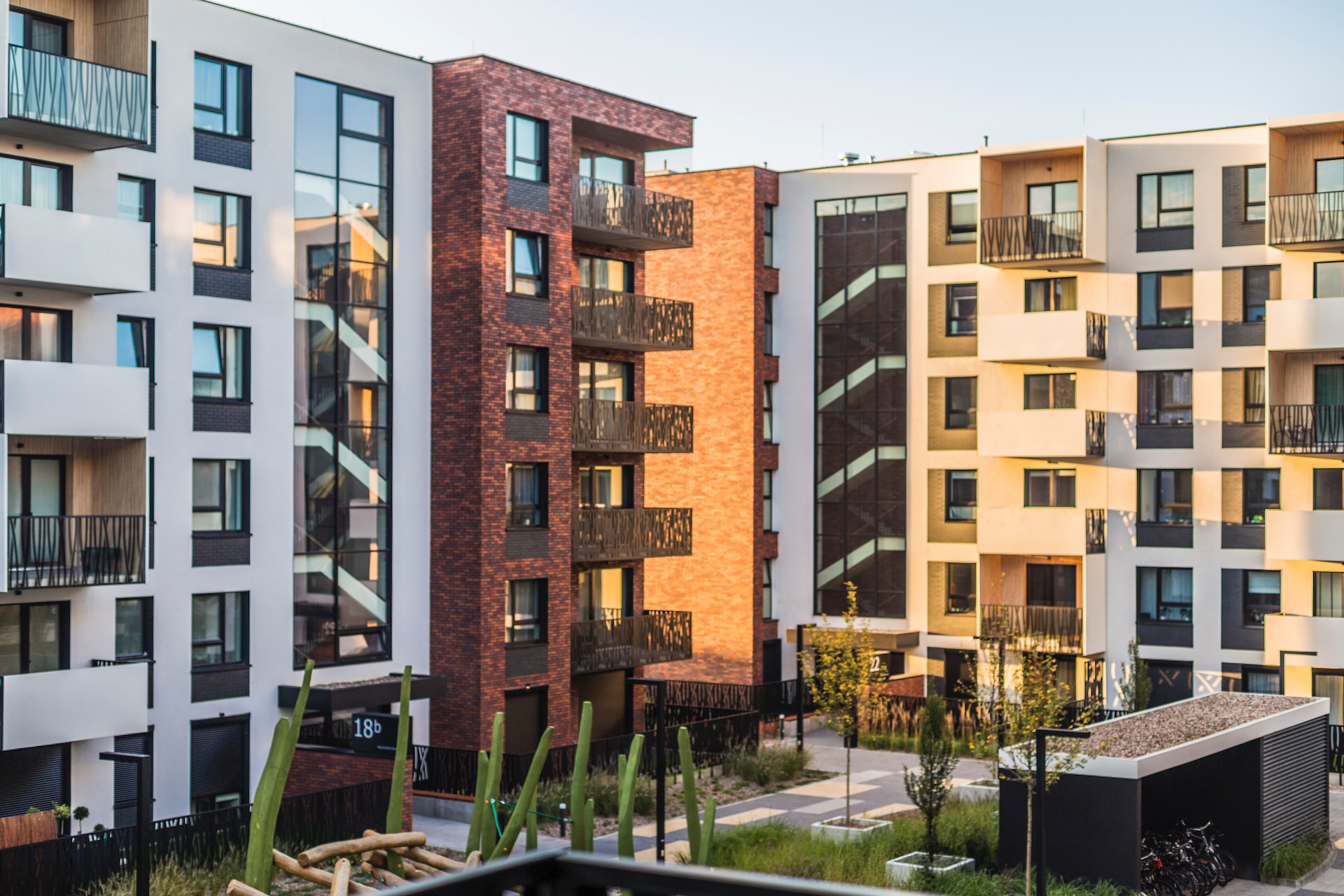
Image by The Yuri Arcurs Collection on Magnific
Buying into a community with a homeowners association means entering a relationship that will shape daily life for as long as you own the home. For some homeowners that relationship is smooth and barely noticeable; for others it becomes a source of ongoing frustration. The difference usually comes down to how well the association is run. Knowing what good HOA governance actually looks like helps homeowners recognize whether their association is serving them well, and gives them a standard to hold their board and management to. A well-run HOA is not a luxury; it is what every homeowner paying dues has a right to expect.
Clear, Consistent Communication
The most immediate sign of a well-run association is how it communicates. Homeowners should expect to be kept informed about what the association is doing, what decisions are being made, and how their money is being spent. This means regular updates, accessible meeting notices, and responsiveness when a homeowner raises a question or concern.
Poor communication is at the root of most HOA disputes. When homeowners feel left in the dark about decisions, fees, or rules, distrust grows quickly. A well-run association treats communication as a priority rather than an afterthought, making information easy to find and questions easy to ask. Homeowners should never feel they have to fight to understand what their own association is doing.
Fair and Consistent Enforcement of Rules
Every HOA has rules, and a well-run one enforces them evenly. Homeowners should expect the community’s standards to be applied consistently to everyone, without favoritism, selective enforcement, or arbitrary decisions. Rules that are enforced against one homeowner but ignored for another are one of the fastest ways for an association to lose the trust and goodwill of its residents.
Consistency also means the rules themselves are clear and reasonable, and that homeowners understand how to comply and what happens if they do not. A well-run association applies its standards predictably, so residents know where they stand. This fairness is not just about avoiding conflict; it is about maintaining the shared standards that protect property values and quality of life for everyone in the community.
Sound Financial Management
An association handles substantial sums of homeowner money, and managing it responsibly is a core expectation. Homeowners should expect transparent budgets, careful spending, adequately funded reserves for future major expenses, and clear financial reporting that shows where the money goes.
Professional support often makes the difference here. Associations that work with experienced management companies such as Lifetime HOA benefit from structured budgeting, disciplined reserve planning, and transparent financial practices that keep the community on solid footing and prevent the nasty surprises of special assessments caused by poor planning. Homeowners should expect their association to plan for the long term, not just the current year, and to be open about its financial position. An association that manages money well protects both the community’s shared assets and each homeowner’s investment.
Responsive Maintenance of Common Areas
The shared spaces are what many homeowners are paying for, and keeping them in good condition is a central responsibility. Homeowners should expect common areas, landscaping, amenities, and shared structures to be maintained promptly and to a good standard, preserving both the enjoyment and the value of the community.
A well-run association addresses maintenance proactively rather than letting problems accumulate until they become expensive emergencies. Regular upkeep, timely repairs, and sensible long-term planning for major replacements all signal an association that takes its stewardship seriously. Neglected common areas are a visible symptom of a poorly run HOA, while well-kept ones reflect an organization doing its job.
Professional, Accountable Governance
Behind a well-run association is a board and management that operate professionally and accountably. The Community Associations Institute, a leading resource on community association governance, emphasizes that effective HOAs operate with transparency, follow their governing documents, and act in the community’s collective interest. Homeowners should expect their board to make decisions properly, follow established procedures, and put the community’s welfare above personal agendas.
Accountability means board members understand their responsibilities, decisions are made in the open rather than behind closed doors, and homeowners have genuine avenues to raise concerns and participate. A well-governed association welcomes homeowner engagement rather than resisting it, recognizing that the community belongs to its residents. This professionalism is what separates an association that functions smoothly from one that lurches from conflict to conflict.
Respect for Homeowners as Stakeholders
Underlying all of this is a basic attitude: a well-run association treats homeowners as the stakeholders they are, not as subjects to be managed. Homeowners should expect to be heard, to have their concerns taken seriously, and to be treated with respect in every interaction with the board and management.
This respect shows up in small ways and large ones, from the tone of communications to the willingness to consider homeowner input on decisions that affect the community. An association that remembers it exists to serve its homeowners, rather than the other way around, tends to be one where people are glad to live. That orientation is perhaps the truest measure of a well-run HOA.
Recognizing and Expecting Good Governance
Understanding what a well-run association looks like, clear communication, fair enforcement, sound finances, responsive maintenance, professional governance, and genuine respect for homeowners, gives residents a standard to expect and, when necessary, to advocate for. These are not unreasonable demands; they are the basic elements of an association doing its job.
Homeowners who know what good governance looks like are better equipped to participate constructively, to recognize when their association is falling short, and to push for improvement. And communities that meet these standards, often with the help of capable professional management, are the ones where the HOA fades into the background as a quiet asset rather than a constant source of friction. That is what every homeowner paying into an association deserves to expect.