How Apartment Owners Can Choose the Right Heat Pump Size Before Replacing an Older Heating System
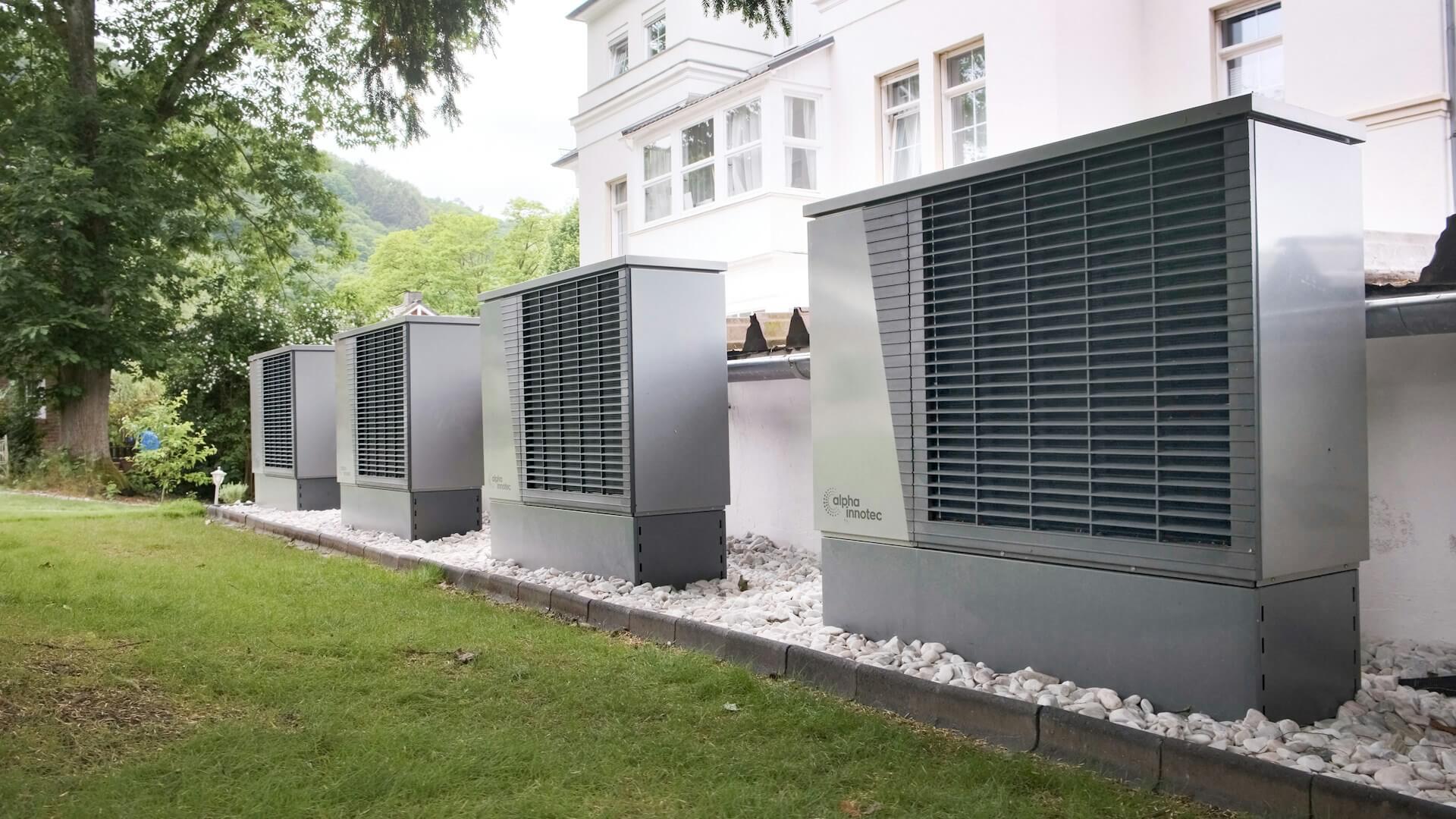
Replacing an older heating system is one of the biggest upgrades apartment owners can make to improve comfort, lower energy consumption, and reduce long-term maintenance costs. While many owners spend time comparing brands, efficiency ratings, and features, one of the most important decisions often receives less attention: choosing the correct system size.
A heat pump that is too small may struggle to maintain comfortable indoor temperatures during colder months, while a system that is too large can cycle on and off too frequently, wasting energy and increasing wear on important components. Proper sizing helps create a more comfortable living environment while supporting reliable, efficient operation for years.
Whether you're replacing aging equipment in a single rental unit or planning improvements across an entire apartment building, understanding how system sizing works can help you make a more informed investment.
Why Heat Pump Size Matters More Than Many Owners Realize
Many property owners assume that purchasing the largest available system will guarantee better heating performance. In reality, heating and cooling equipment should always be matched to the specific needs of the building.
Heat pumps are designed to operate steadily over longer periods rather than delivering short bursts of heat. When properly sized, they maintain consistent indoor temperatures while using less energy than oversized equipment that constantly starts and stops.
The goal is not simply to install a larger unit. The goal is to install one that matches the building's actual heating and cooling demands.
Every Apartment Building Has Different Heating Requirements
No two apartment properties are exactly alike. Even buildings with similar floor areas can require completely different system capacities depending on their construction and layout.
Several factors influence heating demand, including:
- Building insulation levels
- Window quality and placement
- Ceiling height
- Air leakage
- Building orientation
- Number of exterior walls
- Local climate conditions
- Occupancy patterns
An older building with original windows and limited insulation may require a different system than a recently renovated property with improved energy efficiency.
These differences explain why choosing equipment based only on square footage can produce disappointing results.
Why Square Footage Alone Is Not Enough
Many online calculators estimate system size using only the total floor area. While this provides a rough starting point, it rarely produces an accurate recommendation.
For example, two 1,200-square-foot apartments may have completely different heating loads if one has modern insulation and high-performance windows while the other has significant air leakage and outdated construction materials.
Professional sizing evaluates the entire building rather than relying on a single measurement.
Understanding Heating Load Calculations
Before selecting equipment, professionals typically calculate the building's heating load.
This process estimates how much heat the property loses under winter design conditions and how much cooling is needed during warmer months.
The calculation considers factors such as:
- Insulation values
- Window sizes
- Building orientation
- Occupancy
- Ventilation requirements
- Air infiltration
- Local weather conditions
The result is a much more accurate estimate of the capacity needed for reliable year-round comfort.
Common Problems Caused by Oversized Systems
Installing equipment that is larger than necessary may sound like a safe decision, but it often creates several performance problems.
Oversized systems frequently:
- Short cycle by turning on and off repeatedly
- Use more electricity during startup.
- It produces uneven room temperatures.
- Experience increased wear on compressors.
- Require more maintenance over time.
- Reduce long-term operating efficiency.
Frequent cycling also makes it harder for the system to maintain stable indoor comfort.
Instead of operating efficiently, the equipment continually starts and stops without reaching its optimal operating conditions.
What Happens When a Heat Pump Is Too Small?
Undersized equipment creates a different set of challenges.
When demand exceeds the system's capacity, it may need to run almost continuously while still struggling to maintain comfortable indoor temperatures.
Potential issues include:
- Reduced indoor comfort during extreme weather
- Longer operating times
- Higher energy consumption
- Increased equipment wear
- Difficulty maintaining consistent temperatures throughout the property
Selecting the correct capacity helps avoid both oversized and undersized performance problems.
Apartment Layout Can Influence System Selection
The physical layout of an apartment building also plays an important role.
Corner units often lose more heat because they have additional exterior walls.
Top-floor apartments may experience different temperature conditions than lower floors due to roof exposure.
Open floor plans allow conditioned air to circulate more freely, while properties with numerous enclosed rooms may require different airflow strategies.
These design characteristics should always be considered before selecting equipment.
Building Improvements Can Change Heating Needs
Many apartment owners complete energy-efficiency upgrades before replacing heating equipment.
These improvements may include:
- Adding insulation
- Replacing windows
- Sealing air leaks
- Upgrading exterior doors
- Improving attic insulation
Each of these upgrades can reduce heating demand.
Installing new equipment before these improvements are completed may result in purchasing a system that is larger than the building ultimately requires.
Planning renovations first often leads to more accurate sizing decisions.
Don't Forget About Cooling Performance
Although many owners focus primarily on winter heating, heat pumps provide both heating and cooling.
A properly sized system should perform efficiently throughout every season.
Equipment selected only for maximum heating output may not deliver the best cooling performance if it is oversized for summer conditions.
Balancing both heating and cooling requirements helps create consistent comfort throughout the year.
Multi-Unit Properties Require Individual Evaluation
Apartment buildings often contain units with very different heating demands.
South-facing apartments receive more solar heat.
Ground-floor units may experience different heat loss than upper floors.
Corner apartments frequently require a different capacity than interior units.
For this reason, identical equipment is not always the best solution for every apartment within the same building.
Individual evaluation often produces better long-term performance.
Professional Assessment Makes a Significant Difference
Choosing equipment involves much more than reading product specifications.
Experienced professionals evaluate the entire property before recommending system capacity.
This includes reviewing construction details, insulation levels, ductwork (if applicable), airflow, and building layout.
Working with qualified heat pump contractors helps ensure the system is selected based on actual building conditions rather than estimates or assumptions. A thorough evaluation can improve efficiency, comfort, and long-term reliability while reducing the likelihood of expensive sizing mistakes.
Research Before Making a Final Decision
Apartment owners should also spend time learning how sizing decisions affect long-term system performance.
Understanding the relationship between heating load, insulation, airflow, and equipment capacity makes it easier to ask informed questions during the planning process.
Reviewing a detailed heat pump sizing guide can provide valuable insight into how professionals determine the appropriate system size and why proper calculations are far more reliable than choosing equipment based solely on square footage.
The more informed a property owner becomes before installation, the more confident they can be in selecting equipment that delivers dependable performance for years to come.
Long-Term Value Comes From Proper Planning
Replacing an older heating system represents a significant investment, and the benefits depend on more than simply choosing high-efficiency equipment.
Correct sizing helps improve comfort, supports lower operating costs, reduces unnecessary equipment wear, and provides more consistent performance throughout the building.
Rather than focusing only on brand names or equipment capacity, apartment owners should prioritize understanding the property's actual heating requirements before making a purchasing decision.
A carefully planned installation backed by accurate sizing calculations is far more likely to deliver reliable heating, efficient operation, and long-term value than simply installing the largest available system.