Common Mistakes People Make When Assembling Furniture in NYC Apartments
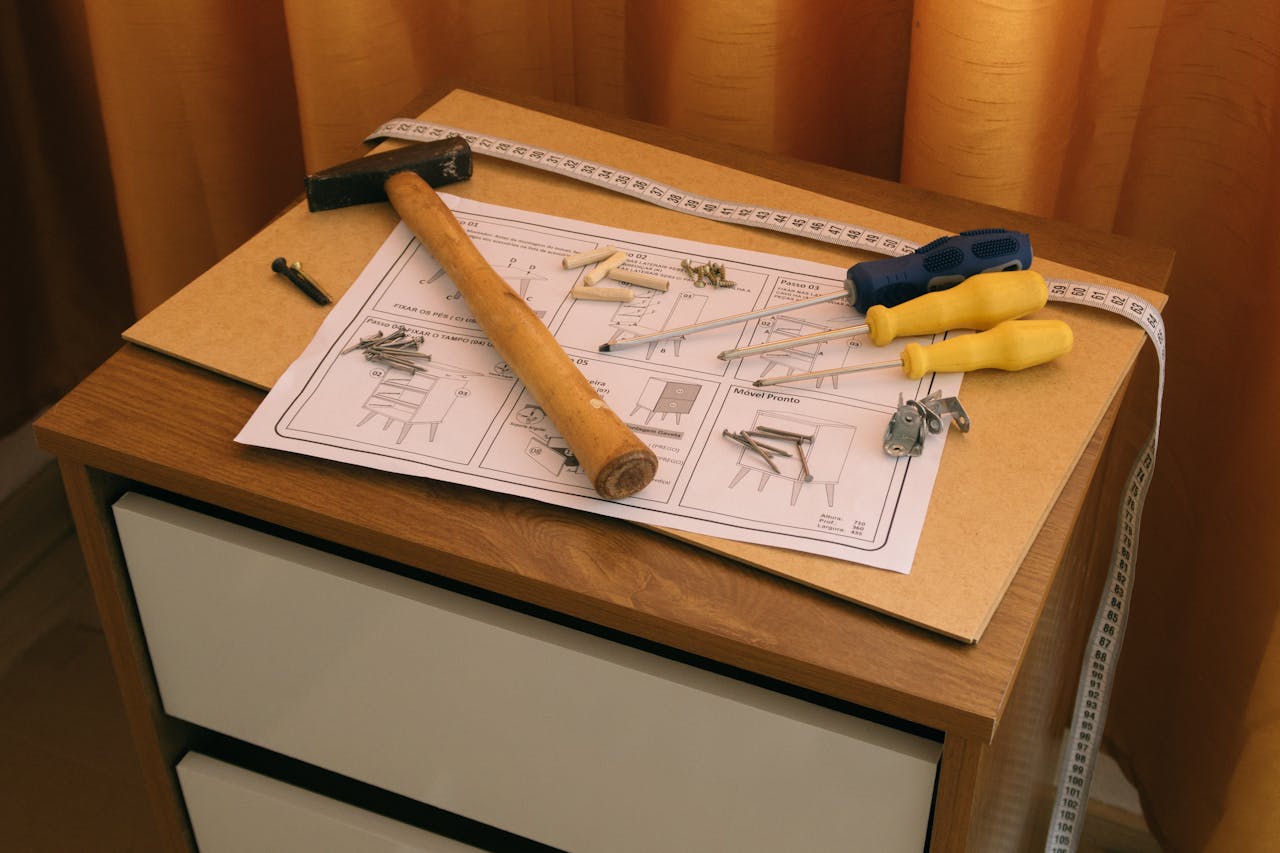
Taking on furniture assembly in NYC projects often sounds easy at first. The box arrives, the instructions look simple, and you expect to be done quickly. Then reality sets in. Tight layouts, narrow hallways, older buildings, and limited floor space make furniture assembly far more challenging than people expect.
Apartments in New York City are known for maximizing every square foot, which means there is very little room for mistakes. Many residents run into the same problems, leading to damaged walls, scratched floors, wasted time, and unstable furniture. Below are the most common mistakes and how to avoid them.
1. Not Measuring Before You Start
Why Measurements Matter
In small apartments, guessing rarely works. Furniture that looks compact in a showroom or online can feel oversized once inside a city apartment. Without measuring first, you risk buying or assembling something that simply does not fit.
What You Should Measure
You should measure the room where the furniture will go, but also the full path leading there. This includes entry doors, hallway corners, stairwells, elevator interiors, and ceiling height in walk-ups. Tight turns are often the biggest obstacle.
The Problem This Causes
Many people fully assemble large pieces only to discover they cannot move them into place. At that point, they have to disassemble parts or awkwardly force items through tight spaces, which increases the risk of damage.
2. Building Furniture in the Wrong Area
The Space Planning Mistake
In cramped apartments, every inch matters. Assembling furniture in an open area may seem convenient, but once built, that piece may be too large to shift through narrow spaces or around corners.
Smarter Approach
Try to assemble large items as close as possible to their final position. This reduces lifting and rotating after assembly. Planning helps avoid scratched paint, dented walls, and unnecessary strain.
3. Skipping Wall Anchoring
Safety Risks People Ignore
Tall furniture like bookcases and dressers can become unstable, especially on slightly uneven floors. Even a small wobble can become a tipping hazard over time.
Why Anchoring Matters
Wall anchors provide stability and prevent accidents. Many people skip this step because they worry about damaging walls, but leaving tall furniture unsecured is a bigger risk.
When to Get Help
Professional furniture assembly NYC services understand how to secure furniture safely and properly, even in rental apartments where wall care matters.
4. Using Only the Tools in the Box
The Tool Limitation
Most flat pack furniture includes a basic tool, but it is rarely enough for a smooth experience. Small tools slow the process and make it harder to tighten parts correctly.
Tools That Help
Using a proper screwdriver, a level, and sometimes a rubber mallet can make a noticeable difference. These tools help ensure connections are tight and the furniture stands evenly.
5. Ignoring the Instructions
The Overconfidence Trap
People often think they can figure it out by looking at the parts. This usually leads to mistakes that are discovered several steps later.
What Goes Wrong
Panels may be installed backward, drawers may not slide correctly, and support pieces may be misplaced. Fixing these errors takes extra time and patience in already tight spaces.
6. Forgetting to Protect Floors and Walls
How Damage Happens
During assembly, parts are often leaned against walls or dragged across floors. In apartments with hardwood or delicate finishes, this can cause visible scratches and dents.
Easy Prevention
Using blankets, cardboard, or rugs under the work area protects surfaces and gives you peace of mind during the project.
7. Trying to Do Everything Alone
When One Person Is Not Enough
Even if instructions say one person can handle it, certain steps require holding panels steady while attaching hardware. Doing this alone in a tight room can be difficult.
Risks of Solo Assembly
Without help, parts may slip, connections may be uneven, and the risk of injury increases. Having someone assist, even briefly, makes the process safer and faster.
8. Rushing to Beat Building Restrictions
Time Pressure in Apartments
Some buildings have rules about noise or move-in hours. This can make residents rush through the assembly to finish quickly.
Why Rushing Backfires
When people hurry, they often miss steps, leave parts loose, or assemble pieces unevenly. Slowing down leads to stronger, more stable furniture.
9. Poor Weight Distribution
Why Stability Matters
Placing heavy items on uneven floors can cause wobbling or long-term stress on the structure of the furniture.
How to Fix It
Using a level and adjusting supports helps keep furniture stable and balanced, which improves durability.
10. Underestimating Time Required
The Reality of Small Space Assembly
Working in tight apartments takes longer because there is less room to spread out parts and tools. Frequent repositioning adds time.
Plan Accordingly
Setting aside extra time reduces stress and allows you to work carefully instead of rushing through steps.
When Hiring Professionals Is the Smarter Choice
Complex or Heavy Items
Large wardrobes, wall-mounted units, and multi-piece systems can be difficult to assemble alone in a compact space.
Benefits of Expert Help
Professionals experienced in Furniture Assembly NYC apartments know how to work efficiently in tight layouts, follow building rules, and make sure furniture is assembled and secured properly.
Final Thoughts
Furniture assembly in city apartments comes with unique challenges that many people underestimate. Careful planning, proper tools, and patience go a long way toward avoiding common mistakes. When a project feels too large or complicated, professional furniture assembly NYC assistance can help ensure everything is assembled safely, securely, and correctly the first time.