From Hot Work to Alarm Problems: How The Fast Fire Watch Company Helps
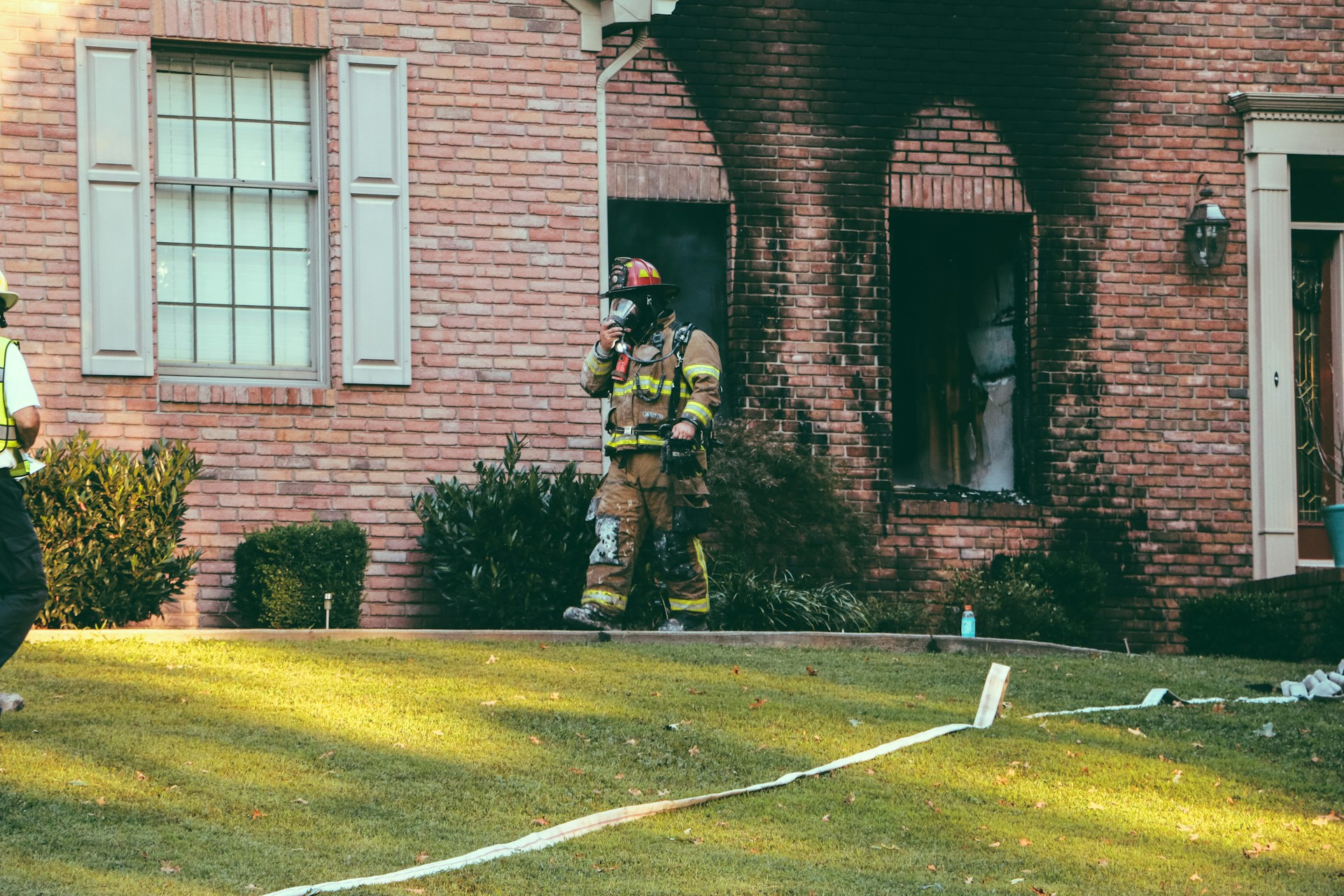
The Fast Fire Watch Company moves quickly when there is hot work or when alarms stop working. They know how important safety is for people and buildings. Their team gets to the place fast. They use their skills to check for fire risks. After that, they help get things back to normal soon. This helps keep the area safe and makes people feel calm. If you need a team you can trust to fix fire watch troubles, this company will be there for you.
When fire alarms do not work, or when sprinklers stop during jobs, or if there is dangerous building work, the owners of the place can get fined quickly and put lives at real risk. A normal security worker does not have the training that is needed to keep the place open at these times. Fire Watch Guards are the people who come in to help. They stay inside and keep watch when the systems are not working, or when the work done makes it too hot.
The trained guards from The Fast Fire Watch Company keep notes about the safety checks. They also speak right away with local Fire Marshals. They do this so businesses can keep running with no long stops. They help keep away expensive shutdowns.
What Triggers an Immediate Fire Watch?
The National Fire Protection Association (NFPA) says there have to be people watching for fire in two main cases. The first is if there are problems with the main fire system (NFPA 25 / NFPA 72). The second is when work that generates a lot of heat is happening in factories or plants (NFPA 51B). A company cannot stay open if the fire detection system is not working.
When automated systems stop working or when the site gets too hot, property managers need to start manual patrols. The Fast Fire Watch Company quickly sends people to help. This keeps the place safe and makes sure all rules are followed.
Managing Hot Work Safety and Embers
Hot work can be jobs like arc welding, flame cutting, grinding, and torch soldering. These jobs often start fires in industrial buildings. The National Fire Protection Association (NFPA) says hot work starts thousands of building fire each year. These fires cost millions of dollars because of damage to property.
The Fast Fire Watch Company has inspectors who know what to look for and can help lower fire risks. They help you before, during, and after any hot work.
HOT WORK SURVEILLANCE STAGES
- PRE-WORK INSPECTION
- 35-foot perimeter combustible sweep
- Verify OSHA 1910.252 shield placement
- Validate 20lb ABC fire extinguisher charge
- ACTIVE WORK MONITORING
- Direct line-of-sight visual on sparks & slag
- Wall/ceiling penetration checks for hidden embers
- Immediate work stoppage on safety violation
- MANDATORY POST-WORK COOL-DOWN
- 1-hour minimum fire watch, then up to 3 hours of thermal imaging & visual monitoring
- Sign-off on site safety logbook for Fire Marshal
- Pre-Work Area Isolation: Guards remove all flammable materials from an area of up to 35 feet. Also, they check whether the fire tarps are properly placed, as is desired by the Occupational Safety and Health Administration (OSHA).
- Dedicated Line-of-Sight: These guards focus only on areas with sparks. OSHA 29 CFR 1915.504 requires that the individuals responsible for spotting fires do nothing else while hot work is being done.
- Post-Work Ember Monitoring: Hot things or embers may be concealed within insulation and beneath the flooring before becoming a fire. For at least 1 hour after the work has been done, and for up to 3 more hours depending on the risk, The Fast Fire Watch Company observes the area.
Handling Alarm Outages and System Failures
The primary fire alarm may go off due to a problem with power, storms, or some changes in the system. This will result in your primary means of alerting your workers of emergencies no longer being operational. You have to contact the local fire department immediately. If the system is not working for over 4 hours in one day, you need to look for fire by hand.
- System Alarm Outage Occurs
- Notify Local Fire Marshal
- Deploy Dedicated Fire Watch Guards
- Continuous Physical Patrols (15-30m)
- Real-Time Digital Patrol Logging
- Hazard Neutralization & Rapid AHJ Sign-Off
When a system goes down, The Fast Fire Watch Company has steps for people to walk and look around by hand.
- Periodic Perimeter Walk: The guards take periodic perimeter walks at intervals of 15 to 30 minutes. This includes checking all the common areas, stairs, machine rooms, and many other places.
- Manually Activate Alarm: In case of a fire or smoke emergency situation, the guards manually activate the alarms using air horns and begin the evacuation procedure.
- AHJ Logbook Record Keeping: The Fire Marshals need logbooks in which the schedule of patrols would be clearly stated. Guards maintain electronic logbooks. There, they document patrol times, potential risks identified, and actions taken to mitigate them.
Why Professional Guard Deployment Beats Internal Staffing
Many property managers want to use their own workers for fire watch jobs. They do this to save money. But this can lead to a big problem with the rules. They may get big fines from the city. Their insurance might not cover them anymore, too.
| Evaluation Criteria | Internal Employee Assignment | The Fast Fire Watch Company |
|---|---|---|
| Regulatory Compliance | High risk of failure; staff often get pulled into non-fire tasks, violating OSHA 1915.504. | Fully compliant; guards focus exclusively on fire watch duties. |
| Response & Deployment | Limited by employee shift schedules and overtime constraints. | Emergency dispatch available 24/7/365 with rapid site arrival. |
| Logbook Accuracy | Frequently incomplete or missing required AHJ time stamps. | Real-time digital patrol tracking accepted by Fire Marshals. |
| Liability & Insurance | Employer holds 100% financial liability if a fire occurs during an outage. | Fully insured specialized coverage protecting the property owner. |
Frequently Asked Questions
What equipment must fire watch guards carry on duty?
Guards have 20 lb ABC dry-chemical fire extinguishers. They use loud manual air horns. Each guard has two-way radios with many channels. They also carry strong LED flashlights. The guards use digital equipment to log their patrols.
How long must a fire watch stay after hot work ends?
The NFPA 51B rules (2019 edition) say you need someone to watch for fire for at least 1 hour after hot work stops. The Permit-Authorizing Individual (PAI) can add up to 3 more hours of fire monitoring. This depends on what burning things are near the area.
Fire Observation by Specialists
If there are any problems with your system or some hot work takes place, quick actions must be taken in order to protect both people and to comply with the regulations. If you employ untrained staff, it will result in serious consequences. Certified Fire Watch Guards from The Fast Fire Watch Company can help, and they are there 24/7 if you have an emergency. They keep strict NFPA logs and follow all rules. This helps your place stay safe and keeps things going.