Design Elements to Consider When Decorating Your Home with Flowers and Plants
Adding flowers and plants to your home is a great way to give the space a touch of life and color. However, decorating your home or apartment goes beyond getting a few potted or hanging plants and faux or real flowers and placing them anywhere in your home.
There are a few design elements that you need to consider when decorating your home with flowers and plants in order to do it like a pro.
1. Placement
Where and how you place your flowers and plants can make a big difference in how they look. You want these decorations to be seen and enjoyed by everyone in your home, right?
So, you should place them in an open space with plenty of light to help them bloom and grow properly.
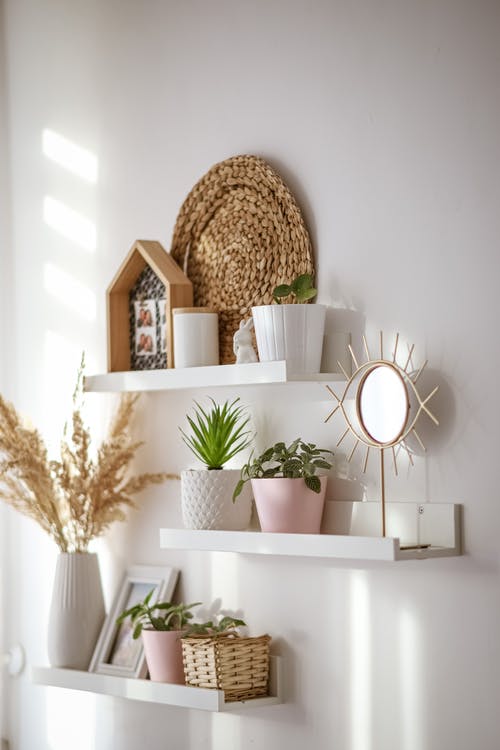
Tall plants should remain on the floor or in the corners. Medium-sized plants and flowers should go on the window sills while the small ones look good on shelves or cabinet tops.
Again, when arranging your decorative pieces, don't overcrowd them in a single space. Be creative with your placement! Add some hanging plants and place others vertically or horizontally depending on the available space to create an attention-grabbing look.
Homeowners like to take advantage of large planter boxes that can house multiple plant varieties simultaneously, establishing a bold and centralized focal point in spacious areas. This strategic placement allows for the effortless blending of trailing vines and upright shrubs, adding dynamic visual texture to a room without causing unnecessary clutter.
2. Size
Another important design element to consider when decorating your home with flowers and plants is size. You don't want to overcrowd your space with too many large plants or numerous tiny flowers that get lost among the furniture.
Try to select a variety of sizes for intrigue and style. Different-sized flowers and plants also create a balanced look.
When considering the size, don't only focus on the height of the plants or flowers. It's also important to consider the size of planters, pots, and container accessories-the leaves' pattern and size matter too.
3. Color and Style
When selecting plants and flowers, think about your home's overall color scheme and style and choose flowers that complement it. For example, if your home has a lot of earth tones, you might want to choose plants with green or brown leaves.
If you want a more vibrant look, opt for flowers in bold colors like red or yellow. However, it's advisable to mix different complementary colors to create a more defined look.
On the other hand, choose sleek plants with simple lines if your home has a modern and minimalist style. For a more traditional or rustic feel, go for plants with more ornate leaves and flowers.
In everything you do, ensure the flower and plant style you settle for blends well with the rest of the décor in your home.
4. Type of Flowers or Plants
Finally, you need to think about the flowers and plants you want to use. There are different types of flowers and plants available, so take some time to research which ones would work best in your home.
Consider the climate in your area and choose plants that will thrive in that environment. Also, don't pick flowers and plants that demand more care and maintenance than you have time for.
It's also important to consider the scent of flowers and plants. Remember, scent can either make or break a space!
If you are in Denver, Colorado, you can visit flower delivery Denver for a wide selection of fresh bouquets. Flower delivery Denver offers same-day and next-day delivery for selected bouquets.
Bottom Line
With a little bit of planning and the right choice of flowers and plants, you can transform your home into an inviting and cozy space for everyone. If you're looking for more ways to furnish your apartment inexpensively, consider incorporating flowers and plants into your décor.
Keep moving or replacing your flowers and plants regularly to create a fresh look.
Frequently Asked Questions
What are the most important design elements when decorating with flowers and plants?
Four design elements matter most: placement (where and how plants sit in the room), size (height of the plant plus the size of planters and leaves), color and style (matching the room's palette and feel), and the type of flowers or plants you actually choose. Getting all four right is what turns casual greenery into a polished decorative scheme.
Where should you place plants and flowers in a home?
Place plants in open spaces with plenty of light to help them bloom and grow properly. Tall plants belong on the floor or in corners, medium-sized plants and flowers work on window sills, and small ones look good on shelves or cabinet tops. Don't overcrowd them in a single space — mix hanging plants with vertical or horizontal placements to create an attention-grabbing look.
How do you choose the right size of plants and planters?
Avoid overcrowding the space with too many large plants or so many tiny flowers that they get lost among the furniture. Select a variety of sizes for intrigue and style — different-sized plants and flowers create a balanced look. Size considerations should include plant height, planter and pot dimensions, and the size and pattern of the leaves themselves.
How should plants match a home's color scheme and style?
Pick plants and flowers that complement the room's overall color scheme. An earth-tone interior pairs well with green or brown leaves, while a vibrant look benefits from bold reds and yellows — mixing complementary colors gives a more defined result. Modern minimalist rooms suit sleek plants with simple lines, while traditional or rustic interiors work better with ornate leaves and flowers.
What should you consider when choosing the type of plant?
Consider the climate in your area and choose plants that will thrive there, and don't pick anything that demands more care and maintenance than you have time for. Scent matters too — fragrance can either elevate a space or overpower it, depending on the plant and the room.
How often should you change or move plants around the home?
Move or replace your flowers and plants regularly to create a fresh look. Rotating placements also helps plants get more even light exposure, which keeps them healthier over time and prevents any single spot in the room from feeling stale.
Are real plants always better than faux flowers and plants?
Not necessarily. Real plants add life and improve indoor air, but faux flowers and plants are practical for dim corners, very dry environments, or homes where the resident travels frequently. The design rules — placement, size, color, style — apply to both, and the choice between them depends on the room conditions and how much maintenance you actually want to take on.