💡 Bright Ideas: Integrating Lighting into Vibrant Interior Designs
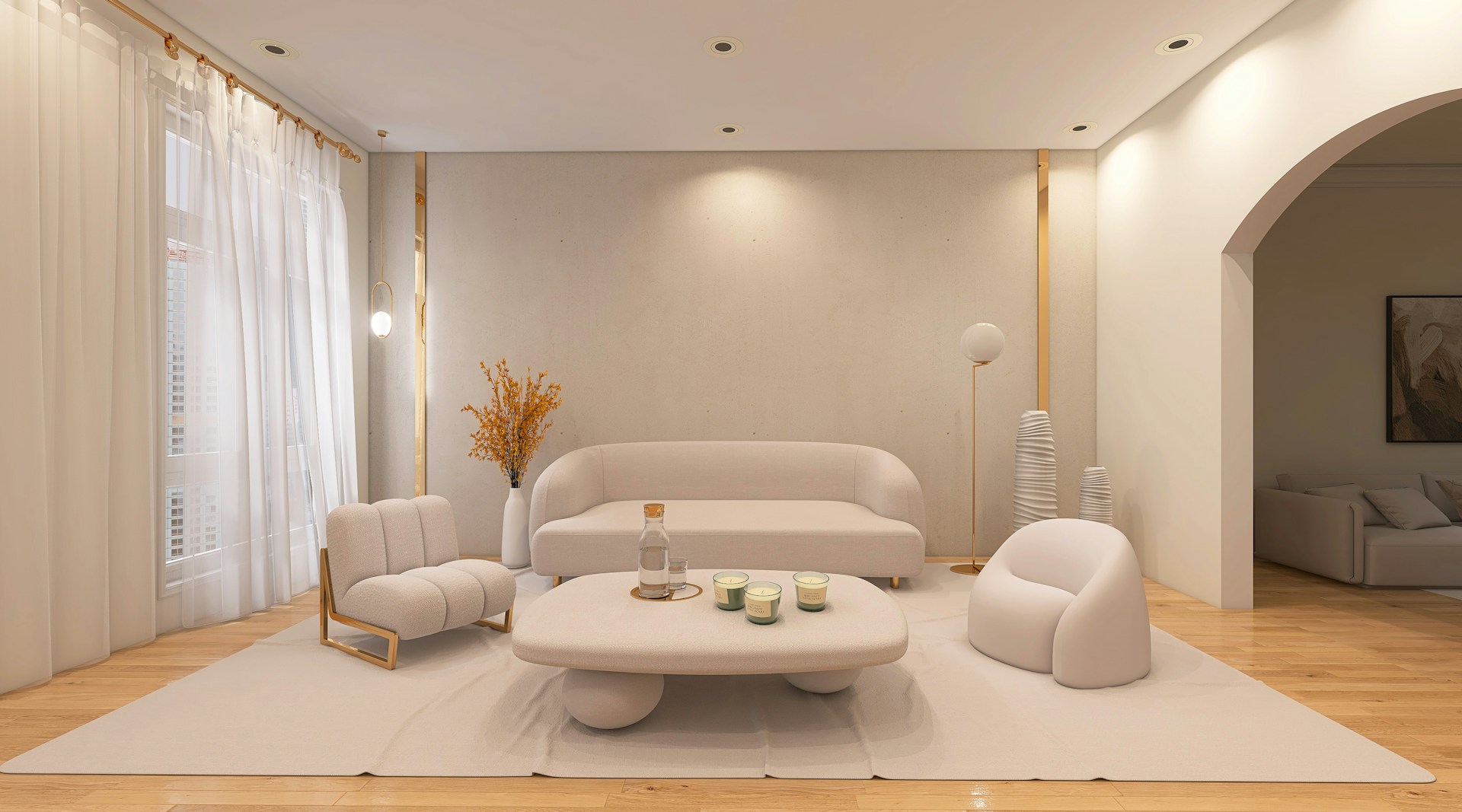
Boston housing, with its historic brownstones, classic triple-deckers, and modern waterfront high-rises, presents a rich tapestry of architectural styles. For interior designers, this variety offers both a challenge and an opportunity: how to use lighting to integrate with and elevate a vibrant design aesthetic while respecting the existing character of the space.
Effective lighting is more than just illumination; it's an invisible design layer that can manipulate color, mood, and spatial perception. When aiming for a truly vibrant interior—one that is full of life, color, and energy—a multi-layered lighting strategy is essential.
1. Highlighting Architectural Heritage
Many of Boston's most desirable properties feature original details like deep-set windows, crown molding, and ornate mantels. These elements can be lost in shadow if not correctly highlighted.
- Accent Lighting: Use track lighting or adjustable recessed fixtures (gimbals) to focus a beam of light precisely on a fireplace, a built-in bookcase, or textured brickwork common in the South End and Beacon Hill. A warm color temperature (around 2700K) works best to enhance the rich tones of aged wood and brick.
- Washing Walls: For rooms with vibrant wall colors or intricate wallpapers (a popular choice in Back Bay), consider wall grazers (fixtures placed close to the wall) to emphasize texture, or wall washers (fixtures set further away) to create a smooth, even glow that saturates the color.
2. Layering for Dynamic Spaces
A truly vibrant design demands lighting that can change intensity and focus based on the moment—from a lively dinner party to a quiet evening reading. Boston apartments often have limited square footage, making this flexibility crucial.
- Ambient: This is the base layer, often provided by overhead fixtures. In a small kitchen/living area, a statement semi-flush mount or a cluster of elegant pendants can serve as a sculptural focal point during the day and provide general illumination at night.
- Task: Essential for functionality, this layer includes under-cabinet lighting in a modern Seaport kitchen or an adjustable floor lamp next to a reading chair in a Charlestown condo. Strip LEDs are perfect for adding subtle brightness without clutter.
- Decorative: These are the visual "jewels" of the room. A dramatic chandelier in an entryway or a quirky, colorful table lamp on a side table injects personality. These fixtures contribute to the vibrant aesthetic even when turned off.
3. Mastering Color Temperature and Light Quality
The quality of light directly impacts how we perceive color. A vibrant palette of navy blue, crimson, or emerald green—often seen in Boston-inspired interiors—requires high-quality light to look its best.
- Color Rendering Index (CRI): Always choose bulbs with a high CRI (90+). This ensures that the light source renders the true, rich colors of your textiles, artwork, and wall paint. Poor CRI can make a vibrant red look dull or washed out.
- Adjustable White: Smart lighting systems are ideal for Boston living. They allow residents to shift from a cool, bright white (4000K-5000K) for morning energy and cleaning, to a warm, cozy yellow-white (2200K-2700K) for evening relaxation, perfectly adapting the room's mood to the design's potential.
4. Natural Light: The Boston Advantage
Boston's urban environment, particularly the tightly packed neighborhoods, means natural light can be precious. Interior design must maximize any available daylight.
- Strategic Placement: Place highly reflective, vibrant accessories (e.g., metallic vases, lacquered boxes) near windows to catch and bounce light deeper into the room.
- Mirroring: A well-placed, oversized mirror can effectively double the perception of both space and light, enhancing the overall vibrancy of a smaller living area typical of Back Bay apartments.
By treating lighting as an integral, multi-faceted element—not an afterthought—designers can transform a traditional Boston dwelling into a truly vibrant, dynamic, and welcoming home.
Published 12/01/25