The Other Half of Your Deposit: Leaving the Apartment Actually Empty
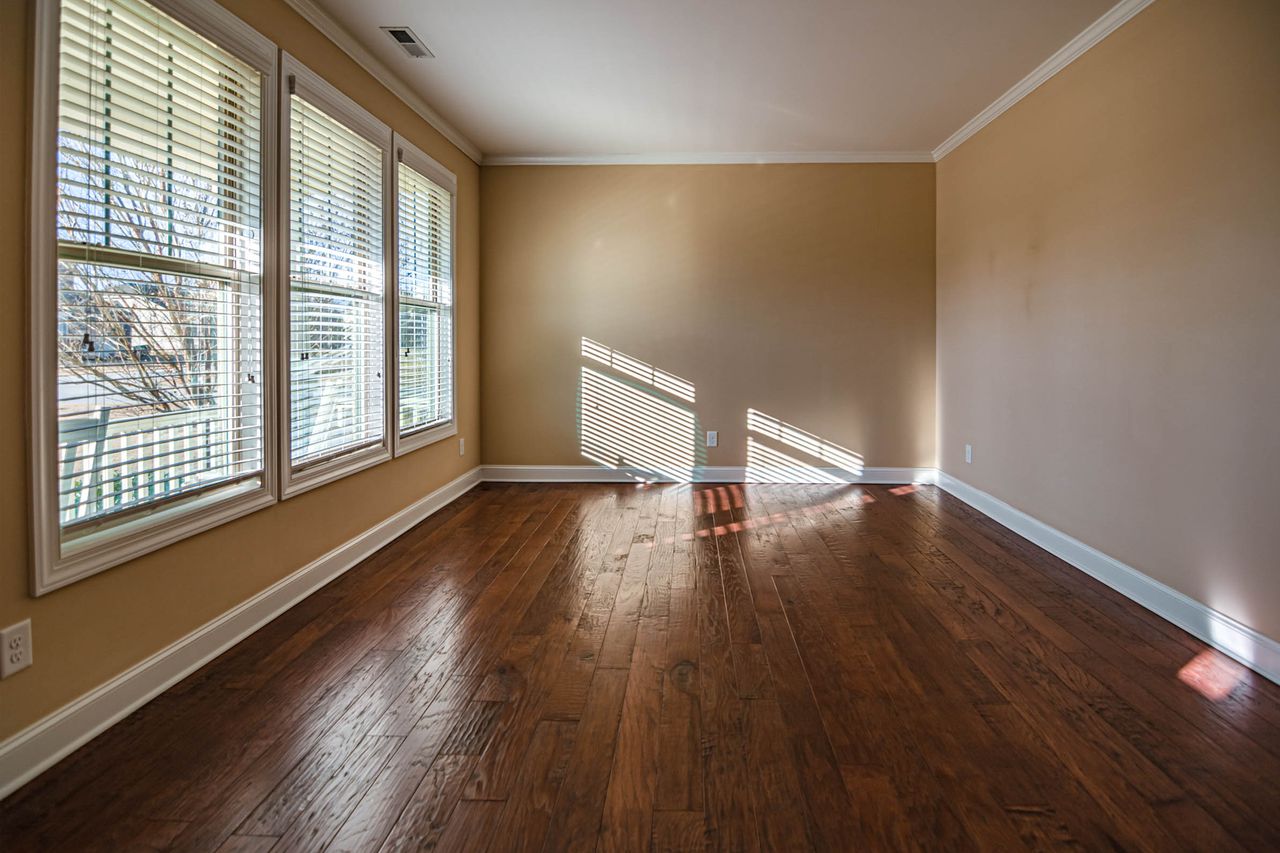
Every renter knows the move-out drill: patch the nail holes, scrub the stove, mop your way out the door. And it's true — cleaning matters.
But talk to landlords about what actually eats security deposits, and you'll hear a second story almost as often: stuff. The futon left in the living room. The mattress propped in the basement storage cage. The closet shelf of hangers, paint cans, and half-used cleaning supplies that someone decided "the next tenant might want."
Your lease almost certainly requires the unit back "empty and broom-clean." Renters spend their energy on the clean half and lose deposit money on the empty half. Here's how to keep both.
Why Left-Behind Stuff Costs More Than Dirt
When you leave things behind, your landlord can't just shrug. They have to get the unit ready for the next tenant on a deadline, which means paying someone to haul your stuff out — often at short notice, at whatever it costs.
That bill comes out of your deposit, and it's rarely small. A single large item like a couch or mattress can't go out with regular building trash. Cities limit what can sit on the curb, buildings fine owners for dumped items, and disposal companies charge by volume. By the time it's all settled, that "free" futon you left behind may cost you more than a full professional cleaning would have.
There's a timing problem too. Deposit deductions get itemized after you're gone, when you can't fix anything. The couch you could have sold for $50 becomes a $150 line item you find out about weeks later.
Walk the Unit Like a Landlord
Two or three weeks before your lease ends, do a slow lap through the apartment and open everything. You're not looking for dirt yet — you're taking inventory of every object that has to be gone by key-return day.
The usual hiding spots:
- The back of every closet, especially the top shelf
- Under the bed and behind furniture
- Balcony or porch corners — dead plants, broken chairs, that bike with the flat
- Your basement storage cage or assigned attic space (the single most forgotten spot)
- The fridge, freezer, and the cabinet over the stove
- Behind the bathroom door and under the sink
Everything you find goes on one of three lists: coming with you, being sold or donated, or getting hauled away. If a roommate situation is ending, agree now on whose name goes next to each big item — "I thought you were taking the couch" is how furniture gets orphaned.
Give the Sell-and-Donate Pile a Real Deadline
Furniture takes time to sell, and donation pickups book out. List anything you're selling at least two weeks ahead, and price it to move — the goal is an empty room, not top dollar. Donation centers are picky about condition, and many won't take mattresses or upholstered items at all, so call before you count on them.
Set a hard cutoff about four or five days before move-out: whatever hasn't sold or been claimed by then automatically moves to the haul-away list. Unsold items have a way of sitting "one more day" until suddenly it's key-return morning and the loveseat is still there.
The Haul-Away Day
For the last category — the stuff nobody wants — you have two options. The do-it-yourself route means borrowing a truck, finding out where your city actually accepts bulky items, and making the trips. Budget most of a day and check the rules first; a sofa dropped at the curb without an appointment can mean a fine for you or the property owner, which lands right back on your deposit.
The simpler route is booking a junk removal company for a single pickup a day or two before your final clean. A crew takes everything in one trip — furniture, mattress, the storage-cage pile, the balcony chairs — and you pay one predictable price instead of losing a Saturday and a truck-rental fee. For a whole-apartment clear-out it's usually cheaper than the deduction your landlord would pass along for doing the same job on their timeline.
Either way, the order matters: stuff out first, then the deep clean. You can't properly clean a room you can't see the floor of, and every move-out cleaning checklist works better in an empty unit — the deep-cleaning pass is its own project, and this site's deep cleaning tips for moving out cover that half well.
The Final Walkthrough, Empty Edition
On your last day, do the same lap you did three weeks earlier, opening every door and drawer one more time. Take photos of every room, closet, and storage space showing it empty — the same way you documented damage when you moved in. If your deposit is ever disputed, "here is the unit, empty and clean, with a timestamp" ends most arguments before they start.
Then hand back the keys and let the deposit math work in your favor for once.
The cleaning gets the attention, but "empty" is half the lease requirement — and it's the half you can't fix after you've turned in the keys. Get the stuff out early, and the rest of the move-out takes care of itself.