A Renter's Guide to Handling Sticking Windows, Drafts, and Landlord Conversations
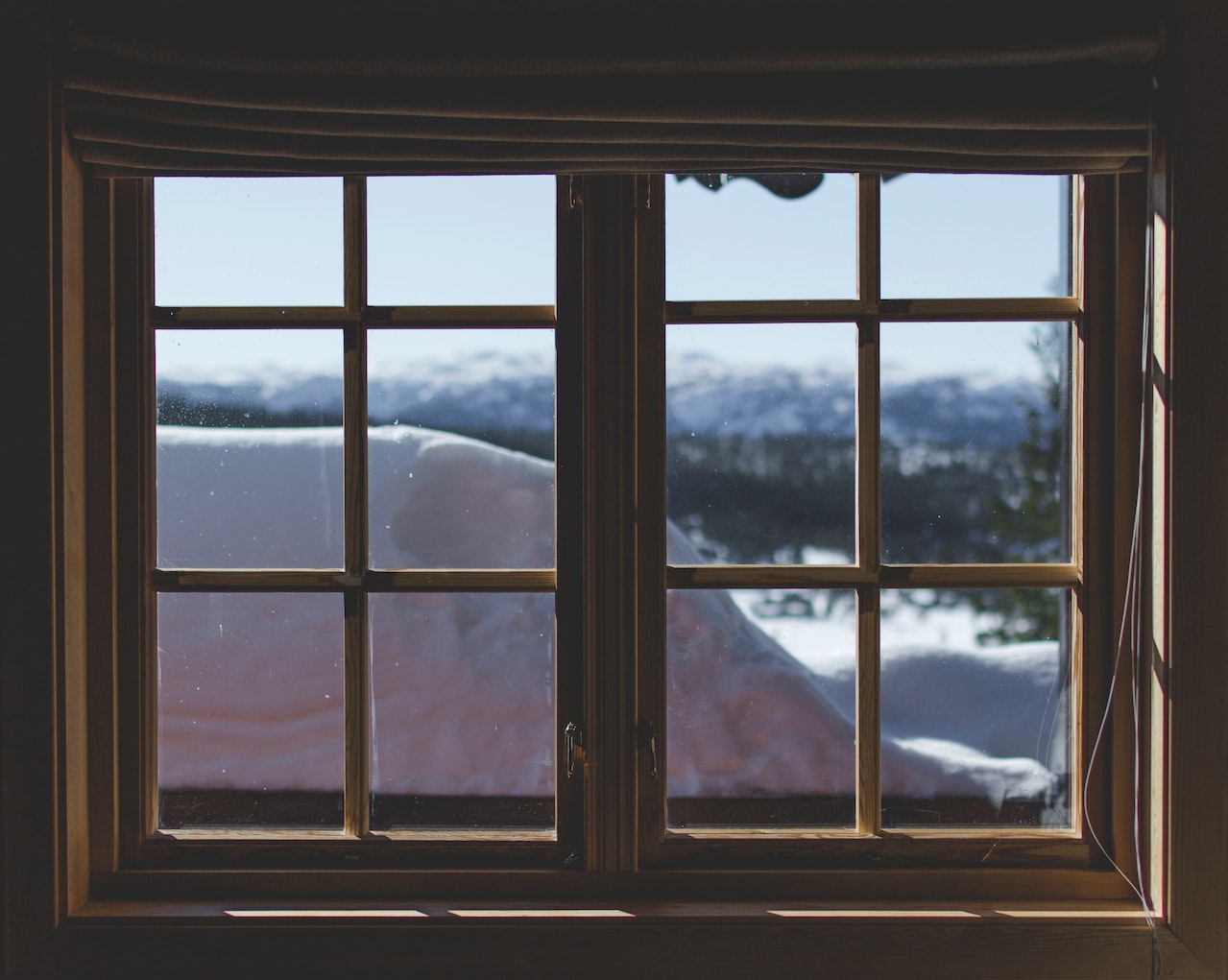
It's 11 p.m., your radiator is clanking like a small appliance is trapped inside it, and the window above your bed is whistling a note you can't unhear. Every winter, renters across Boston and Cambridge text me some version of the same question: is this my problem or my landlord's?
Good news first. Most sticking, rattling, and drafty windows aren't a sign your landlord is negligent or that you're about to lose your security deposit. They're a sign of old wood, old paint, and a building that has survived more freeze-thaw cycles than either of us has. This guide covers why windows misbehave in rentals, how to tell a five-minute fix from a maintenance request, and how to write that request so it actually gets handled.
The short version: document the issue, try the gentle fixes first, and then put it in writing. If you own your place instead, or you're handling a building for someone, the process is the same except you're the one calling a pro for window repair in Wichita, KS, or wherever the property sits. For the rest of you, here's the renter's playbook.
Why do old windows stick in the first place?
Wood moves. That's it. That's the whole secret. Window sashes swell in humid summer air and shrink when the heat kicks on in October, so a window that slid open in July can feel welded shut by Thanksgiving.
Paint makes it worse. If a previous tenant painted a sash shut (or painted over the gaps), you're not fighting the window, you're fighting a thin layer of latex that hardened into glue. Add a building that's a century old and you get frames that were never perfectly square to begin with.
One thing worth knowing: Boston winters throw your windows a real curveball. Between the wet cold and the salt-heavy air near the harbor, exterior wood takes a beating. The National Weather Service tracks the freeze-thaw cycles that hit this region every season, and every one of those cycles is a chance for a minor gap to open a little wider. That's not a defect in your apartment. That's just what happens to wood in New England.
You should also sweep the tracks before you decide anything is broken. Crumbs, sand, a dried-out rubber gasket, a single warped screen clip: any of those can make a sash feel jammed when the frame underneath is fine. Grab a vacuum with a brush attachment and clean the channel first, then test it again. I've watched people file maintenance requests over a buildup of last spring's pollen.
Repair or replacement: how to tell which one you're looking at
Here's the honest breakdown renters ask me for, minus the sales pitch.
| What you're seeing | Usually means | Who should handle it |
|---|---|---|
| Sash sticks but seals when closed | Swollen wood or painted-over track | You can try cleaning the track |
| Draft through the edges when shut | Worn weatherstripping or a loose latch | Maintenance request |
| Cracked or fogged glass, intact frame | Failed seal or impact | Maintenance request |
| Water staining around the trim | Failed flashing or seal, possible hidden rot | Maintenance request, in writing, today |
| Rattle in high wind, loose frame | Structural or installation problem | Maintenance request, with photos |
That third row is the one that costs people money. Foggy glass means moisture got between the panes, and it will not clear up on its own. Drafts and fog are cheap to fix and expensive to ignore.
Water staining is the emergency row. If you can see a brown ring on the trim or the paint is bubbling near the sill, report it the same day. Water that reaches the wall cavity is how a window problem becomes a drywall and insulation problem, and that's the kind of thing that turns into a real dispute about who caused what.
The renter's fix list, in order
Try these before you email anybody, mostly so your message can honestly say you already did.
- Clean the channel. Vacuum the track, wipe it with a damp cloth, let it dry. Roughly half the sticking windows I've seen were just dirty.
- Check the lock or latch. Sometimes a window won't close because the latch is engaged or misaligned. Flip it, then retry.
- Test the screen. A bent screen frame can push the sash out of alignment. Pop the screen out and try the window again.
- Feel for the draft with the back of your hand, not your palm. The back of your hand is more sensitive to airflow, and this tells you whether you're dealing with a draft or just a cold pane of glass.
- Take a short video. Ten seconds of you struggling with the sash is worth ten paragraphs of description.
- Stop there. Don't shove a screwdriver into the frame, don't chip at the paint, and don't force a sash that won't budge. That's how a maintenance request turns into a damage charge.
One note on temporary fixes, since everyone reaches for the same two. Those shrink-wrap film kits do help on a drafty single-pane window, and I'll defend them as a stopgap in a bedroom. The peel-and-stick foam strips are where I'd push back. They're cheap, they look fine for a week, and they leave adhesive residue that a landlord can absolutely spot at move-out. If you're renting, film comes off clean and foam doesn't.
How to write a maintenance request that gets answered
Landlords triage. A vague message sits in the pile. A specific one gets a work order. Here's the shape that works:
- One sentence on the problem and which window it is (address the specific room and which pane, not "the windows").
- One sentence on what you already tried.
- Your video or photo, attached.
- A clear ask: "Can someone take a look this week?"
- The impact, briefly. "It's the bedroom window and it's loud enough to wake me up at night." That's a livability note, and it moves things along.
Send it through whatever channel your lease names, even if you've also mentioned it in the hallway. Property management companies run on paper trails, and the Bureau of Labor Statistics tracks property management as one of the country's larger employment sectors for a reason: these are busy operations handling hundreds of units. Being easy to help is genuinely in your interest.
Give it a reasonable window. Two or three business days is fair for a draft. A water leak is not, and I'd follow up the next morning and keep following up.
The Four Question Rental Rule: before you contact anyone about a window, answer these four. Is it water, or is it air? Is it the glass, or is it the frame? Did I cause it, or did the building? Does it affect safety, or just comfort? Those four answers tell you whether you're sending a request, an emergency note, or nothing at all.
What renters get wrong about energy and cost
The energy argument is the one renters overestimate, so here's the calibration. Yes, a leaky window wastes heat. No, it's rarely the single biggest line item in a small apartment, especially if the radiator or baseboard heat is included in your rent. The Department of Energy has documented for years that air sealing and insulation are among the most cost-effective energy upgrades in a home, which is exactly why a worn seal is worth reporting: it's cheap to fix and it compounds.
Where renters get it backwards is the insulation-and-heat trade. If your heat is included, you have less financial incentive to push for a fix and more reason to push anyway, because a drafty window means the apartment never gets comfortable enough to sleep in. If your heat is metered, run the numbers before you buy anything. A film kit costs a few dollars. A repair request costs nothing, and it fixes the actual problem instead of hiding it.
One thing I'd never tell a renter to do: hire your own contractor for a fix on a unit you don't own. You'd be paying to improve someone else's asset, and you'd be taking on liability for work you aren't authorized to commission. Report it, document it, let the owner's crew handle it.
The bottom line
Most sticking and drafty windows in rentals are ordinary maintenance, not neglect, and not your fault. Clean the track, know the difference between air and water, put the request in writing with a photo, and don't force anything you'll have to explain later.
Next time your window starts whistling at midnight, open your notes app before your email app. Ten seconds of video and one clear sentence will get you further than a paragraph of frustration, and you'll have a record if the same window acts up again in February. Which window in your place has been quietly bothering you since October?