How to Stop a Sliding Patio Door From Sticking or Coming Off Track
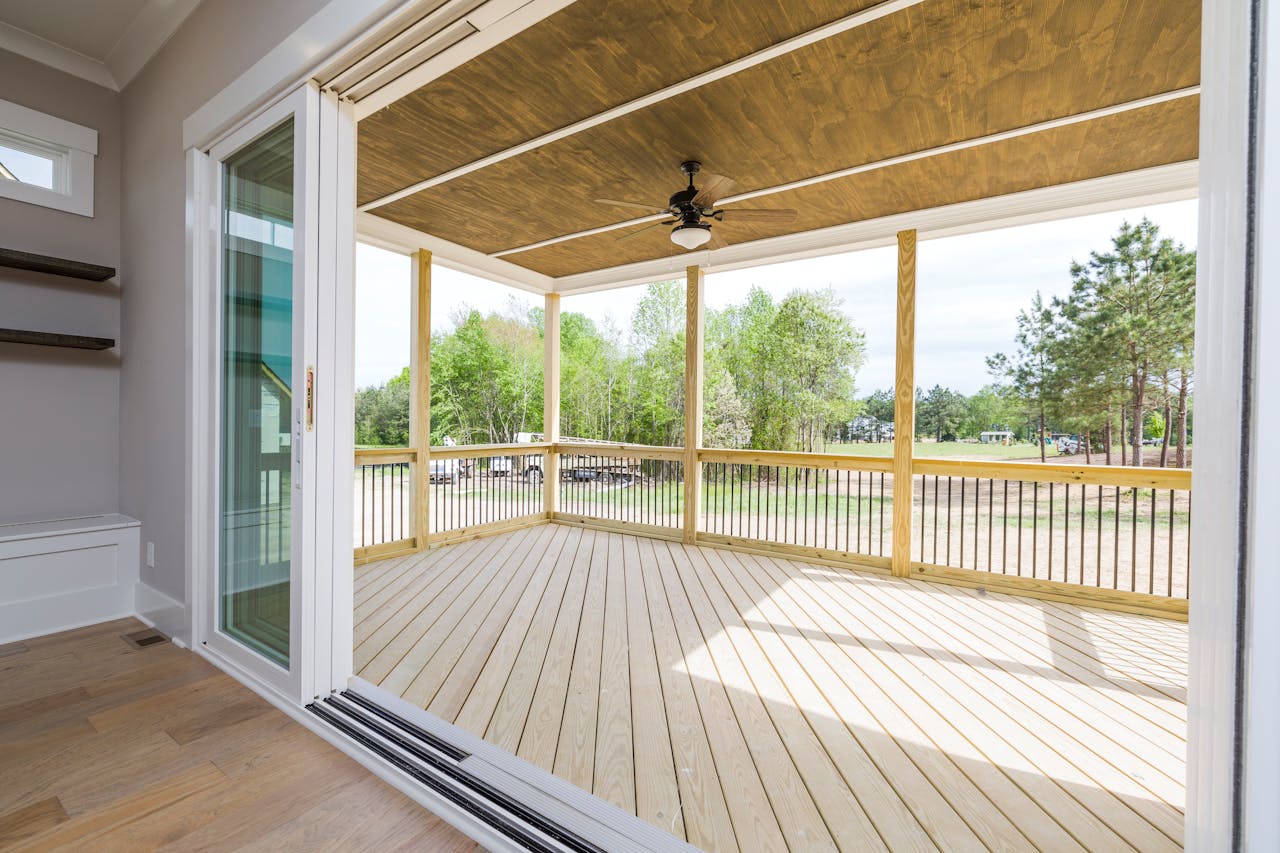
Few household problems are as frustrating as a patio door that refuses to cooperate. A door that once glided open with minimal effort can gradually begin dragging, sticking, scraping, or jumping off its track. At first, it may seem like a minor inconvenience, but forcing the door open day after day can place additional strain on the rollers, track, frame, and locking hardware. Eventually, a simple maintenance issue can turn into a more complicated repair.
The good news is that most sliding-door problems have identifiable causes. Dirt, worn rollers, poor alignment, damaged tracks, and neglected maintenance are among the most common reasons a door stops moving smoothly. Understanding how these parts work together makes it easier to address the problem before it worsens. In many cases, a careful inspection and a few practical adjustments can restore smooth operation without replacing the entire door.
Start by Identifying What Is Causing the Problem
The first step is to pay attention to how the door behaves. A door that sticks at the same point every time may be encountering debris or damage in a specific section of the track. A door that feels heavy throughout its movement may have worn or dirty rollers. If the panel appears uneven or one side sits lower than the other, an alignment problem may be preventing the rollers from sitting correctly on the track.
It is also important to avoid assuming that the visible track is always the only source of the problem. The rollers beneath the door carry much of the panel's weight and allow it to move along the track. When they become clogged, worn, seized, cracked, or misaligned, the door may drag even when the track looks relatively clean. This is why a thorough inspection should consider both the track and the roller system.
A useful approach is to open and close the door slowly while watching and listening for changes. Grinding, scraping, bouncing, or a sudden shift in resistance can provide clues about the underlying issue. If the door repeatedly comes off track, simply lifting it back into place may not solve the problem. The underlying cause should be corrected to reduce the risk of repeated derailment and further damage.
Clean the Track Thoroughly Before Making Adjustments
Dirt and debris are among the most common reasons patio doors begin sticking. Outdoor areas naturally bring in dust, sand, leaves, pet hair, and other particles. Over time, these materials collect inside the track and create resistance beneath the rollers. Even a relatively small buildup can interfere with smooth movement.
Begin by opening the door and vacuuming the accessible sections of the bottom track. A crevice attachment can help remove loose debris from narrow channels and corners. After vacuuming, use a small stiff brush or old toothbrush to loosen compacted dirt. A mild cleaning solution and damp cloth can then be used to remove remaining grime, followed by thorough drying.
Cleaning should also include checking for hardened residue from old lubricants. Heavy oils and greases can trap dirt and eventually create a sticky buildup. Many maintenance guides recommend using an appropriate silicone-based or dry lubricant because these products can support smooth movement without attracting as much debris as heavier petroleum-based lubricants. Always follow the door manufacturer's maintenance recommendations when choosing and applying a lubricant.
Check the Rollers for Dirt, Wear, and Damage
If cleaning the track does not solve the problem, the rollers deserve closer attention. These small components are easy to overlook because they are largely hidden beneath the door panel, yet they play a central role in how smoothly the door moves. Dirt, corrosion, flat spots, and general wear can prevent the rollers from turning freely.
Depending on the door design, it may be necessary to adjust the rollers or remove the panel to inspect them properly. Patio door panels can be heavy, so removal should be done carefully and, where appropriate, with another person available to help support the door. Once the panel is safely removed according to the manufacturer's instructions, inspect the rollers for visible damage or accumulated debris.
A roller that is simply dirty may be cleaned and lubricated. However, rollers that are cracked, bent, severely worn, or unable to turn smoothly may need replacement. Matching replacement parts to the existing hardware is important, as roller assemblies vary by door manufacturer and model. Addressing worn rollers early can help prevent additional stress on the track and frame.
Adjust the Door So It Sits Properly on the Track
A patio door can also stick or derail because it is no longer sitting evenly within its frame. Over time, normal use and minor movement can affect the position of the panel. Most sliding doors include roller adjustment screws near the bottom of the movable panel, allowing the height of the door to be adjusted.
Small adjustments can raise or lower the panel so that both sides sit more evenly on the track. The goal is not simply to make the door easier to move. Proper alignment also helps maintain consistent gaps around the frame and can improve how the locking mechanism meets its strike. Because adjustment directions can vary by manufacturer and model, it is wise to check the door's instructions before making significant changes.
Make adjustments gradually and test the door after each change. Turning an adjustment screw too far can create a new alignment problem or place uneven pressure on the rollers. A patient approach usually produces better results than making several large adjustments at once. If the panel still sits unevenly after adjustment, there may be a damaged roller, bent track, or frame issue requiring further inspection.
Inspect the Track for Bends and Other Damage
A clean track is not necessarily a healthy track. Aluminum and other track materials can become dented, bent, corroded, or worn after years of use. A raised edge or damaged section can interfere with the rollers and cause the door to drag or jump unexpectedly.
Inspect the entire length of the track for visible irregularities. Pay particular attention to locations where the door consistently catches or comes off track. Minor imperfections may sometimes be repairable, but significant bends or structural damage may require replacement of the affected track or professional service. Continuing to force the door across a damaged track can accelerate wear on the rollers and other hardware.
This inspection is especially important for older doors. Components that have been exposed to weather, frequent foot traffic, moisture, and years of movement can gradually deteriorate. A smooth track surface gives the rollers a stable path to follow, while a damaged track can repeatedly pull the door out of proper alignment.
Prevent Future Problems With Regular Maintenance
Once the door is moving smoothly again, regular maintenance can help keep it that way. Tracks should be checked periodically, particularly after seasons when wind, rain, or frequent outdoor activity bring additional dirt inside. Vacuuming loose debris before it becomes compacted is a simple habit that can reduce unnecessary wear.
It is also worth checking the door's movement occasionally rather than waiting until it becomes difficult to open. A slight scraping sound, uneven movement, or change in how the door closes can signal a developing issue. Early adjustments are generally easier than dealing with a door that has repeatedly derailed or damaged its track.
Well-maintained sliding patio doors are more comfortable to use and can place less strain on their mechanical components over time. Cleaning the track, inspecting the rollers, maintaining proper alignment, and responding to small problems early can make a noticeable difference in the door's long-term performance. Manufacturer-specific care instructions should always take priority when they differ from general maintenance guidance.
Know When Professional Help Is the Better Choice
Many sticking-door issues can be addressed through basic cleaning and adjustment, but some situations require professional attention. An extremely heavy door that repeatedly falls off track, has a visibly damaged frame, or contains cracked glass should not be forced. Likewise, significant track damage or a door panel that cannot be safely removed should be handled with appropriate expertise.
Professional help may also be useful when replacement rollers are difficult to identify or when repeated adjustments fail to keep the door aligned. Older doors can have hardware that is no longer straightforward to match, and an incorrect replacement part may create additional problems rather than solving the original one.
Knowing when to stop is an important part of effective home maintenance. A patio door is a large, heavy moving component, and forcing repairs without the proper support or understanding can cause injury or damage. When the cause is unclear, or the door appears unsafe, a qualified door or window professional can assess the complete system and recommend the most appropriate repair.
Conclusion
A sticking or off-track patio door can make an otherwise useful feature of the home feel like a daily frustration, but the problem is often more manageable than it first appears. Starting with a thorough cleaning, checking the rollers, correcting alignment, and inspecting the track can help identify the source of the issue and restore smoother movement. The key is to address the cause rather than repeatedly forcing the door to move.
Regular attention can also help prevent small problems from becoming expensive repairs. By keeping the track clean, monitoring the rollers, making careful adjustments, and seeking professional help when the problem goes beyond basic maintenance, homeowners can keep their patio doors operating more safely and reliably. A door that glides smoothly is not just easier to use—it is a sign that the components supporting it are working together as they should.