Prelisting Home Repairs a Handyman Can Tackle Before You Go Live
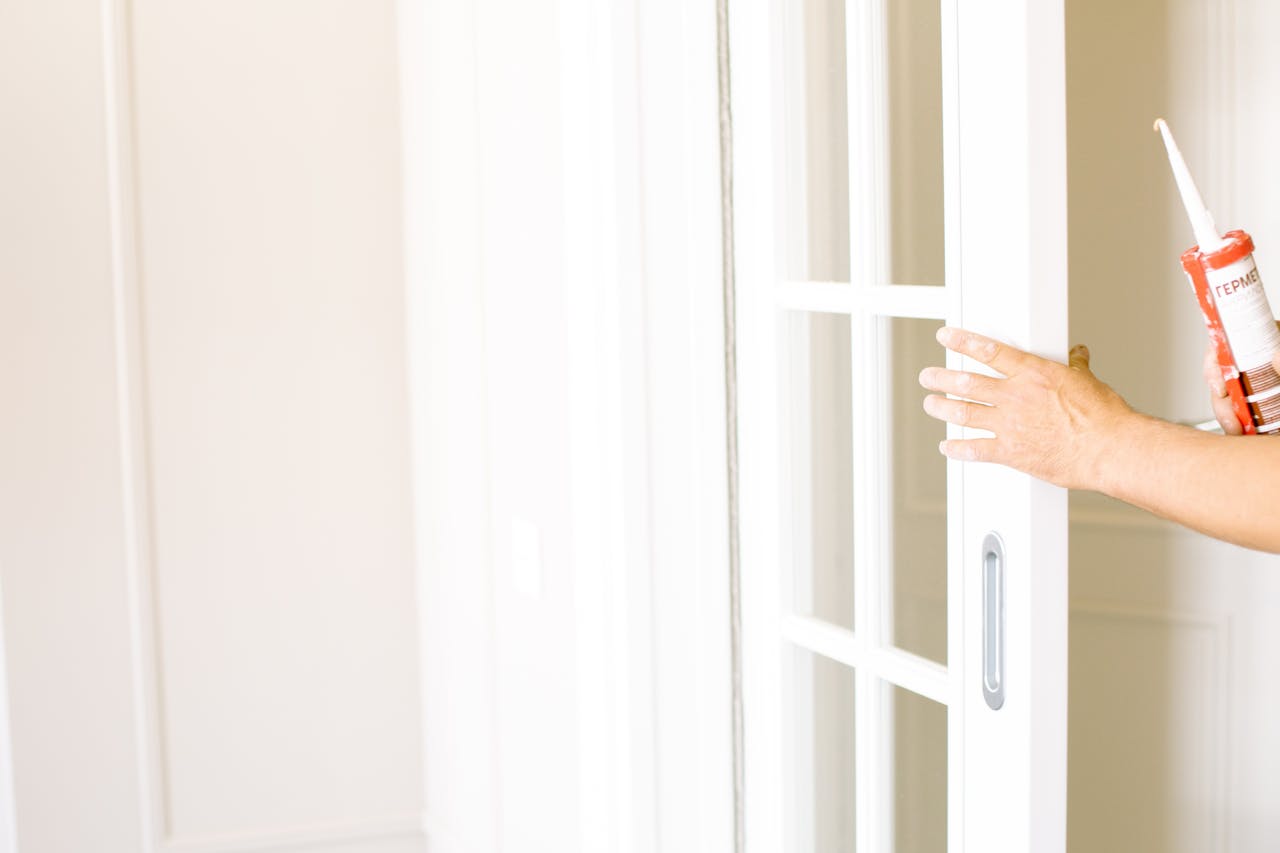
Buyers and inspectors both notice the same kinds of issues: doors that stick, faucets that drip, outlets that do not reset, and finishes that look tired in listing photos. Addressing these small but visible problems before your home hits the market can shorten your time to offer and reduce inspection negotiations. This article focuses on targeted, practical repairs a handyman can complete quickly, why each item matters to an inspection or showing, and how to time the work around staging and cleaning. Rather than remodeling rooms, you will zero in on safety items, basic function, and surfaces that photograph well. Done right, you create a home that feels well cared for, with fewer easy callouts for an inspector and fewer doubts for a buyer.
Start with a walkthrough and create a punch list room by room, noting anything you can hear, see, or operate by hand: switches, latches, drains, caulk lines, and trim. Many owners then group related tasks and schedule a single visit with a local handyman, such as Proper Hour Home Service, to handle electrical safety updates, minor plumbing leaks, and cosmetic tune-ups in one block of time. Batching saves setup time, keeps tools on site for related fixes, and helps you complete prep before photos are taken.
Repairs That Commonly Appear on Inspection Reports
Inspectors often flag missing or nonfunctional GFCI protection in kitchens, bathrooms, garages, and exterior outlets. Replacing a standard receptacle with a GFCI outlet or adding a GFCI breaker in the panel is a straightforward fix that addresses a frequent safety callout. Water heater details are another hot spot: ensure the temperature and pressure relief valve has a proper discharge pipe to the floor and that the tank's seismic strapping or support is intact where required. These items are small but signal to buyers that safety boxes are checked.
Note: Licensing rules vary by state. In Massachusetts, for example, panel work like adding a GFCI breaker generally requires a licensed electrician, and plumbing repairs a licensed plumber, so check what a handyman can legally do before you book.
Loose toilets, dripping P-traps, and wobbly handrails also generate easy dings. A rocking toilet can often be stabilized with new closet bolts and a wax ring, preventing movement that suggests a leak. P-trap joints under vanities can be resealed with fresh washers, and a steady hand can secure stair handrails with longer screws into studs. Working smoke and carbon monoxide detectors with fresh batteries round out a quick safety sweep. The relationship is simple: fewer simple safety and function flags mean fewer back-and-forth requests after the inspection.
First Impression Fixes at the Door and Driveway
The approach to your home frames everything that follows in a showing. Replace burned-out porch bulbs and clean the fixture glass so the entry looks bright in twilight photos. Confirm your doorbell works, adjust the deadbolt so it turns smoothly, and replace torn weatherstripping that shows daylight around the jamb. Subtle upgrades like legible house numbers and a straight, secure mailbox make the property feel maintained before a buyer even steps inside.
Look where eyes and feet go next. Fill small trip hazards in the walkway with exterior-grade patch, and recaulk cracks where trim meets siding using a paintable, exterior-rated sealant. A scuffed front door benefits from light sanding, primer at any bare wood, and a fresh coat of durable paint. That small sequence reduces flaking in close-up listing shots and keeps the first tactile impression positive when the latch clicks firmly, and the threshold feels solid underfoot.
Small Systems Checks That Avoid "Operational” Callouts
Operational notes on reports add up: windows that do not latch, sliding doors that grind, or range hood lights that fail can create a sense of deferred maintenance. Clean window tracks and lubricate with a silicone spray, then adjust strike plates so sashes and interior doors latch without forcing. For sliders, vacuum debris from the track, replace worn rollers, and check the foot lock. In the kitchen, swap a worn faucet cartridge to cure a slow drip and remove aerators for a vinegar soak to improve flow. Replace the HVAC return filter so an inspector does not record a clogged filter restricting airflow.
Consider two realistic scenarios. In a 1950s bungalow, several interior doors no longer catch after seasonal movement. A handyman can chisel mortises slightly and shift strike plates a few millimeters, which feels trivial day to day but tells buyers the home functions as a system. In a third-floor condo, a sticking balcony slider and a dribbling pullout sprayer frustrate showings. Cleaning the track, installing new rollers, and swapping the sprayer head can restore smooth operation that buyers notice as they step out to view the skyline.
Paint, Caulk, and Finish Work That Photograph Well
Listing photos compress a lot into tiny rectangles, so uniform surfaces matter more than you think. Patch nail holes and minor dings, then spot-prime repairs to prevent flashing. In high-traffic rooms, a washable eggshell or satin wall finish hides touch-ups better than dead flat paint, while trim looks crisp in a semigloss sheen. If a ceiling has an old water stain from a repaired leak, use a stain-blocking primer before repainting, or the mark may bleed back through and show in high-contrast photos.
Caulk and grout need different treatment. Recaulk movement joints, such as at the seam between the tub and wall and around the shower valve escutcheon, with a mildew-resistant silicone or a quality siliconized acrylic labeled for wet areas. For missing grout between tiles, scrape loose material and regrout with a matching sanded or unsanded formula as appropriate. Do not seal weep holes in shower corners, and do not caulk the bottom edge of siding where drainage is needed. Replace yellowed switch and outlet covers with clean, matching plates, and touch up scuffed baseboards with a brush rather than a roller to keep edges sharp in closeups.
Where Proper Hour Home Service Fits Into Your Prelisting Plan
A single skilled handyman can bundle dozens of punch list items that would otherwise require multiple specialists. That batching works best when you provide a clear scope: note locations of each GFCI to be replaced, identify which windows stick, list every faucet with a drip, and mark grout or caulk spots with tape before the visit. Grouping tasks by room minimizes ladder moves and tool changes, and buying common parts in advance speeds the work. For example, having the correct color silicone, a multipack of outlet covers, extra smoke detector batteries, a variety of cabinet door bumpers, and an assortment of stainless screws on site keeps momentum up.
There is a tradeoff worth weighing. DIY touchups save cash but risk mismatched sheens, smeared caulk, and overzealous fixes that create new problems, such as painting over glossy oil-based trim without sanding and primer. On the other hand, full replacement can overshoot your goal, like installing new kitchen cabinets when tightening hinges, replacing worn drawer slides, and correcting a misaligned strike plate would calm most buyer doubts. Aim for solid function and clean finishes, not a remodel.
Timing Repairs Around Staging, Cleaning, and Showings
Sequence affects results. Schedule work that produces dust first: sanding trim, drilling for door hardware, and scraping loose paint. Then address wet materials that need cure time, such as caulk and fresh paint, so odors dissipate before showings. Bring in deep cleaning next, including degreasing range hoods, scrubbing grout haze, and polishing stainless appliances. Finally, complete light staging and photo day, when uniform switch plates, unscuffed baseboards, and a door that latches with a quiet click will all be captured forever in the listing.
Keep a small show-ready kit on hand: a microfiber cloth for last-minute smudges, a sample jar of touch-up paint with a labeled brush, extra weatherstripping lengths, spare light bulbs in the most common base type, a screwdriver with multiple bits, and a tube of paintable caulk. After you accept an offer, revisit safety and operation: test GFCIs, confirm detectors chirp only on test, replace the HVAC filter again if weeks have passed, and photograph accessible serial plates on major appliances. Tuck receipts for parts and a simple before-and-after list into a folder to show the buyer's inspector what was addressed before listing.
A smart prelisting repair plan is not about hiding flaws. It is about preventing small distractions, clearing easy safety flags, and presenting a home where everyday tasks just work. Replace the outlet that trips, steady the railing that wobbles, seal the caulk line that collects grime, and choose finishes that look consistent in photographs. Focused work at this level can minimize nitpicks, reduce renegotiations driven by trivial findings, and let buyers spend their energy appreciating the layout and light. Start with a realistic punch list, group tasks that share tools and materials, and time the work before staging. The result is a home that feels cared for from the curb to the inspection table.