🏗️ Planning Electrical Layouts for Durable Concrete Structures
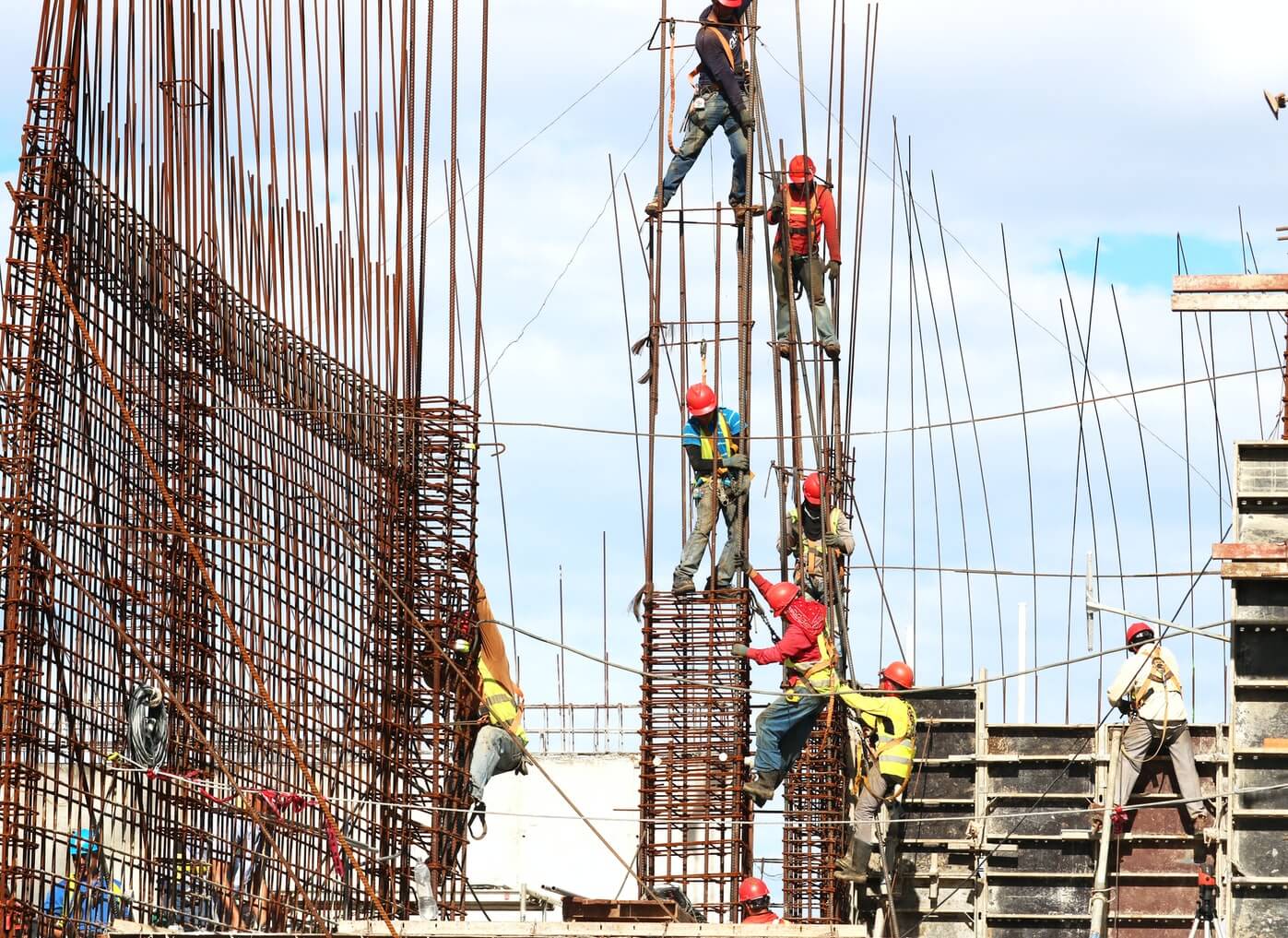
Concrete structures, known for their strength, durability, and fire resistance, are foundational in modern architecture—from high-rise commercial buildings and robust industrial facilities to stylish, minimalist residential homes. However, the very permanence that makes concrete so desirable also presents unique challenges when it comes to electrical planning. Unlike wood-frame construction where wires can be run through studs and joists with relative ease, modifying concrete after it's poured is costly, difficult, and often compromises structural integrity.
Therefore, meticulous, pre-emptive planning of the electrical layout is not just a best practice; it's an absolute necessity for ensuring functionality, safety, and future adaptability in any durable concrete structure.
1. Early Integration is Non-Negotiable
The single most critical aspect of electrical planning for concrete is that it must happen before the concrete is poured.
- Blueprint Perfection: Electrical schematics must be finalized and perfectly coordinated with architectural and structural plans at the earliest design stages. Every outlet, switch, light fixture box, conduit run, and junction box must be precisely located and accounted for.
- Collaboration is Key: Close cooperation between architects, structural engineers, and electrical engineers (and often mechanical and plumbing too) is essential to avoid conflicts. Discrepancies found after the pour can lead to significant delays and expensive demolition.
- Pre-Fabrication and Mock-ups: For repetitive elements in larger projects (e.g., in a high-rise apartment building), pre-fabricating electrical components within rebar cages or formwork sections can enhance efficiency and accuracy.
2. Conduit: The Lifeline Within Concrete
Conduit systems are the backbone of electrical installations in concrete, protecting wiring and allowing for future changes.
- Rigid Conduit (RMC/IMC): Often preferred for its strength and durability, especially where it might be exposed to damage or in critical structural elements.
- Electrical Metallic Tubing (EMT) and PVC Conduit: More commonly used for less demanding applications or where flexibility is needed before the pour. PVC is excellent for damp locations and corrosive environments often found in concrete.
- Sizing and Bending: Conduits must be adequately sized to accommodate the initial wiring and potential future upgrades. Bends need to be carefully planned to allow wire pulling without excessive friction.
- Securing and Sealing: All conduits and boxes must be rigidly secured to the formwork to prevent movement during the pour. Ends must be capped or sealed to prevent concrete slurry from entering and blocking the pathways.
3. Anticipating Future Needs and Accessibility
Because concrete is so difficult to alter, future-proofing is paramount.
- Oversized Conduits & Sleeves: Where possible, run slightly oversized conduits or install empty sleeves to allow for additional wiring or new technologies in the future. This is particularly important for data/telecom and smart building systems.
- Access Points: Plan for accessible junction boxes and pull boxes that remain reachable after the concrete has cured, often integrated into walls or ceilings with removable covers. These are vital for maintenance, troubleshooting, and modifications.
- Floor and Wall Outlets: Consider embedded floor boxes for open-plan areas and plan for sufficient wall outlets, perhaps even exceeding initial needs, to avoid surface-mounted raceways later.
4. Special Considerations for Concrete Environments
Concrete presents specific challenges for electrical components.
- Moisture and Corrosion: Concrete can retain moisture, and certain aggregates can be corrosive. Selecting corrosion-resistant conduit materials (like PVC or galvanized steel) and moisture-resistant boxes is crucial.
- Thermal Expansion: In large concrete slabs, thermal expansion and contraction need to be accounted for in conduit runs, potentially requiring expansion fittings.
- Vibration and Impact: During the concrete pour and subsequent curing, electrical components must withstand significant vibration and potential impact without shifting or breaking.
5. Meticulous Execution and Quality Control
Even the best plans are useless without precise implementation.
- On-site Supervision: Constant supervision during the formwork and concrete pour stages is vital to ensure electrical components remain in their intended positions and are not damaged.
- Testing: Conduct continuity and insulation resistance tests on all embedded wiring and conduits before concrete is poured and again after it has cured to catch any issues early.
- Detailed Documentation: Maintain precise "as-built" drawings that accurately reflect the final placement of all embedded electrical components. This documentation is invaluable for future maintenance and renovations.
By embracing early, collaborative, and precise planning, combined with robust execution, electrical layouts in durable concrete structures can be seamlessly integrated, providing safe, reliable, and adaptable power for generations to come.
Important Note: All electrical work should adhere strictly to local building codes and be performed by qualified, licensed professionals.
Published 12/01/25