Pavers vs Slabs for a Patio: How to Choose the Right Surface
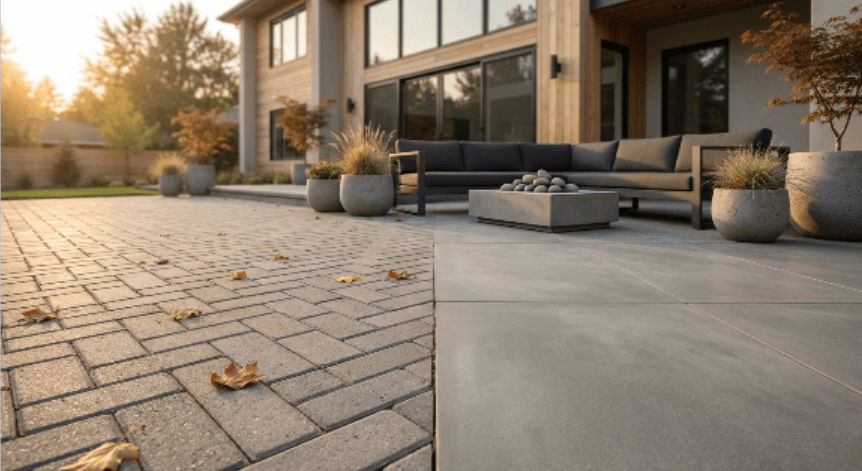
Choosing between pavers and slabs is one of the first decisions homeowners face when planning a patio. Both materials shape how the space looks, how it holds up to weather, and how much upkeep it needs over the years. This guide breaks down the real differences between the two, from durability and installation to cost and long-term value, so you can pick the surface that fits your yard and your lifestyle.
Understanding Patio Pavers and Slabs
Pavers and slabs both create a finished patio floor, but they differ in size, thickness, and how they spread weight. Understanding what sets them apart makes the rest of the comparison easier to follow.
The hardest part of any patio project is picking a surface that stays beautiful through years of weather and use. For homeowners who want lasting durability without constant upkeep, manufacturers like Techo-Bloc offer patio pavers engineered to resist fading, staining, and freeze damage. That kind of long-term reliability keeps the patio looking sharp season after season, so you spend more time enjoying the space and less time maintaining it.
What Are Patio Pavers?
Patio pavers are small, individual units laid tightly together over a compacted base. Each unit locks against its neighbors, which spreads pressure across the surface and lets the patio flex slightly with the ground instead of cracking. Manufacturers cast them from concrete in a wide range of shapes, colors, and textures, so you can build anything from a classic running-bond layout to an intricate herringbone pattern. Their small format also makes them easy to lift and replace when a single unit gets stained or damaged.
What Are Patio Slabs?
Patio slabs are larger, flatter units that cover more ground with each piece. Their broad surface creates a clean, modern look with fewer joint lines, which many homeowners prefer for contemporary designs. Because each slab spans a wider area, it relies on a well prepared, level base to carry weight evenly. Slabs suit lighter traffic zones like lounging patios, garden paths, and poolside decks, where their large format shows off texture and color.
Which Option Is More Durable for a Patio?
Durability depends less on the label paver or slab and more on how each unit handles pressure, moisture, and temperature swings. Here's how the two compare where it matters most.
How Do Pavers and Slabs Handle Freeze-Thaw Cycles?
Freeze-thaw cycles are the toughest test for any patio surface in a cold climate. Water seeps into joints and pores, freezes, expands, and pushes materials apart over repeated winters. Interlocking pavers manage this stress well because their sanded joints allow slight movement and drainage, so the surface shifts as a unit rather than fracturing. Quality slabs are engineered to resist the same cycles, though their larger span means the base beneath them must drain properly to prevent pooling and heaving. Premium concrete products are built to withstand repeated freeze-thaw exposure, which is why they outlast poured concrete in northern regions.
Which Resists Cracking and Shifting Better?
Cracking usually starts when a rigid surface can't move with the soil below it. Pavers have the advantage here, since their many small joints absorb ground movement and keep individual units intact. Slabs, with fewer joints and a larger footprint, lean more on the base, so a poorly compacted foundation can lead to rocking or uneven settling. When both sit on a properly prepared base, they hold up for decades, but pavers give you more forgiveness on ground that shifts with the seasons.
Comparing Installation and Design Options
Installation effort and design freedom often tip the decision one way or the other. Both factors come down to unit size and how the pieces fit together.
Which Is Easier to Install?
Installation difficulty scales with unit weight and layout complexity. Slabs cover more area per piece, so a patio can go down faster once the base is ready, but each slab is heavy and awkward to move, which usually calls for 2 people or lifting equipment. Pavers are lighter and simpler to handle individually, though setting hundreds of small units into a pattern takes more time and patience. Either way, base preparation matters most, and hiring a certified installer protects the investment on larger projects.
Which Offers More Design Flexibility?
Design flexibility comes from the range of sizes, colors, and patterns each format allows. Pavers win on intricate detail, since their small units can form borders, curves, and multi-color patterns that add visual interest. Slabs deliver a sleek, uncluttered look with long clean lines, which fits modern homes and open layouts. Many homeowners combine the two, using slabs for the main lounging area and pavers for borders or accents, to get both a contemporary feel and custom detailing.
What About Cost and Long-Term Value?
Budget shapes most patio decisions, but the smartest comparison looks beyond the first invoice. Here's how the two stack up upfront and over time.
How Do Upfront Costs Compare?
Upfront cost depends on material quality, unit size, and how much labor the layout demands. Slabs can trim labor time because fewer pieces cover the same area, while detailed paver patterns add hours to installation. Premium concrete products cost more at the start than poured concrete or budget precast, and that reflects the engineering and finish that go into them. Rather than chasing the lowest quote, it helps to weigh what each surface will cost to maintain and repair down the road.
Which Saves More Over Time?
Long-term value is where quality materials earn their price. A premium paver or slab surface resists staining, fading, and freeze damage, so you avoid the recurring patching and resurfacing that plague cheaper options. When a single paver does get damaged, you can lift and swap it without redoing the whole patio, which keeps repair costs low. Slabs use the same spot repair approach, though matching a large unit takes more care. Spending more upfront on a durable surface often pays off through years of low maintenance and fewer replacements.
Choosing the Right Patio Surface for Your Project
The right choice comes down to how you'll use the space and the look you want. Pick pavers if you value intricate patterns, easy spot repairs, and extra forgiveness on shifting ground. Choose slabs if you prefer a clean, modern surface with fewer joint lines for a lounging or poolside area. For many patios, a blend of both delivers the best of each. Whichever you choose, a durable, well installed surface protects your investment and keeps the patio looking sharp season after season.
Frequently Asked Questions About Pavers and Slabs for Patios
Can You Mix Pavers and Slabs on the Same Patio?
Yes, mixing the two is a popular design move. Homeowners often set slabs as the main surface and use pavers for borders, accents, or transition zones. The key is choosing products from the same manufacturer or collection so colors, thickness, and texture line up cleanly.
Are Pavers or Slabs Better for a Small Patio?
Both work well on a small patio, but the effect differs. Large slabs can make a compact space feel more open because they cut down on joint lines. Pavers let you add detail and definition, which suits a cozy, textured look. Your design goal matters more than the patio's size.
Do Patio Pavers and Slabs Need Sealing?
Sealing is optional but helpful. A sealer guards against stains, deepens color, and makes routine cleaning easier, especially in high-use areas. Many premium concrete products carry a factory finish that resists spills, so check the manufacturer's guidance before adding your own sealer.