Important Factors To Consider Before Installing Bollard Posts
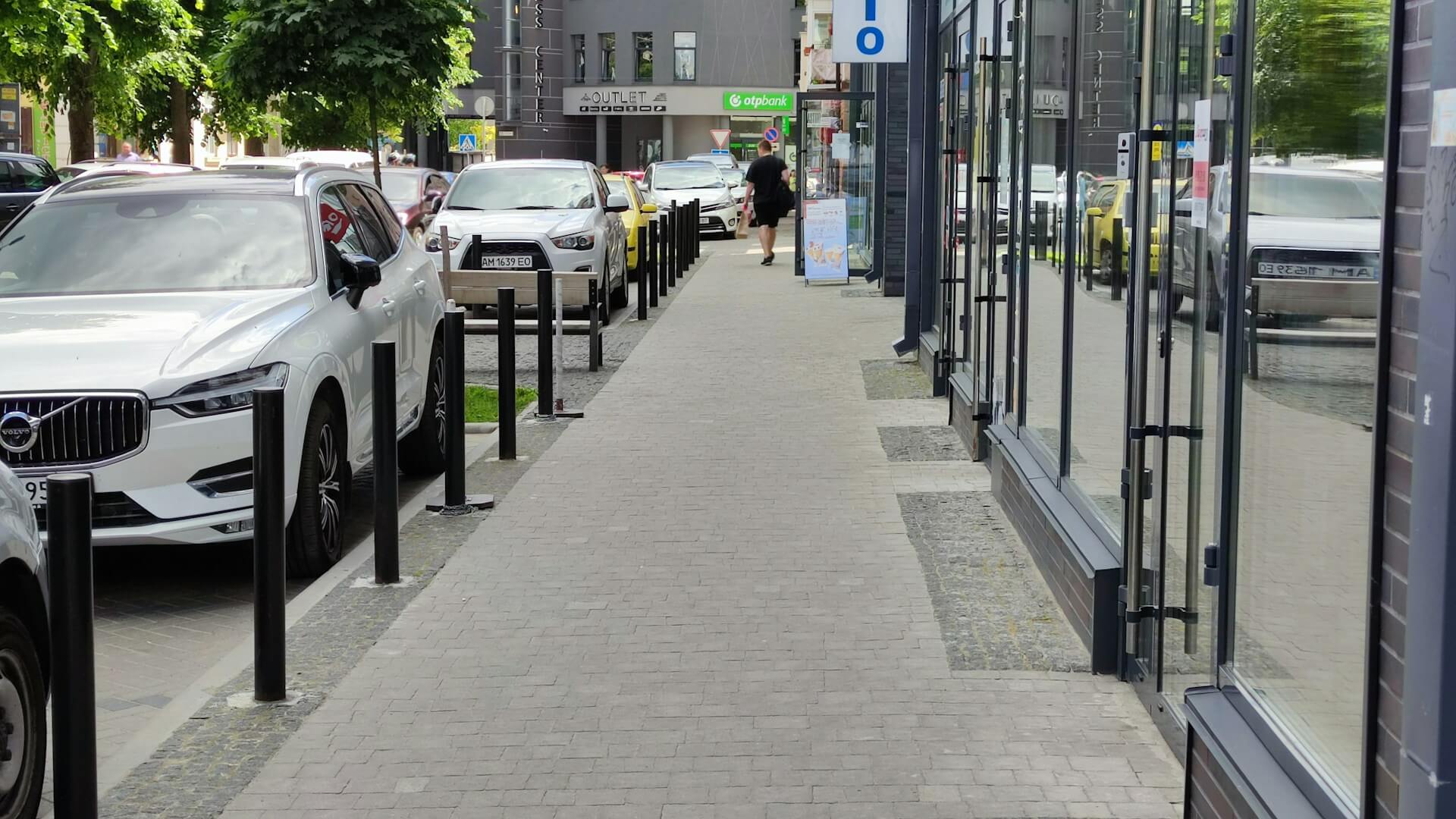
Bollard posts play an important role in protecting pedestrians, buildings, vehicles, and other valuable property.
However, choosing and installing them requires more thought than simply placing barriers around a particular area. The incorrect type, inadequate spacing, or lack of a suitable mounting surface can reduce their functionality and cause inconveniences to people using the space.
You also must examine the movement of the vehicles, the visibility of the posts, and the amount of maintenance they need. These choices may impact safety and long-term costs.
Therefore, understanding your requirements before installation can help you avoid costly adjustments later.
Here are five important factors to consider when planning a bollard installation.
1. Identify the Purpose and Level of Protection Required
Before choosing a bollard post, think about what you need to protect.
There are various locations with different safety requirements. A parking lot can require posts to direct cars and protect pedestrian paths. They may be required in a commercial building around entrances, loading areas, or outdoor equipment. Being aware of your goal helps in selecting the right bollard and method of installation.
Then, think about how much protection you require. Some bollards guide traffic and mark off restricted areas. Others act as powerful obstacles to passing vehicles. To make the right choice, consider the types of vehicles that use the area, their speed, and the risk of an accident.
You should also understand the difference between fixed and flexible bollards. Fixed steel bollards stay in place and provide a firm barrier. Flexible bollards may bend when hit and then return to their original position. Some designs use a steel spring that enables the post to move in various directions. This movement can help minimize harm to the post, vehicle, and pavement in the nearby area in cases of minor impacts.
However, Flexible bollards do not provide the same protection as crash-rated barriers. If you have to stop a fast-moving car, then use a barrier with the appropriate safety rating. Matching the bollard to the risk is key to getting the protection you need.
2. Check Placement, Spacing, and Accessibility
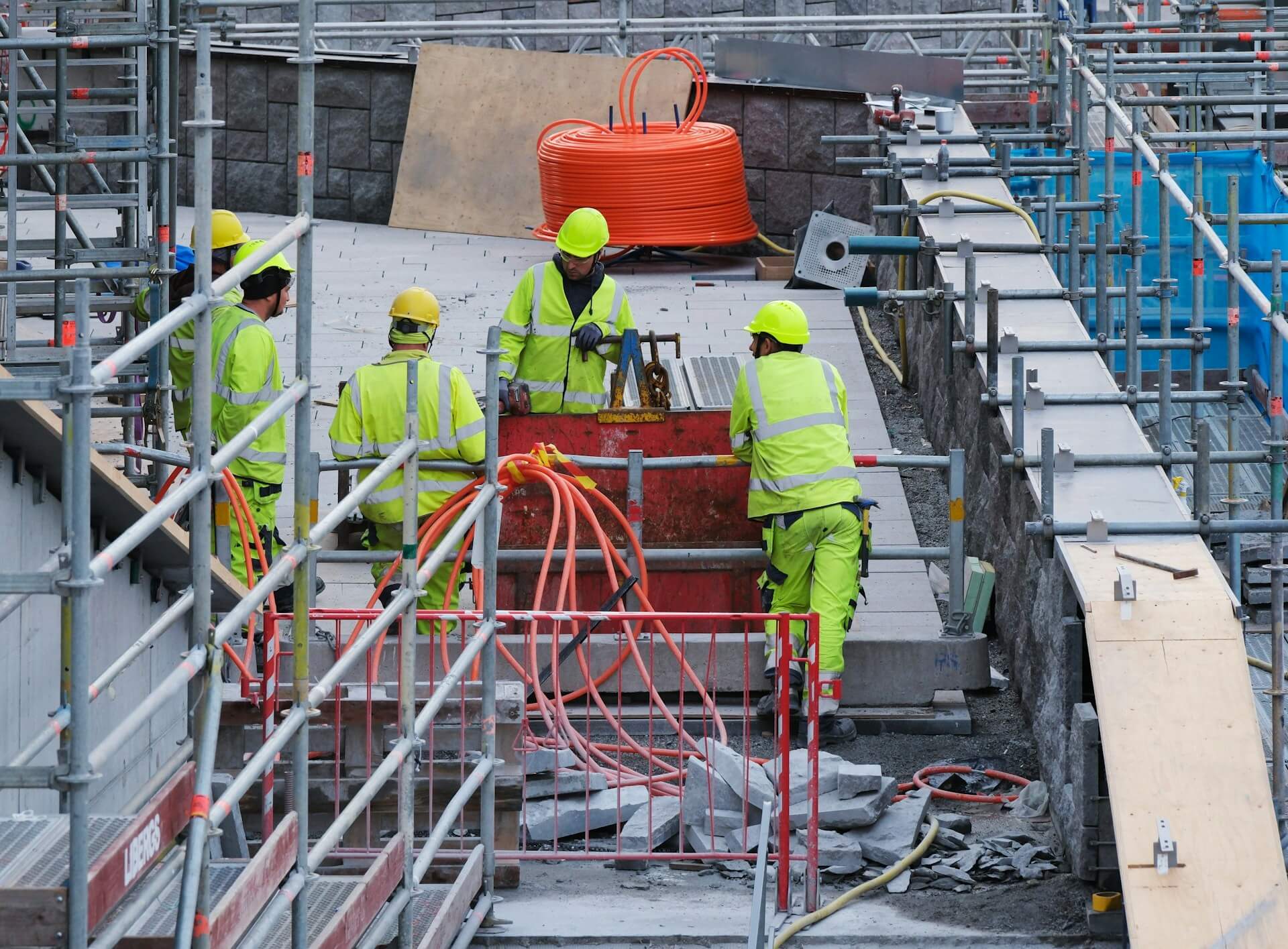
Once you know what you need to protect, plan where the bollards should go. Their position influences their ability to drive cars and safeguard people. Go around the site and see where additional protection is required. These can be building entrances, walkways, parking areas, and outdoor equipment.
Next, check the space between each post. When the distance between bollards is too large, a vehicle can drive between them. When they are close to each other, they can block the movement of people or cars. Calculate the area and consider the size of vehicles that have to pass through.
At the same time, keep accessibility in mind. People in wheelchairs, strollers, or other moving devices require space to move freely. Clear access may also be required by delivery trucks, service vehicles, and emergency teams. Your layout should protect the area without blocking these routes.
Before installation, mark the planned positions on the ground. This helps you check the layout and identify potential issues. You can check the turning space, door access, and nearby drains. Changes can be made before the posts are fixed in place.
3. Check the Ground and Mounting Requirements
Even a strong bollard may not work as expected if it is fixed to a weak surface. Always check the ground, then select how to install it. Concrete, asphalt, and other paving materials have different strengths. Different types of anchors may be required on each surface.
For example, certain flexible bollard systems have concrete or asphalt hardware mounted on a square plate. However, the right anchors depend on the surface and the product's installation guide. If the ground is broken, uneven, and damaged, repair it before setting up the posts.
Surface mounting and in-ground installation are another choice that you need to make. Surface-mounted bollards have a base plate and anchor to hold the post in place. In-ground models require support and a hole below the surface. Space and setup requirements are different in each method. Select the one that fits your site and safety goals.
Before drilling, identify underground pipes, power lines, and drainage systems. Review site plans and schedule utility checks where necessary. This simple step can help prevent damage and costly repairs.
4. Consider Material, Flexibility, and Durability
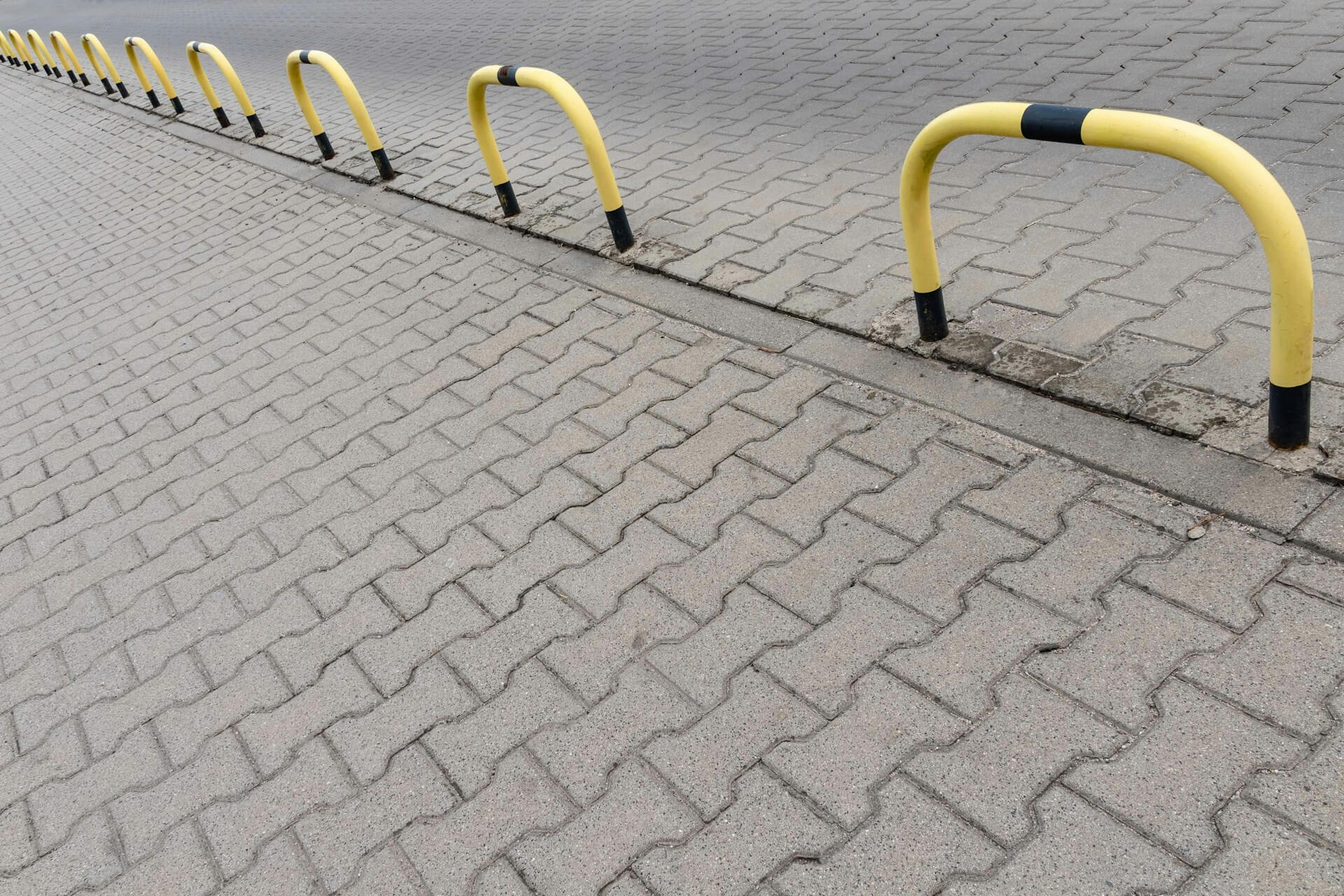
The material of a bollard affects how well it handles daily use and harsh weather. Steel is a common choice because it is strong and works well in many commercial and industrial areas. However, you should also check the wall thickness, build quality, and expected impact level.
For areas with regular vehicle movement, flexible bollards may be a useful option. Some designs use a carbon steel torsion spring that lets the post bend when hit. This helps the post move instead of staying fully rigid. It may also reduce damage from minor vehicle contact. However, actual performance depends on the design and test results.
Weather is another factor to consider. Outdoor bollards must handle rain, sunlight, strong winds, and changes in temperature. Check the product details to see how the material and mounting parts hold up in local weather. You should also consider whether the finish needs regular painting or repair.
In addition, think about upkeep. Some bollards have durable covers that do not need regular painting. This can save time when you have several posts across a large site. Still, check the posts, covers, springs, and anchors from time to time. Early checks can help you find loose parts or signs of wear before they become bigger problems.
5. Focus on Visibility, Design, and Future Upkeep
Bollards should be easy for drivers and pedestrians to see. Choose colors that stand out from the ground and nearby buildings. Bright yellow is a common choice for parking lots and work areas because it is easy to spot against dark surfaces.
For areas with poor lighting, consider reflective bands or other features that improve visibility. These can help drivers see the posts at night or in bad weather. However, reflective features should work alongside proper lighting and clear road markings.
You should also think about how the bollards will look on your property. A business may choose colors that match its building, while a busy parking area may need brighter posts. Some bollard covers also allow custom graphics, such as company logos. This can help keep the area safe while supporting a clear site design.
Once the posts are installed, check them on a regular basis. Look for cracks, rust, damaged covers, loose anchors, or movement near the base. Flexible bollards also need checks to make sure their springs and moving parts work as intended. Fixing small issues early can help prevent costly repairs.
Conclusion
Installing bollard posts takes more than choosing a design and fixing it to the ground. You need to consider the level of protection, post placement, ground type, material, and visibility. Each factor plays a part in safety and daily use.
By planning ahead and following the right installation steps, you can choose suitable bollards, avoid common problems, and protect your property for years to come.