How Much Does Electrical Wiring Cost Per Square Foot?
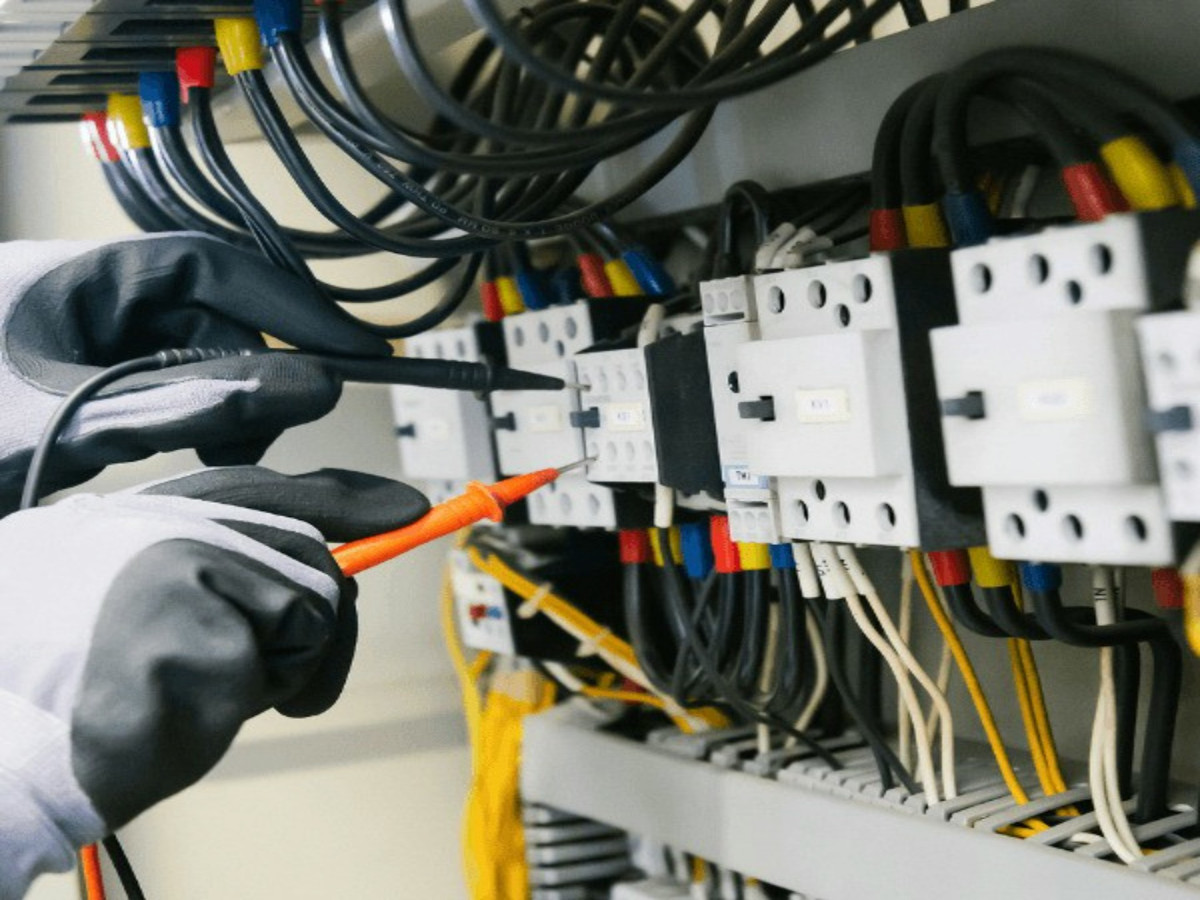
Evaluating electrical wiring cost requires deep knowledge of advanced systems. It is the system of wires that gives electrical power to all the devices in the home. Many homeowners ask a simple question before starting any construction: how much does electrical wiring cost per square foot? This answer depends on several factors.
The factors include whether you are building a new home or rewiring an existing one. The final price depends on the labor and materials. It also depends on the accessibility of the electrical panel. Plus, the overall complexity of the project.
Let us give you a quick breakdown of costs.
Quick Breakdown
| Project Type | Cost Per Square Foot |
|---|---|
| New construction wiring | $4–$9 |
| Rough-in only | $2–$4 |
| Whole-house rewiring | $5–$17 |
| Commercial wiring | $7–$15 |
Why Square Foot Pricing Is Only Half of the Story
Most people use a square foot-based estimate of electric cost. It provides a quick budget estimate. But professional electricians rarely calculate their prices using the square foot method.
They consider several other factors. These factors include:
- Amount of wiring required
- Number of electrical outlets
- Switches, lighting fixtures
- Dedicated circuits
- Capacity of the electrical panel
Top companies like SMA Estimating LLC provide the best takeoff services to calculate the total material needed for the project. Labor is especially considered before estimating the total cost.
Every home has a different layout. That is why every building has its own unique cost estimate. Two houses with the same square footage can receive completely different estimates.
A single-story home with an open floor plan will have a completely different cost estimate for the wiring as compared to a house with two stories and narrow walls and plaster ceilings. Even though both homes have the same floor area, the second will need more labor, hence increasing the total cost.
So, the homeowner should treat square foot pricing as a general guide rather than the final project cost.
Rewiring an Existing House: Why It Costs So Much
Rewiring an existing home is more expensive than wiring a new house. The average rewiring project costs between $5 and $17 per square foot. It depends on the home's condition.
Some reasons are as follows:
Wall Access
Electricians cannot run wires through open walls. They need to remove old wires and work around finished walls. They sometimes need to cut drywall to install new cables. Damaged walls need patching and repainting afterwards. It increases the overall cost.
Older Homes
Older homes built before the 1950s cost more. These houses contain knob-and-tube wiring. The outdated wiring does not include grounding protection and hence needs extra work to be done.
Panel Capacity
Old houses have a small electrical panel. It cannot support today's electrical demand. To install large electrical panels, more wiring and hence a higher budget are required.
Story Count
The number of stories also affects the cost. Multi-story homes need longer cable runs. It also needs more labor.
Commercial Electrical Wiring Cost Per Square Foot
Commercial electrical work is more expensive. This is because it has a more complex electrical system. Standard office buildings cost between $7 and $15 per square foot. Hospitals and manufacturing facilities cost around $20 per square foot.
Commercial projects should follow a strict electrical code. They need a large service panel and emergency lighting.
Commercial systems also include low-voltage systems such as security cameras and networking cables. Requires extra wiring. Always confirm what exactly is included before comparing multiple bids.
The wise decision is to get reliable construction cost estimating services because their estimates are up-to-date.
What Actually Moves Your Price Beyond Square Foot
Many homeowners only focus on the cost per square foot. Other factors can increase or decrease the final price:
Wire Type
The type of wire has a direct effect on the overall project cost. Many residential homes use Romex cable. It is affordable and easy to install. Some buildings need conduit wiring for added protection, as used in commercial projects. Material prices change over time. Copper is the main material in electrical wiring. Its price fluctuates throughout the year. It also affects the overall budget of any project.
Labor Rates
Labor is one of the largest expenses in an electrical project. Electricians charge differently according to their experience and work. Their charges can increase depending on location. A project in a large city costs more than a smaller town. The complexity of installation can also affect the labor cost.
Older homes need more experienced labor. Hiring a licensed electrician can also increase the expenses.
Permits and Inspections
To approve electrical projects, you need permits. Local authorities verify that the installation follows electrical safety regulations.
Some homeowners try to avoid these costs. But it can create serious problems later. Unapproved electrical work can affect the insurance claim. It can also delay the property sale.
Panels and Service Upgrade
Electrical wiring is one of the parts of your home's electrical system. The electrical panel must be able to handle the new electrical load. Older homes have small electrical panels. They can only handle fewer electrical appliances. A small panel cannot manage appliances such as air conditioners, electric ovens, and other heavy electrical appliances. So the panel needs an upgrade. This can increase the project cost.
What Things to Avoid
Experienced Electrical Estimating Services are developed on the basis of current market conditions. Experts are trained to avoid common mistakes that help them deliver spot-on estimates.
Some common mistakes to avoid are:
- Comparing a full cost with a rough quote
- Ignoring wall repair cost
- Assuming the whole house needs rewiring
- Skipping permits
- Overlooking accessibility
Conclusion
Electrical wiring cost depends on the size of the project. Rewiring an existing home costs more than wiring a new home. Many other factors also affect the total electrical wiring cost. Request a detailed cost quote from licensed electricians instead of relying on the average square foot price. Ask electricians to include each factor involved in the wiring project. Always make sure that your electrical system is safe and built to last.
Frequently Asked Questions
Is rewiring an old house worth the cost?
Yes. Rewiring enhances the safety of the house. It also increases the value of your home.
Can I reduce electrical wiring costs?
Yes. Planning the project early, keeping wiring accessible during renovations, and comparing multiple contractor quotes can help lower overall costs.