7 Handrail Styles That Make Staircases Safer and Stylish
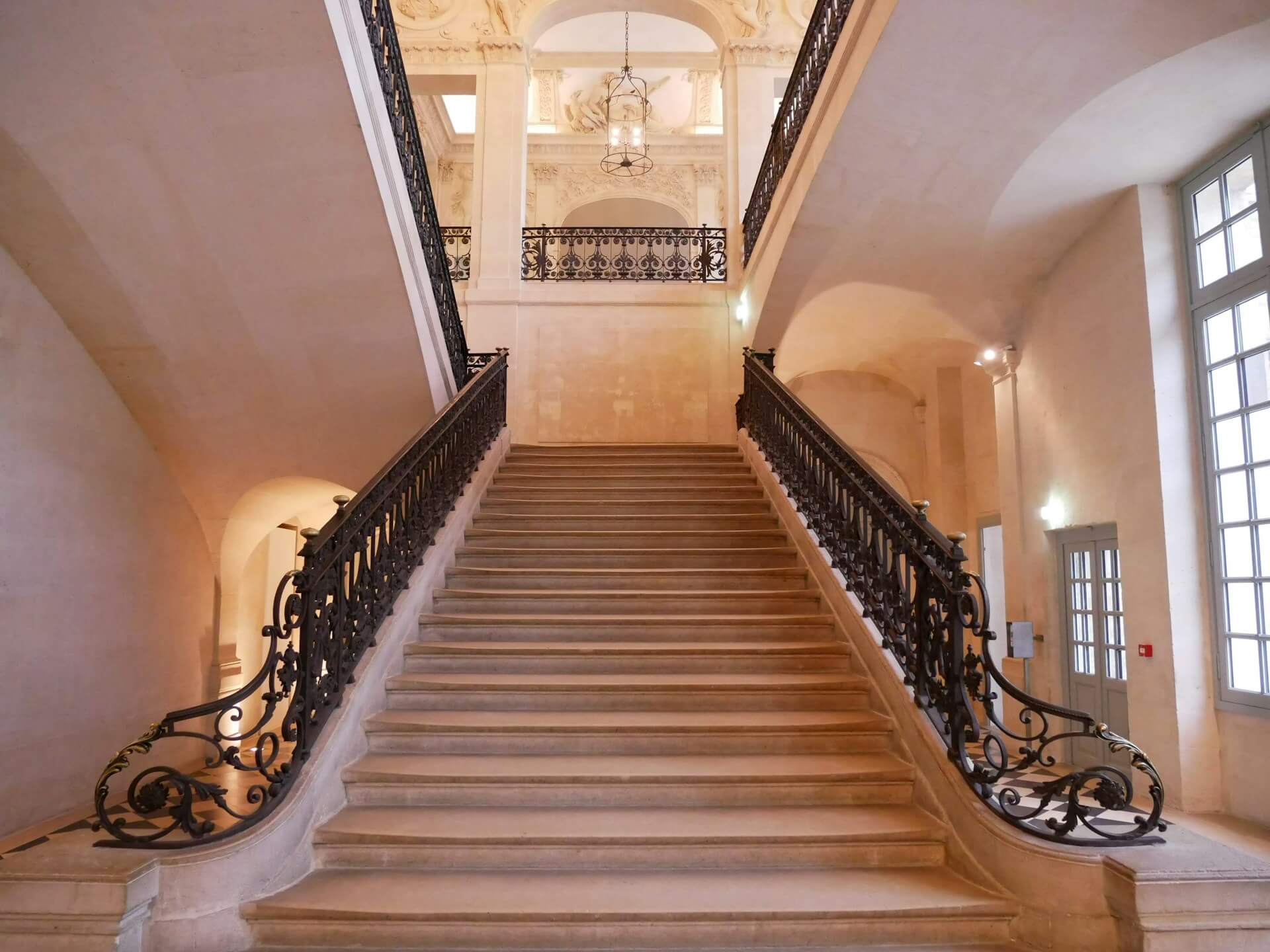
A staircase should feel comfortable to use while complementing the rest of your home. However, it can be hard to select a handrail as you have to balance the appearance of the handrail, grip, material, and installation needs.
The right design can give you a secure place to hold while adding a finished look to your stairs. Wood species, rail profiles, and construction details can all affect the final result. Whether you are updating an existing staircase or planning the construction of a new staircase, it is always better to know the options available.
Here are seven handrail styles and design features to consider when choosing a suitable option for your home.
1. Traditional Wooden Handrails
Traditional wooden handrails provide a familiar appearance to a staircase. Their natural grain and vintage profiles are effective in homes that have traditional, rustic, or transitional interiors. They can be used to complement wooden treads, flooring, and other staircase details as well.
When exploring handrails for stairs, consider the appearance of the wood species along with your current finishes. Oak, walnut, yellow pine, and other wood choices have alternative grain patterns and natural tones. Lighter woods can produce a smoother look, whereas darker ones may provide contrast and depth to the staircase.
Other than looks, think about how the rail feels when you hold it. A comfortable profile will enable you to maintain a natural grip when moving up and down the stairs. Also, check that the handrail is suitable for your staircase layout and can be installed with the correct support.
2. Contemporary Handrails
A modern interior of your home can be enhanced with a contemporary handrail, which can give your home a clean and coordinated look. These designs usually work well with plain staircase designs, spacious rooms, and contemporary materials. The overall appearance depends on the shape of the rail, its finish, and the way it joins the balustrade around it.
To maintain a consistent design, look at the entire staircase instead of selecting the handrail separately. Even a plain wooden profile can be used to complement the modern interior without over-decorating the staircase. You can also compare different wood finishes to find one that works with your flooring, wall colors, and other interior features.
However, looks cannot be the only factor. Measure the size of the rail and the grip before deciding. A streamlined design still needs to provide a comfortable surface to hold and suit the staircase installation requirements.
3. Round Handrails
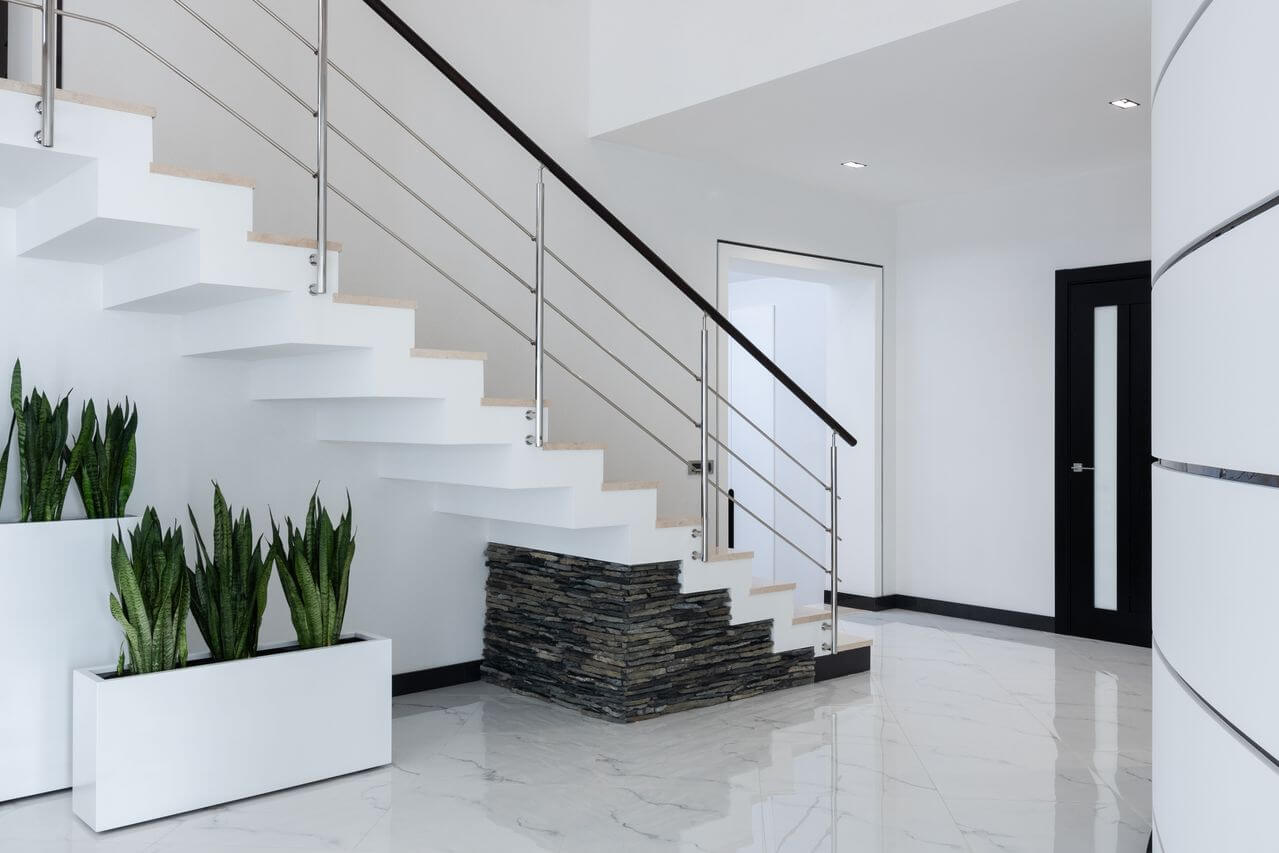
Round handrails have a curved profile that gives them a simple, smooth appearance. They can be comfortable to hold, as it is easy to place the hand on the rounded surface. This makes them worth considering for staircases where a simple design is preferred.
The shape will also allow you some flexibility in planning the overall appearance. A round wooden handrail can suit both traditional and contemporary interiors, depending on its finish and the materials used in other areas of the staircase. You have the option to select a wood tone that matches the existing elements or forms a slight contrast.
However, before choosing a round profile, check the diameter. A rail that is too big or too small may not be easy for some people to grip comfortably. The correct dimensions, safe attachment, and appropriate location are all reasons that make a handrail convenient to use.
4. Oval Handrails
Oval handrails offer a softer alternative to more angular profiles. Their elongated shape can create a refined appearance while providing a defined surface to hold. This makes them a useful option when you want something different from a standard round or rectangular design.
As you compare profiles, consider how the oval shape will sit against the staircase's other components. It may work particularly well when you want a smooth visual line without adding elaborate details. The selected wood species and finish can further influence whether the rail feels traditional or more contemporary.
For practical use, pay attention to the width and depth of the profile. These measurements affect how the handrail feels in your hand and whether it suits the people who use the stairs regularly. Also, make sure its fittings and supports are appropriate for the chosen design.
5. Plowed Handrails
Plowed handrails are designed with a groove along the underside or lower section to accommodate compatible balusters. This construction helps connect the handrail with the staircase's balustrade and can create a more integrated appearance.
These handrails are available in different wood species, allowing you to consider both construction and appearance when choosing one. Natural grain, color, and finish can influence how the rail complements the staircase. This makes it easier to coordinate the handrail with other wooden features in your home.
Before choosing a plowed handrail, check that the groove dimensions match the balusters and other components you plan to use. Compatibility matters because the parts need to fit together correctly. You should also confirm the installation requirements to help ensure the finished railing is properly supported.
6. Bending Handrails
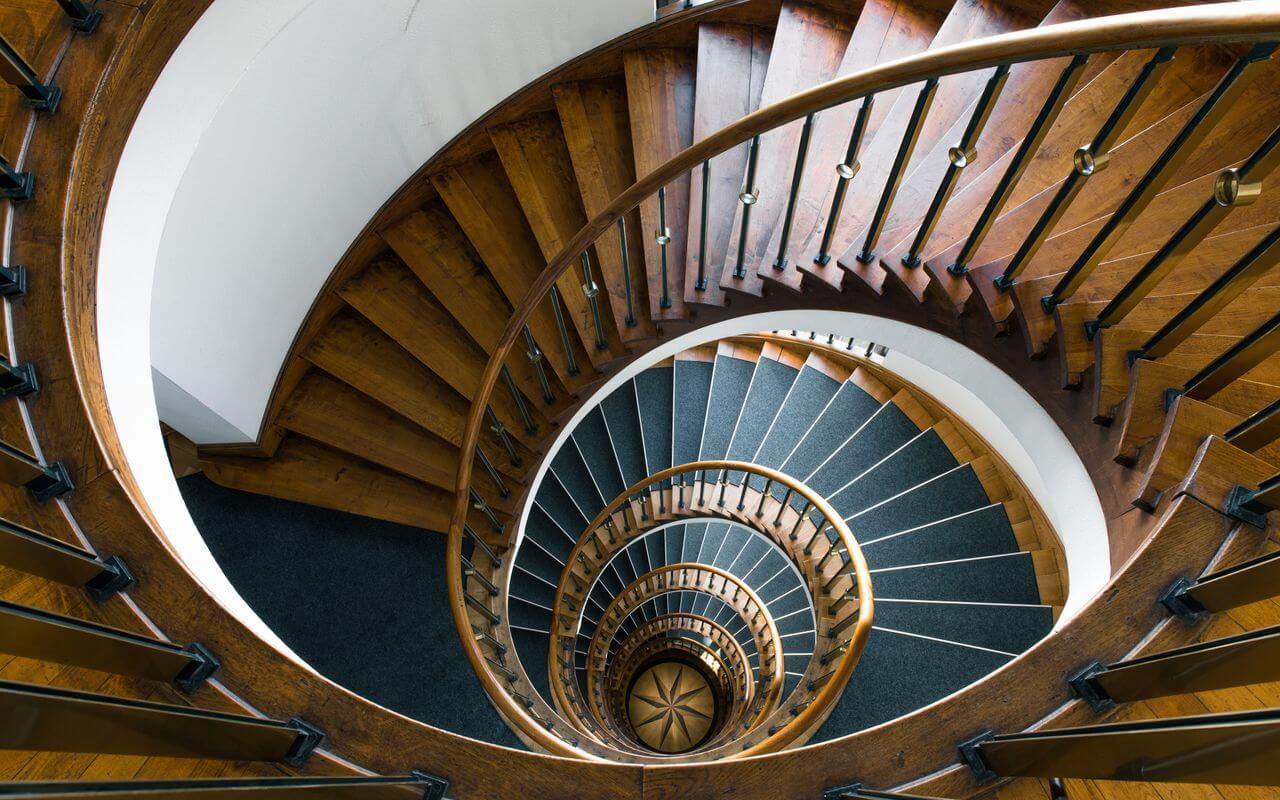
Some staircases have curved sections, making a standard straight handrail unsuitable for the entire layout. Bending handrails are designed for applications where the rail needs to follow a curve rather than remain straight. They can help maintain a continuous appearance along a staircase with turns or rounded sections.
When considering this option, start by reviewing the staircase's shape and measurements. The required curve, rail dimensions, and connection points all influence which product will work. Accurate planning is particularly important because the handrail needs to follow the intended path while connecting securely with the supporting components.
It is also worth considering how the curved section will meet the straight parts of the rail. A well-planned transition can make the staircase look more consistent and prevent awkward gaps or mismatched connections. Check the product specifications and installation guidance before choosing a bending handrail.
7. Handrails With Decorative End Treatments
The ends of a handrail can influence how complete the staircase looks. Rather than leaving an unfinished-looking end, you can consider suitable end treatments or accessories that create a more polished finish. These details can help the handrail coordinate with the staircase's overall design.
For a traditional interior, a more detailed finish may complement other decorative elements. In a modern space, a simpler end treatment can maintain a clean appearance. The best choice depends on the handrail profile, available accessories, and the look you want to achieve.
However, make sure the selected treatment is compatible with the handrail itself. Check its dimensions, connection method, and installation requirements before buying. A decorative detail should complement the design without interfering with the handrail's intended use.
Conclusion
The best handrail is one that balances comfort, appearance, and compatibility with your staircase. Start by considering who will use the stairs and what kind of grip feels comfortable. Then compare the available profiles, wood species, and construction details to find an option that suits your home.
Next, check the measurements and installation requirements. The handrail should work with the balusters, supports, and other staircase components. A suitable design also needs to be securely fitted and meet applicable building and safety requirements.
By considering these details together, you can choose a handrail that makes your staircase more practical while complementing your home's interior.