Home Exterior Upgrades That Actually Hold Their Value for Overworked Homeowners
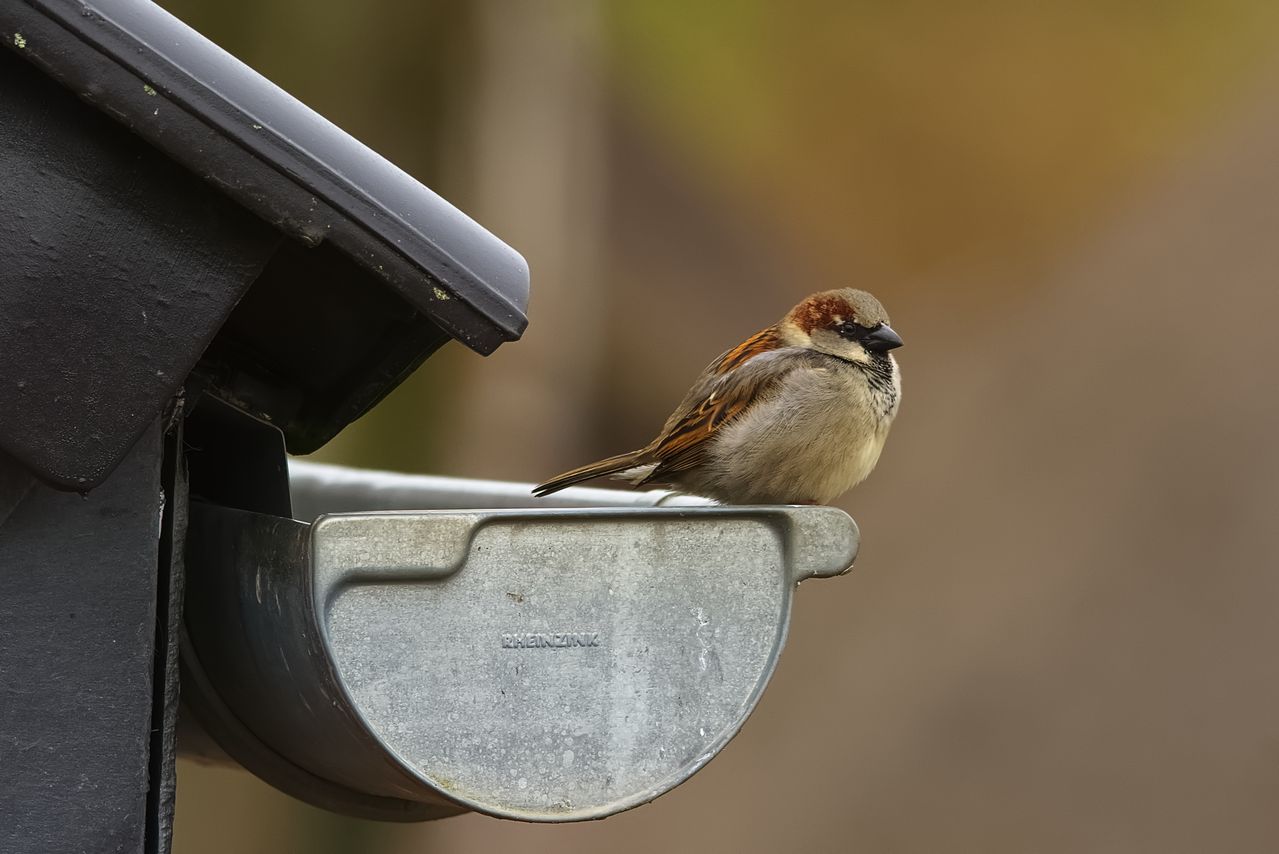
I spent the better part of a rainy Sunday afternoon last fall standing in a puddle in my own backyard, watching a river of water pour off my roof and run straight down the foundation wall. That was the day I learned what a five hundred dollar gutter problem turns into when you ignore it for two summers. Homeownership is full of those moments, and nobody hands you the manual.
Here is what I promised myself after that puddle: no more fixing things only after they break. Today, I want to walk you through the exterior upgrades that genuinely earn their keep, the ones that quietly drain your wallet, and how to tell which is which before you call anyone. And if you happen to have been searching for a gutter install in Chantilly or your own town, use the checklist here to judge the quote before you sign anything.
The short version? Water is the enemy. Every exterior dollar you spend either moves water away from your house, keeps water out of it, or does neither. Once that idea clicks, the whole upgrade decision tree gets a lot simpler, and your Saturday to-do list gets shorter.
Why Water, Not Paint Color, Should Drive Your Budget
Most of us start our home improvement thinking with the fun stuff. Vanity, fixtures, the front door color that'll finally match the shutters. I get it. But water damage doesn't care about your taste. It shows up as peeling paint on the sheathing, a musty smell in the basement, soil pulling away from the slab, or a trim board that feels spongy when you press on it.
Gutters are the unglamorous hero here, and they're also the piece most homeowners ignore until something awful happens. A properly sized, properly sloped system channels thousands of gallons of stormwater away from your foundation every year. When it fails, you're not just looking at overflowing rain, you're looking at cracking foundation walls, soggy siding, and landscaping that gets scoured out with every downpour.
The U.S. Department of Energy has published widely on how moisture management around the home envelope affects both durability and energy performance, and the takeaway for homeowners is boring but obvious: keep the water moving away and your structure lasts longer. You can read more at Energy.gov if you like getting your advice straight from the source.
Three Exterior Projects That Earn Their Keep
1. Gutter replacement done right
If your gutters are more than twenty years old, routinely overflow, pull away from the fascia, or have seams that leak in more than one spot, replacement usually beats repair. Seamless aluminum is the default for a reason: fewer joints, fewer leak points, and a clean line that looks deliberate instead of patched together.
Copper lasts longer and ages into a patina that some homeowners genuinely love, but it costs meaningfully more upfront. My honest take: if your budget is tight and your house sits in a normal neighborhood, seamless aluminum in a color that matches the trim is the smart move. Copper is a lovely splurge when you're already replacing the trim and fascia at the same time.
2. Downspout extensions and grading
This one is embarrassingly cheap and embarrassingly effective. A downspout that dumps water six inches from the foundation is barely better than no downspout at all. Extensions that push runoff four to six feet away, plus regrading the soil so it slopes outward, fix about eighty percent of the wet-basement complaints I've heard from neighbors.
3. Fascia and soffit repair
Fascia is the board your gutters hang from. If it's rotten, new gutters will sag within a season. Any contractor worth their truck will inspect and repair fascia before hanging anything, and if they don't mention it, ask.
What to Ask Before You Approve Any Exterior Work
I've learned to ask these questions before signing anything, and you should too.
- What's the material, the gauge, and the warranty in writing on the quote?
- Will you inspect the fascia and flashing, or just swap the gutters?
- Who's pulling the permit if one is required in my area?
- How do you handle cleanup and hauling?
- What's the payment schedule, and does it match actual progress on site?
Two more questions worth asking even though they feel nosy: who will be on the crew, and are they employees or subcontracted? Both matter when you care about the finish work.
The One Upgrade I'd Skip
Decorative shutters that don't actually close. They add no weather protection, they fade unevenly, and they collect spiderwebs. Put the money in your gutters instead, or in a proper exterior paint job on trim that's already showing wear.
According to the U.S. Environmental Protection Agency, moisture intrusion is one of the leading contributors to indoor air quality issues in homes, which means water management isn't just an exterior concern. The EPA keeps a plain-language library on this if you want to dig in.
Budgeting Without the Panic
Exterior work rarely happens on your schedule. A storm speeds things up. A slow season slows them down. The Department of Housing and Urban Development publishes consumer resources on home maintenance and ownership that are worth skimming if you want to plan expenses realistically across the years. You can find them at HUD.gov.
My rule of thumb, and I apologize in advance because it's not fancy: set aside one to two percent of your home's value each year for maintenance. If you've skipped a few years, double it for the catch up round and get the priority list done in order: roof, gutters, grading, siding. Everything cosmetic waits its turn.
A Quick Self-Audit You Can Do This Weekend
Set aside forty-five minutes and walk the perimeter of your house:
- Look at the gutters from the ground. Are they sagging, pulling away, or overflowing after a rain?
- Check where the downspouts discharge. Is water landing near the foundation?
- Push a small screwdriver into the fascia under the gutter. Soft spots mean rot.
- Look at the soil line. Does it slope away from the house, or toward it?
- Look at the trim around windows. Cracked caulk is your earliest warning sign.
Take photos of anything that looks off. If you call a contractor, being able to send three specific pictures gets you a more honest estimate than a vague phone description.
I keep a small notebook in the junk drawer for exactly this kind of thing. Every fall I add notes, every spring I check what changed. It's the least glamorous home improvement tool I own and the one that's saved me the most money.
The Bottom Line on Exterior Upgrades
Water always wins the argument, so spend your money where water management is concerned. Fix the drainage and gutters before you replace the shutters. Repair the fascia before you hang the new fixtures. And when you do hire someone, ask the boring questions and get the answers in writing.
What's the one exterior job you've been putting off for over a year? Start there. Forty-five minutes on a Saturday could save you a five thousand dollar surprise two winters from now, and that's the kind of math that actually holds up.