How to Choose Durable Kitchen Cabinets for a Rental Property
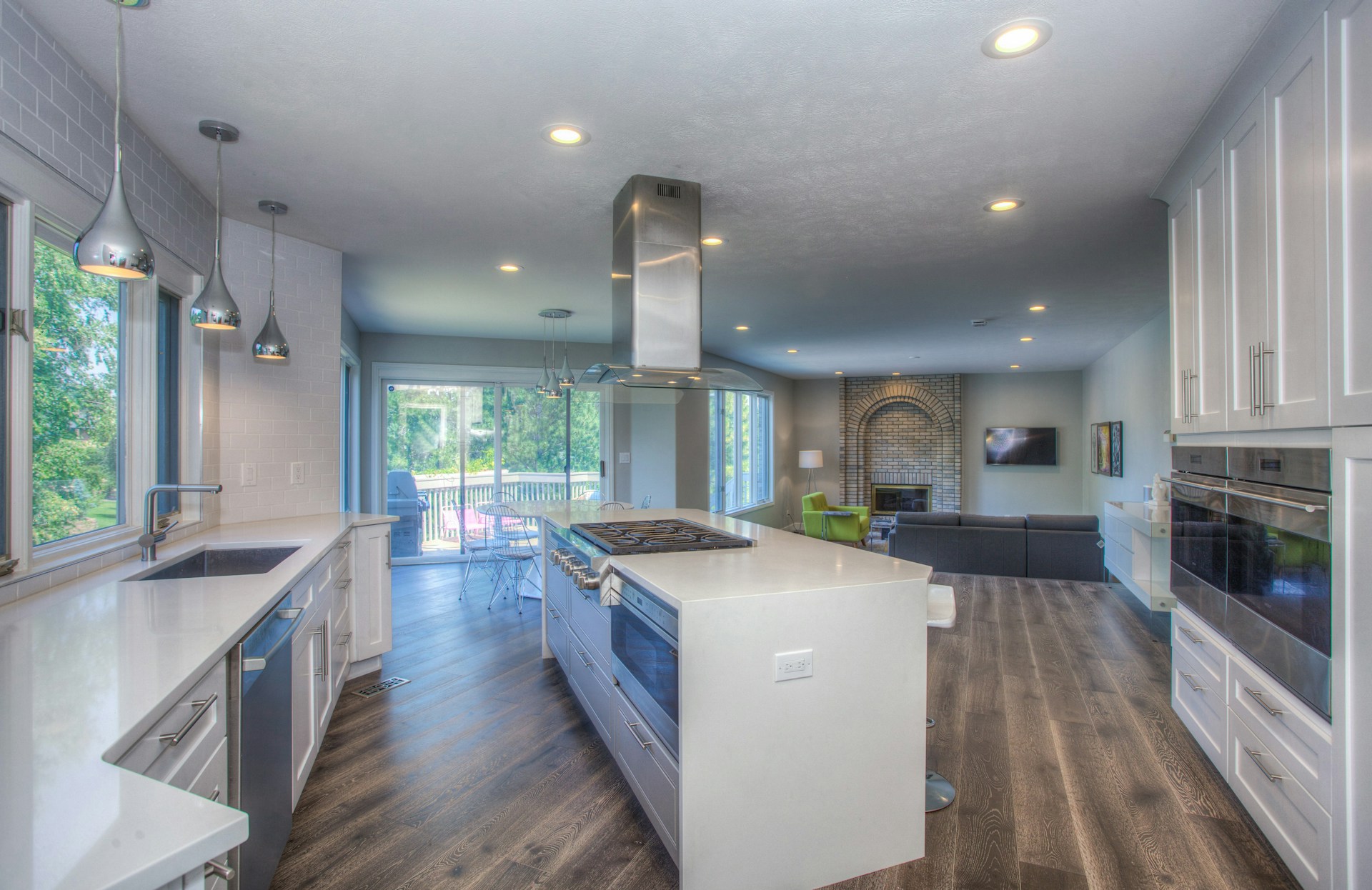
Key Takeaways
- Cut down on your repair bills by picking cabinet materials that won't warp or swell when they get wet, like plywood, high-pressure laminate, or aluminium systems.
- Focus on parts built for heavy use, especially sturdy hinges, scratch-proof coatings, and properly sealed edges.
- Surfaces that wipe down fast make it much easier to keep the property looking sharp and holding its value during tenant turnovers.
- Spending a bit more on premium cabinets today saves you a fortune in long-term upkeep and keeps your renters happy.
Introduction
Nothing gets trashed faster in a rental than cheap kitchen cabinets. Tenants slam the doors constantly, spills sit unattended, and cooking steam basically melts low-grade materials. Trying to save a few bucks on day one just means you'll be writing checks for repairs and early replacements down the road.
The right cabinets need to take a beating, fight off water damage, and look decent for the long haul. They also need to be quick and easy to scrub down when you are trying to turn the unit over between tenants. You save real money and cut out endless maintenance headaches by spending a bit more upfront for something that actually lasts.
Here is what you actually need to look for.
Start With the Right Cabinet Material
The core material used to construct the box ultimately dictates how long your cabinets last.
Plywood remains a premier option for high-durability needs. Its cross-layered composition delivers exceptional structural integrity and prevents distortion from ambient steam. Industry experts keep recommending it for busy rentals because it hits the sweet spot between long-term value, toughness, and fighting off water damage.
Conversely, budget-grade MDF and particleboard routinely puff up and break down upon contact with liquid. This vulnerability shows up rapidly in wet zones near your sinks or dishwashers.
Landlords managing units in sticky climates must make water resistance an absolute priority. Utilizing defensive materials like PVC panels, high-pressure laminates, and marine plywood adds a critical barrier against fungal mold and water swelling.
Adopting flexible aluminium systems represents another rapidly growing trend. Aluminium cabinets won't rust, warp, rot, or get eaten by bugs. While wood acts like a sponge and swells up, metal completely blocks water. If you have a rental in a humid area, this stuff is a lifesaver.
Look for Moisture Resistance
Water is the absolute worst enemy for kitchen cabinets. The EPA says if you don't control moisture, you get mold and ruined building materials. Letting water sit rots the cabinets and leaves you with a massive repair bill.
When evaluating cabinets, pay attention to:
- Sealed cabinet edges
- Water-resistant finishes
- Moisture-resistant core materials
- Proper ventilation around appliances and sinks
Because the spaces surrounding your sinks and dishwashers face the most severe water contact, you need to apply extra defensive measures to the cabinetry placed there.
Choose Durable Surface Finishes
An ultra-tough cabinet interior means very little if its exterior surface deteriorates quickly.
To survive frequent washing, scrapes, and stains, rental units need tough exterior layers. Landlords often pick high-pressure laminate or premium thermofoil, which wash down easily and hold up well against heavy wear.
Experts also suggest specialized coatings, pointing to conversion varnish and catalyzed lacquer as top choices. These options work best to stop damage caused by dampness, high temperatures, and hard hits.
Going with a matte or textured look gives you another major edge. They hide fingerprints and minor scratches way better than glossy surfaces do, which helps keep the kitchen looking sharp through multiple lease turnovers.
Pay Attention to Hardware Quality
The doors and drawers of a cabinet usually break down before anything else does.
Cheap drawer glides and hinges quickly bend, get loose, or snap entirely from the strain of everyday use. Spending just a bit more upfront on premium hardware raises your starting costs, but you save money in the long run because it slashes your overall repair expenses over the lifespan of the cabinets.
Look for:
- Soft-close hinges
- Heavy-duty drawer runners
- Corrosion-resistant hardware
- Adjustable hinges for easier maintenance
Recent cabinetry guidance emphasizes that drawer systems and hardware are among the strongest indicators of overall cabinet quality and durability.
Prioritize Easy Maintenance
Rental property kitchens need to be practical, not delicate.
Findings from the National Kitchen & Bath Association's 2024 trends research show a steady, strong preference for straightforward kitchen layouts that simplify washing and upkeep. Uncluttered, minimalist cabinetry featuring slick surfaces remains highly favored precisely because it streamlines the wiping process.
Choosing flat-panel doors is a smart move for rentals since they don't have the deep grooves where airborne grease and dirt like to build up. Their neutral look also blends into pretty much any style, making the property attractive to a lot more renters.
When a kitchen is this easy to clean, both landlords and tenants win. It cuts down the time a unit sits empty between leases and helps the space look brand new for a much longer time.
Consider Long-Term Cost Instead of Initial Price
The cheapest cabinets are rarely the most economical option.
A cabinet replacement project involves more than material costs. Labor, installation, tenant disruption, and lost rental income can quickly increase expenses.
High-quality cabinets simply last longer, so you aren't stuck fixing or replacing them every few years. Landlords and property managers always say that tough materials are the only way to keep your maintenance bills down and stop tenants from constantly complaining.
When comparing options, evaluate:
- Expected lifespan
- Repair frequency
- Maintenance requirements
- Warranty coverage
- Resistance to moisture and wear
A cabinet system that lasts 15-20 years can deliver a much better return on investment than one that requires major repairs after only a few years.
Select a Timeless Design
Fads fade fast, so investment rentals perform best when they appeal to everyone.
Plain door styles, basic lines, and neutral colors usually hold their charm through several different renters. Based on new NKBA trend data, sleek and simple cabinet layouts stay in high demand since they merge functional use with hassle-free cleaning.
Stay away from unique, custom colors or busy decorative trim that could turn off future renters. It is better to stick with adaptable designs that easily match almost any home decor style.
Conclusion
Getting kitchen cabinets for a rental always comes down to a trade-off between the initial price tag and how many years you can get out of them. If you buy cabinets with tough hardware, water-resistant cores, solid construction, and finishes that wash right off, the kitchen will actually survive tenants thrashing it.
You get great structural durability in a rental by relying on plywood, high-pressure laminates, and modern aluminium solutions. Throwing in a practical layout, heavy-duty hinges, and protective coatings just protects your real estate investment and stops future repair bills from blowing up.
The whole point here is simple: put in dependable cabinets on day one, don't waste time on high-maintenance upkeep, and avoid paying for a total kitchen replacement down the road.