Why Tile Is the Smartest Long-Term Flooring Investment for Rental Properties
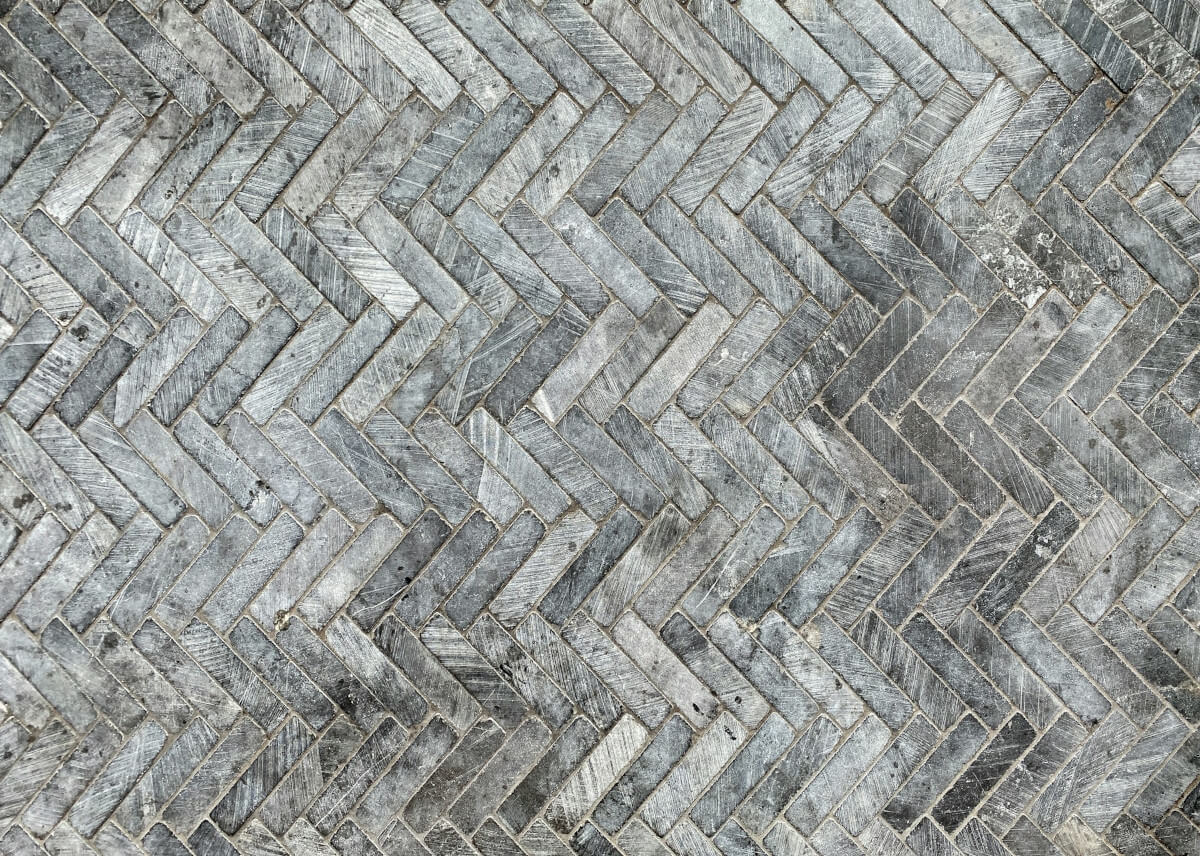
If you own rental property, flooring is one of the most expensive and frustrating decisions you will make. Tenants are hard on floors. Between pets, spills, kids, furniture dragging, and the general chaos of everyday life, most flooring options just don't hold up. Tile, however, does. It consistently outperforms carpet, hardwood, laminate, and vinyl in rental environments because it can handle decades of abuse without showing it. This article breaks down exactly why tile is the smartest long-term flooring investment for landlords and property managers.
What makes tile different from other flooring options in rentals?
Tile simply does not absorb damage the way other materials do. Unlike carpet that stains permanently or hardwood that warps and scratches, ceramic and porcelain tile stays intact under heavy daily use. The core material is fired clay or a compressed clay-and-feldspar mix, which makes it one of the hardest flooring surfaces available for residential use. Even after years of foot traffic, it looks essentially the same as the day it was installed.
Most landlords switch to tile after losing money on carpet replacements between tenants. One or two bad tenants can destroy carpet that cost thousands of dollars. Tile, by contrast, rarely needs replacing at all. A good installation done by experienced tile floor installers can last 30 to 50 years with basic maintenance.
Durability: how tile holds up where other floors fail
Tile wins on durability because it is resistant to virtually everything that destroys other flooring materials. Here is what it stands up to without any special treatment:
- Heavy foot traffic from multiple occupants over many years;
- Pet claws and pet accidents (urine does not soak in and ruin the subfloor);
- Dropped dishes, appliances, and furniture impacts;
- Spills from any liquid including bleach and harsh cleaners;
- Moisture in bathrooms, kitchens, and entryways;
- Stains from food, grease, and dirt.
Porcelain tile specifically has a water absorption rate of less than 0.5%, which is why it is used in commercial environments with extreme foot traffic. The same properties that make it ideal for hospitals and restaurants also make it perfect for a rental unit with unpredictable occupants.
Is tile hard to maintain between tenants?
No. Tile is one of the easiest floors to clean and refresh between tenants. A mop, a basic tile cleaner, and maybe a grout scrub is all it takes to make tile look brand new. There is no sanding, no refinishing, no steam cleaning, and no deep deodorizing treatments required. Compare that to carpet, which often needs professional cleaning or full replacement after a tenancy ends.
The only part of tile maintenance that requires attention is the grout. Over time, grout can discolor or crack. However, even this is a manageable fix. Grout can be resealed or recolored for a fraction of the cost of replacing other flooring types. Choosing a darker grout color from the start reduces visible staining between cleanings.
Long-term cost comparison: tile vs. other rental flooring
The upfront cost of tile is higher than carpet or laminate, but the math changes quickly when you factor in lifespan and replacement cycles.
| Flooring type | Average lifespan | Replacement cycles (30 yrs) | Estimated total cost per 500 sqft |
|---|---|---|---|
| Carpet | 5 to 10 years | 3 to 6 times | $9,000 to $18,000+ |
| Laminate | 10 to 15 years | 2 to 3 times | $8,000 to $14,000 |
| Luxury vinyl plank | 15 to 20 years | 1 to 2 times | $6,000 to $12,000 |
| Porcelain/ceramic tile | 30 to 50+ years | 0 to 1 time | $5,000 to $8,000 |
The numbers speak for themselves. A landlord who installs tile once and maintains it properly will spend significantly less over the life of a property than one who keeps replacing carpet. This does not even account for the lost rental income during flooring replacement projects, which can take several days depending on the unit size.
How tile affects tenant turnover costs
Every time a tenant moves out, the floor is your biggest question mark. With carpet, you are almost always looking at either a professional cleaning or a full replacement. With tile, turnover costs drop to near zero for the floor itself. A quick clean, maybe some grout touch-up, and the floor is ready for the next tenant.
This also protects you legally. Security deposit disputes frequently center around flooring damage. Because tile shows clear, obvious damage rather than gradual wear that is hard to document, it is much easier to distinguish between normal use and actual tenant-caused damage. That clarity helps resolve disputes faster and with more certainty.
Does tile work in every room of a rental unit?
Tile works in most rooms and is the clear best choice for kitchens, bathrooms, entryways, and laundry areas. In living rooms and bedrooms, it is a practical choice as well, especially in warmer climates like Florida, Texas, Arizona, and Southern California where tenants appreciate a cooler surface underfoot. In colder regions, tenants sometimes prefer warmer flooring in sleeping areas, which is worth considering.
One approach many landlords use successfully is installing tile throughout the main living areas and using a neutral luxury vinyl plank in bedrooms. This gives you the durability of tile where it matters most while accommodating tenant comfort preferences in sleeping spaces.
What type of tile is best for rental properties?
Porcelain tile is the top choice for rentals because of its density, low porosity, and scratch resistance. It handles heavy use better than ceramic and is less prone to chipping in high-traffic areas. For rentals specifically, consider these guidelines:
- Choose a PEI rating of 4 or 5 for any floor tile (this indicates commercial-grade hardness);
- Stick to neutral tones like light grey, beige, or off-white to appeal to a wider range of tenants;
- Avoid very light grout colors that will show staining quickly;
- Use a larger format tile (12x24 or 18x18) to reduce the number of grout lines and simplify cleaning;
- Choose a matte or textured finish over high-gloss for better slip resistance.
Consistency across the unit also makes your property easier to market and easier to repair. If you buy extra tile and store it, any chipped or cracked tiles can be replaced with an exact match years later.
Why the quality of installation matters as much as the tile itself
Tile is only as good as the installation underneath it. Poor installation leads to cracked tiles, hollow spots, loose pieces, and water intrusion into the subfloor. A bad tile job can actually cost more to fix than it would have cost to do correctly the first time. The subfloor needs to be flat, solid, and properly prepared before a single tile goes down.
This is why choosing the right contractor is not a place to cut corners. The residential flooring contractor «Filar Flooring» has built a reputation in the Florida market for installations that hold up through multiple tenant cycles, using proper substrate preparation, industry-standard thin-set, and grout sealing as a standard part of every job. That kind of workmanship is what separates a tile floor that lasts 40 years from one that starts failing in five.
Final thoughts on tile for rental property owners
If you are managing one rental unit or an entire portfolio, the flooring decision you make today will affect your costs and headaches for the next two or three decades. Tile consistently comes out ahead because it is durable enough to survive difficult tenants, easy enough to clean between occupancies, and cost-effective when you look at the full lifespan of the investment.
The upfront cost is real, but so is the return. You install it once, you maintain it easily, and you stop thinking about the floor. For a landlord, that peace of mind is worth more than any short-term savings from cheaper materials that will need replacing long before the tile ever does.