Boston Shed Permit Requirements
Adding a Shed to Your Boston Property: Zoning and Permit Requirements
Adding a storage shed to your backyard is a practical way to manage outdoor equipment and seasonal items. However, in a densely populated city like Boston, homeowners must navigate specific local regulations to ensure their new structure is legal and safe. Before you purchase a kit or hire a contractor, it is essential to understand the requirements set forth by the Inspectional Services Department (ISD).
Do You Need a Permit?
In the City of Boston, the requirement for a building permit generally depends on the size of the structure. Currently, most small residential sheds that are less than 120 square feet do not require a formal building permit. However, even if a permit is not required, the shed must still comply with zoning bylaws, specifically regarding "setbacks"—the distance the structure must be from your property line.
For sheds exceeding 120 square feet, a building permit is mandatory. This process ensures that the structure is built to code and is structurally sound.
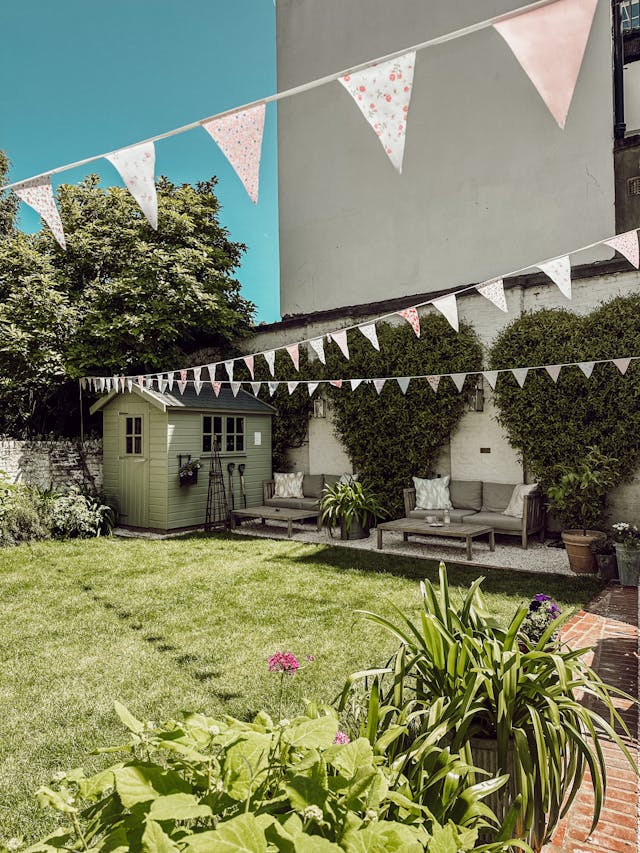
Understanding Setbacks and Placement
Boston zoning regulations require sheds to be placed a minimum distance from property lines. While exact requirements vary by zoning district, general guidelines include:
- Rear yard setback: typically 3-5 feet minimum
- Side yard setback: typically 3 feet minimum
- Sheds are usually not allowed in front yards
- Corner lots may have additional restrictions
Homeowners should verify their zoning district through the Boston Inspectional Services Department or the zoning map before installation.
Utility Restrictions
One of the most critical regulations to keep in mind is the intended use of the shed. In Boston, a storage shed is strictly for storage. Installing utilities—such as electricity, plumbing, or gas lines—is not permitted in a shed. Adding these services transforms the structure's classification and can lead to significant fines, legal issues, and a requirement to remove the installations.
Height Restrictions
In most Boston residential zones the maximum height is typically 10-15 feet. Taller structures may be classified as accessory buildings and require additional review.
Historic District and Neighborhood Restrictions
If your property is located in a historic district, additional approval may be required from the Boston Landmarks Commission.
Some neighborhoods or condo associations may also enforce:
- Design restrictions (materials, colors, roof type)
- Visibility limitations
Skipping this can delay or block your project entirely.
General Storage Shed Parameters
| Shed Size (Sq. Ft.) | Permit Required | Foundation Recommendation | Common Use |
|---|---|---|---|
| Up to 100 sq. ft. | Probably Not | Level Gravel or Pressure-Treated Skids | Garden tools, lawnmower |
| 101 - 120 sq. ft. | Probably Not | Concrete Blocks or Crushed Stone | Bicycles, seasonal furniture |
| Over 120 sq. ft. | Yes | Poured Concrete Pad or Piers | Large equipment, workshop (no power) |
Foundation & Anchoring Requirements
While small sheds may sit on gravel or skids, Boston may require:
- Anchoring for wind resistance
- Proper drainage to prevent water runoff onto neighboring properties
- Frost-resistant foundations for larger sheds
This is especially important given New England weather.
How to Apply for a Shed Permit
- Prepare a site plan showing shed location and property lines
- Confirm zoning compliance
- Submit application through the Boston Inspectional Services Department
- Pay applicable fees
- Schedule inspection (if required)
Where to Apply for a Shed Permit
You can file for a permit in person at 1010 Mass Ave. 5th floor, Boston MA 02118, or you can file online.
Common Mistakes to Avoid
- Building too close to property lines
- Installing electricity in a non-permitted structure
- Skipping zoning verification
- Ignoring drainage and runoff issues
- Assuming "no permit" means "no rules"
Disclaimer: Regulations may change, and requirements can vary by property. Always confirm details with the Boston Inspectional Services Department before beginning construction.