Choosing The Right Wall Removal Specialist
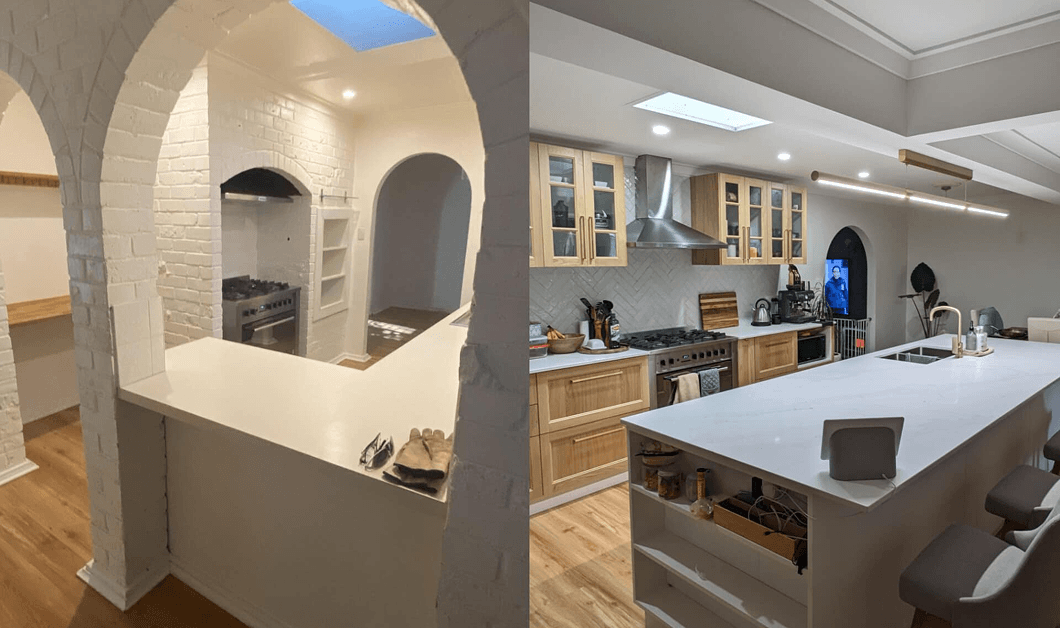
Removing a wall can give you more space, improve room flow, and create an open floor plan.
With the right planning and expert help, you can make better use of your space while keeping your home's structure safe. A skilled contractor can check your home, explain the work, and help you plan changes that fit your needs.
You should also know which permits and building plans your project may need. A clear quote and written work plan can help you understand the costs and tasks involved.
Whether you want to connect your kitchen and dining room or open up your living area, the right contractor can help you reach your goal. Here are the key factors to consider when choosing a wall removal specialist for your project.
1. Check Experience with Structural Wall Removal
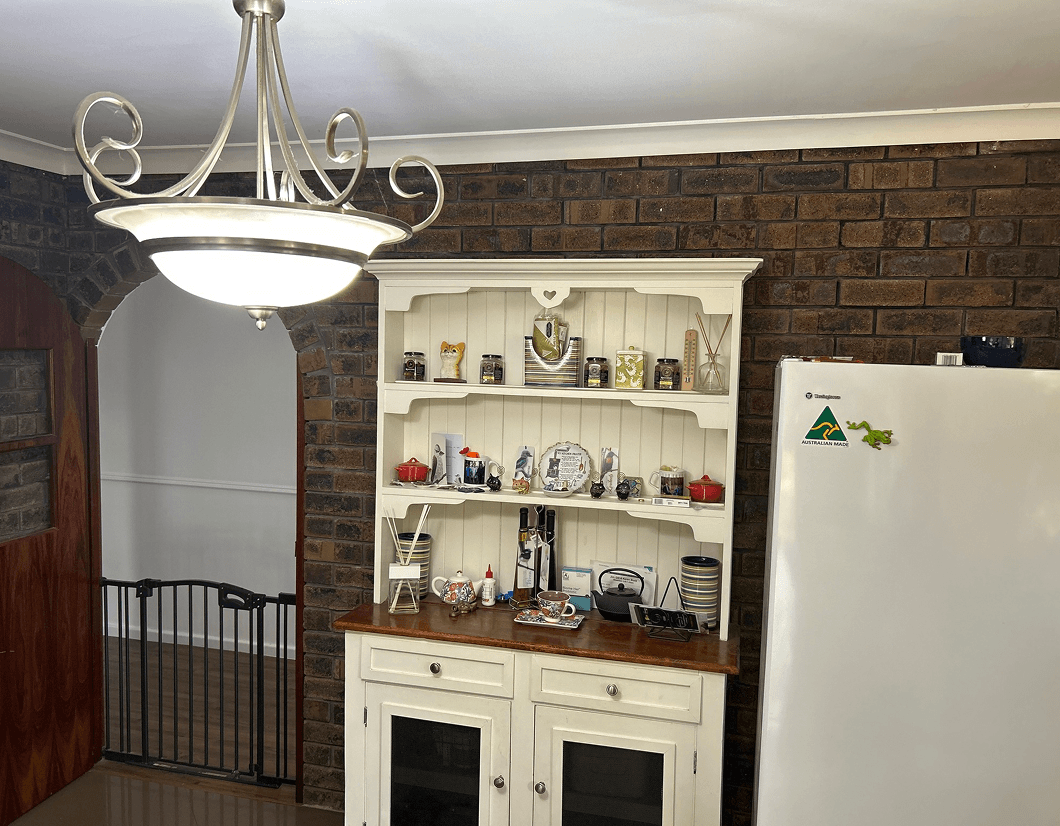
Start by looking for a contractor who has worked on projects like yours. Removing a wall that does not support the house is different from removing a load-bearing wall. A load-bearing wall carries weight from parts of your home, such as the roof or an upper floor. Removing one may require a steel beam, posts, or other support to keep the structure safe.
An experienced wall removal specialist should explain how the wall will be checked before work begins. Look at photos of completed projects and read customer reviews to learn about the contractor's work. References from past customers can also give you a better idea of the service you can expect.
Since every home has a different layout, experience with similar wall types can be helpful. Ask the contractor to explain the steps your home may need and how the work will be done. Clear answers can help you decide whether the contractor is a good fit for your project.
2. Verify Insurance, Licenses, and Required Permits
Experience matters, but you should also check that the contractor meets the rules for the work. Request proof of suitable insurance before signing an agreement. The right cover can help protect you if an accident or damage occurs, depending on the policy.
Next, check whether the contractor holds the licenses or registrations required for your project. Building rules vary by location, so contact your local building office to learn which permits and approvals may apply. Some wall removal projects need approval before work can begin.
Find out who will arrange the permits, engineering plans, and inspections your project needs. Put those duties in writing so you know who is responsible for each step. Having the right documents ready can help keep the project on track and reduce delays.
3. Check Structural Plans and Safety Steps
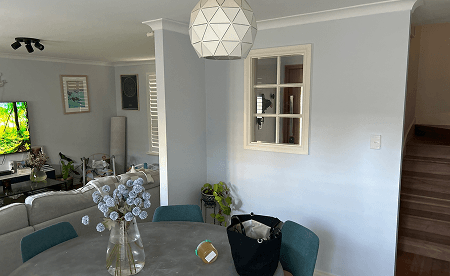
Once you have checked the contractor's background, turn your attention to the work plan. A proper site check may include the wall, roof space, ceiling, floor, and nearby walls. These areas can show how your home is supported and what changes may be needed.
If the wall carries the weight of your home, a qualified structural engineer may need to review the plan. The engineer can work out what support is needed after the wall is removed. Find out how the team plans to support the structure during the work.
The work plan should also explain when temporary supports are needed and how the team will install them. These supports hold the structure while the wall is removed and permanent supports are put in place. Make sure the work follows the engineer's plan and that any changes are checked before the team moves ahead.
Safety checks should also cover electrical wires, water pipes, and gas lines inside or near the wall. Qualified workers may need to find, move, or disconnect these services before demolition starts.
Finally, discuss how the team will control dust, protect floors and furniture, and keep the work area safe. Good planning can limit the effect of the project on the rest of your home.
4. Compare Written Quotes and Project Costs
Following the site visit, ask them to provide a written quote specifying the job and cost. The estimate must take into consideration the type of wall, the accessibility to the work area, and any structural alterations necessary.
See whether the quote contains:
- Labor and wall removal
- Steel beams, posts, and other structural supports
- Engineering plans and permit costs, if needed
- Waste removal and cleanup
- Repairs to ceilings, floors, walls, and paint
Some contractors include all these tasks, while others charge extra for certain services. For instance, painting can be included in one quote and additional in another. Review each item so you know what you are paying for before agreeing to the work.
The final cost may change if workers find hidden pipes, existing damage, or a need for extra structural support. Ask how the contractor handles unexpected work, and require a written breakdown of extra costs and your approval before any added charges are made.
Payment terms matter, too. Check when payments are due, whether a deposit is required, and when the final balance must be paid. When comparing quotes, focus on the tasks and services included rather than choosing the lowest price. Quotes that cover the same work give you a fairer basis for comparing costs.
5. Confirm Project Timeline, Cleanup, and Final Checks
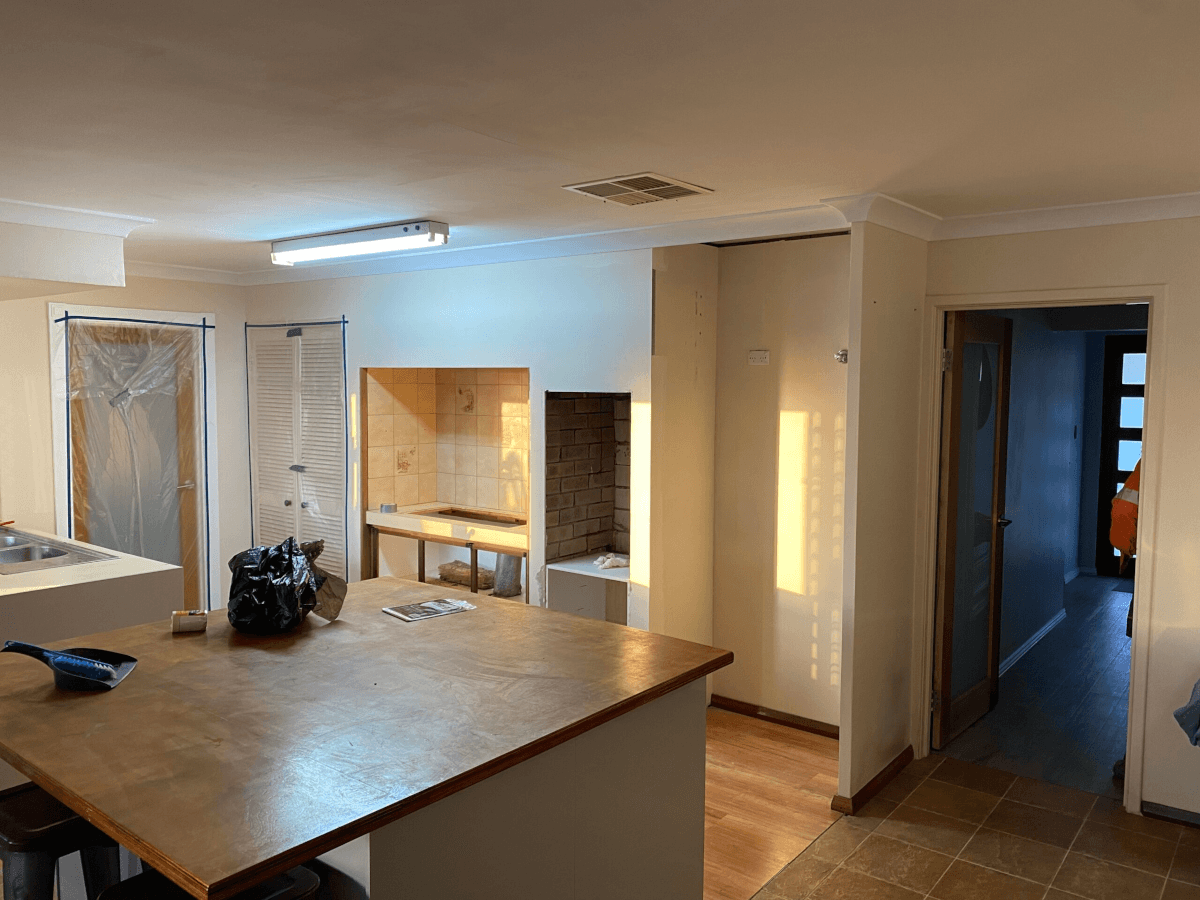
Along with cost, the project timeline matters when planning your home renovation. The time needed may depend on the wall type, the support required, the supply of materials, and any required approvals. Ask for a written schedule that explains the main stages and when each stage is expected to finish.
Your daily routine may change while the work is underway, so discuss how the team will manage access to your home and keep the work area tidy. Confirm who will remove the waste and whether cleanup is included in the price.
Finishing work should also be listed in the agreement. After the wall is removed, nearby ceilings, floors, and walls may need repairs. Check whether plastering, painting, and other repairs are included or cost extra.
When the job is complete, review the finished work against the agreement. Request any inspection records, engineering documents, or permit records that apply to your project. Keep copies of the quote, agreement, and other project documents for future reference.
Bottom Line
The right wall removal specialist should offer more than demolition skills. Look for someone with relevant experience, suitable insurance, a safe work plan, and a detailed quote. Check which permits and building plans your project needs before work begins.
Compare contractors based on the full service they offer, not price alone. A written agreement can help you plan your home renovation and protect your home's structure. Review the details before making your choice, and select a contractor who understands your goals and can carry out the work with care.