The Role of Windows in Enhancing Aesthetic and Functional Appeal
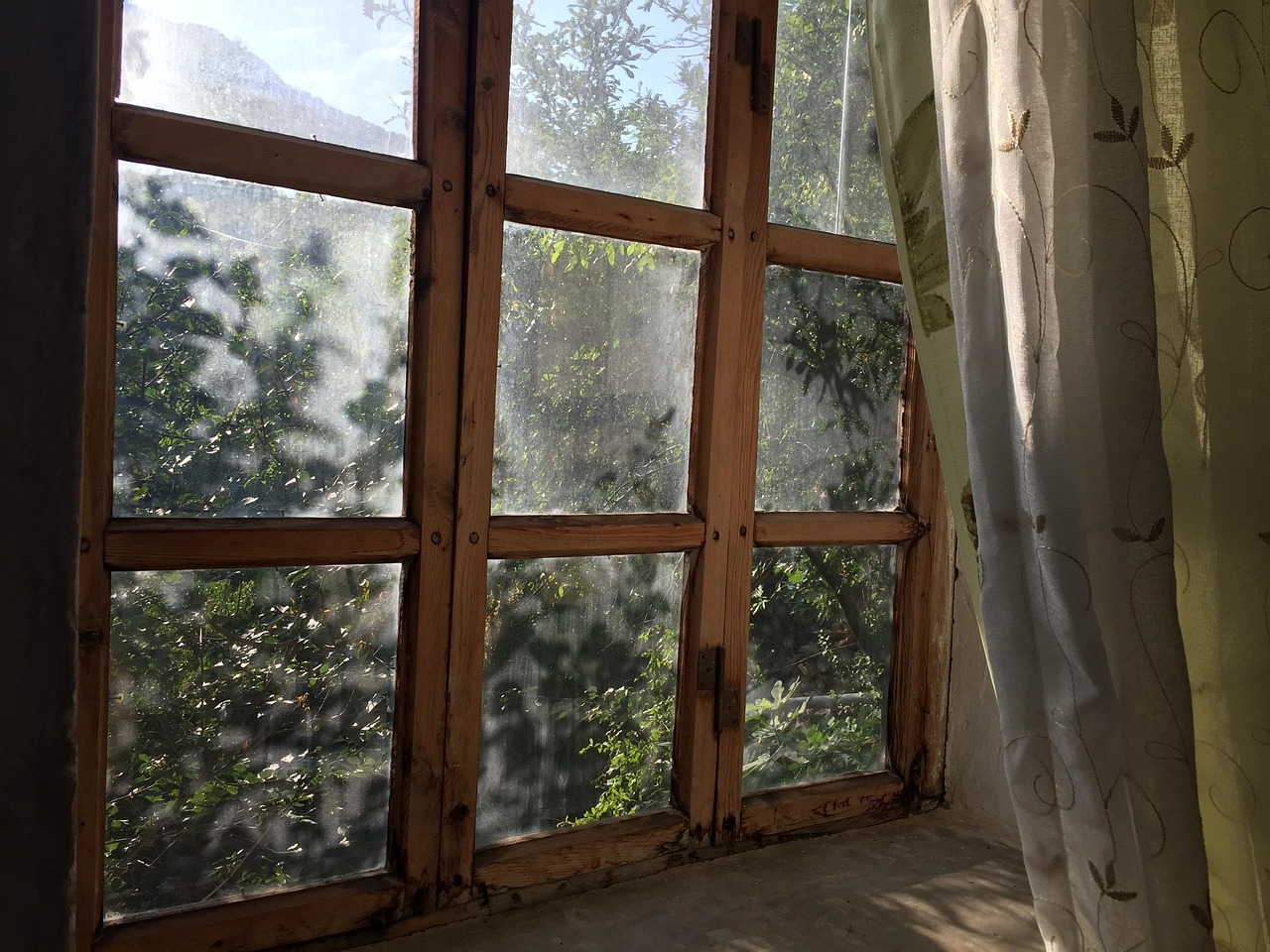
From residential homes to commercial buildings, the types of windows chosen can influence a property's appearance and usability. Windows heavily contribute to lighting, ventilation, and energy efficiency. Providing a unique combination of style and practicality, well-designed windows can elevate a building from mundane to breathtaking.
Across various styles of architecture, the importance of windows cannot be overstated. Their placement, design, and materials can create a lasting impression on visitors and maximize the functionality of the enclosed spaces.
Choose the Right Professional Contractors
For high-quality installation, skilled contractors bring expertise and experience to the table and maximize a window's performance and longevity. Seek professionals who specialize in various window types and understand the necessary building codes. They will guide you in selecting appropriate window materials based on your aesthetic preferences and functional needs.
The choice of windows reflects aesthetics and suitability for the specific climate and architectural style. If you are looking to install aluminium windows, look for a specialized contractor that knows how to do the job right the first time around to lower the chances of costly errors. Contractors provide valuable insights into maintaining windows so they remain in peak condition for years to come. By investing in skilled professionals, homeowners can achieve optimal results that align with their vision and requirements.
Aesthetic Appeal
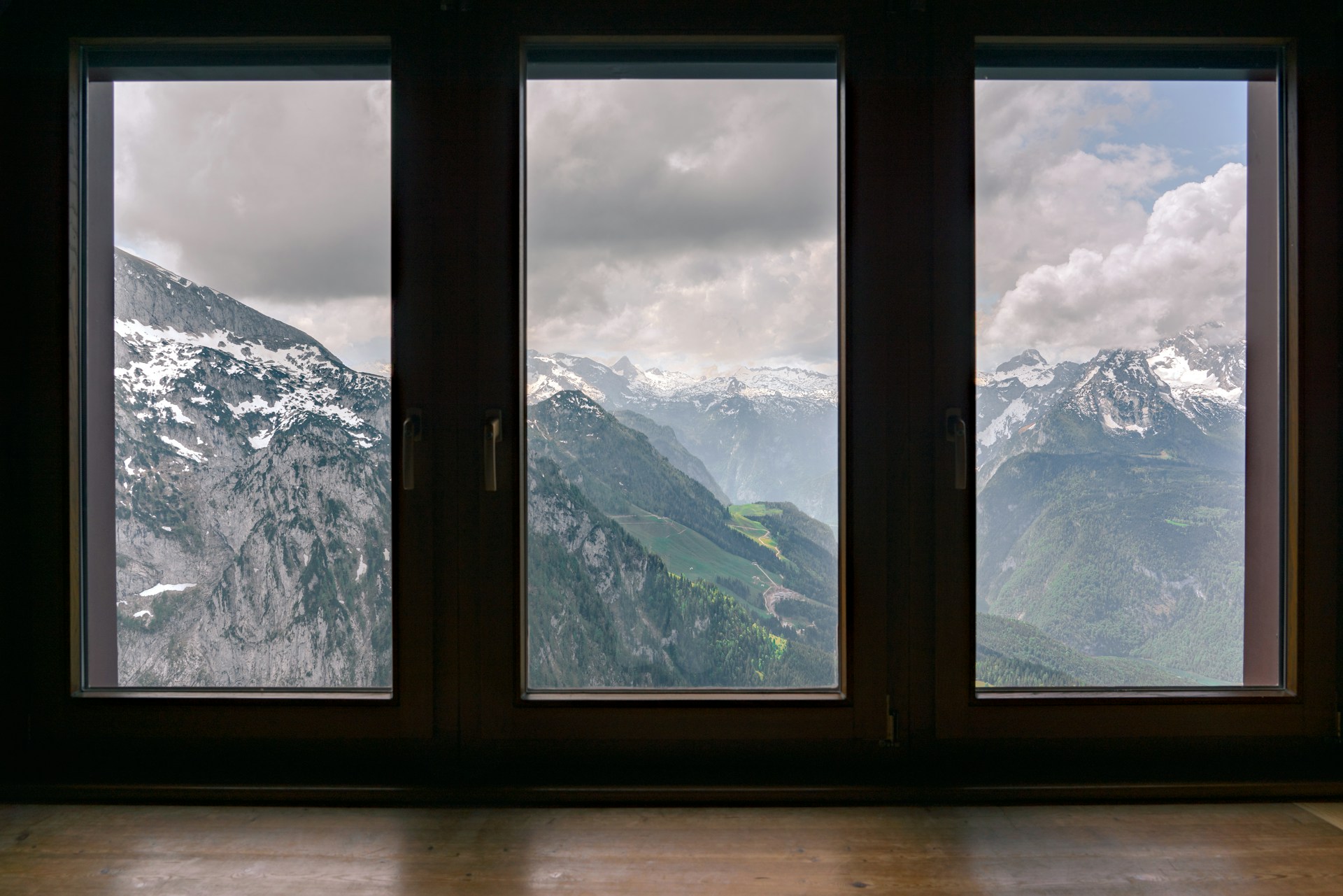
Windows come in various styles and finishes, allowing homeowners to select ones that align perfectly with their design vision. Expansive windows can create a seamless connection between indoor and outdoor spaces, offering breathtaking views and inviting natural light. Smaller, more intricate window designs can add character and charm to traditional architecture.
Using diverse materials and finishes (wood, vinyl, or aluminium) allows architects to personalize their designs according to the vision of the owners. The choice of windows contributes to the visual harmony of a property and influences visitors' perceptions at first sight.
Functional Benefits
Windows promise to deliver functional benefits in terms of natural lighting and ventilation. Natural light can transform a dull space into a vibrant one, promoting a cheerful and inviting atmosphere. Properly positioned windows maximize sunlight exposure during preferred times of the day, reducing reliance on artificial lighting.
Adequate ventilation maintains indoor air quality. Windows, strategically sized and placed, can facilitate cross-ventilation, allowing for a refreshing exchange of indoor and outdoor air. This can reduce humidity levels and improve thermal comfort, contributing to a healthy living environment. A well-ventilated space can prevent mold growth and remain fresh.
Energy Efficiency and Sustainability
In the context of climate change and rising energy costs, modern windows focus on energy efficiency. Energy-efficient windows are designed to reduce heat transfer so that homes can maintain a stable temperature. Double or triple glazing is a common feature in energy-efficient windows, improving thermal insulation and reducing unwanted heat loss.
Energy-efficient windows promote financial savings and contribute to sustainability efforts. By reducing reliance on heating and cooling systems, carbon footprints can be minimized and align with green building initiatives. Many manufacturers prioritize using sustainable materials, which have a lower environmental impact compared to traditional framing materials.
Aussie homeowners often learn from https://apsdoubleglazing.com.au/ how advanced thermal barrier technology can dramatically reduce everyday climate control expenses. Implementing these high-performance glass installations helps maintain stable indoor temperatures while shielding residential interiors from the harsh local elements.
Frequently Asked Questions
How much do new windows actually add to property value?
Quality window replacement typically returns 65-75% of project cost in resale value, with the rest of the value coming from energy savings during ownership and the curb appeal boost during showings. Buyers and inspectors notice old single-pane or visibly worn windows quickly, and the perception of deferred maintenance often costs sellers more in negotiation than the price of replacement would have. For homes being prepared for sale, replacing failing windows usually pays back better than most other cosmetic upgrades because the improvement is visible in every photo and during every showing.
Which window material is the best choice — wood, vinyl, or aluminium?
Each material has its place. Wood offers the warmest aesthetic and best insulation but requires the most maintenance and costs the most. Vinyl is the most affordable, maintenance-free, and energy-efficient at the budget level but offers fewer design options. Aluminium provides slim sight lines, exceptional strength for large openings, and excellent durability in coastal or harsh climates, though older aluminium frames conduct heat poorly unless they include thermal breaks. Match the material to your climate, architectural style, and maintenance tolerance rather than chasing a single "best" answer.
How long should quality windows last?
Professionally installed quality windows typically last 20-40 years depending on material, climate exposure, and maintenance. Vinyl windows commonly run 20-30 years before seals fail or frames warp. Wood windows can last 30+ years with regular sealing and refinishing. Modern aluminium with thermal breaks lasts 30-40 years in moderate climates and longer in dry conditions. Premature failure usually traces back to poor installation rather than material defects — flashing errors, inadequate sealing, and improper fastening all shorten lifespan dramatically regardless of window quality.
Is double or triple glazing worth the extra cost?
Double glazing is now standard in any modern window worth installing — the gap between single and double glazing in both energy performance and cost is significant. Triple glazing adds another insulating layer and makes sense in cold climates with major heating loads, in homes near noisy streets where the extra acoustic damping matters, or in passive house construction targeting maximum energy efficiency. In moderate climates, triple glazing's payback period stretches beyond what most homeowners want to wait for. Double glazing with low-emissivity coatings hits the value sweet spot for most properties.
How do I know when my windows need replacing?
Common signals include condensation forming between panes (failed seal), drafts you can feel near the frame even with the window closed, visible water staining or rot around the frame, difficulty opening or closing the sash, audible street noise that's louder than it should be for the build, and noticeably higher heating or cooling bills compared to similar homes. Any one of these doesn't necessarily mean immediate replacement — but two or three together usually justifies pricing out new windows rather than continuing to patch the existing ones.
Should I match window style to my home's architecture?
Yes, and it affects both aesthetics and resale value. A Victorian or Colonial home with modern frameless glass loses character and often loses value. A mid-century modern home with elaborate divided-light Colonial windows looks equally wrong. Stick to styles that complement the architectural era: double-hung for traditional homes, casement or awning for mid-century, large fixed panes for contemporary. Within those broad categories there's still plenty of room for personal taste in finishes, hardware, and proportions.
Can window placement actually reduce heating and cooling bills?
Substantially, when planned correctly. South-facing windows (in the Northern Hemisphere) capture winter sun for passive heating but need shading strategies for summer; north-facing windows provide soft consistent light without thermal load; east and west exposures bring heat gain that strains cooling systems during summer mornings and evenings. Cross-ventilation through windows on opposite sides of a room reduces the need for mechanical cooling during transitional seasons. Working with these orientations during a renovation or new build can cut HVAC operating costs by 20% or more compared to ignoring them.
Is DIY window installation realistic or should I always hire a contractor?
For one or two small windows on a single-story home, a skilled DIY homeowner can handle the work if they understand flashing, weather barriers, and proper fastening. Beyond that — multi-story installations, full house replacements, large or specialty windows, or any project involving structural modifications to the rough opening — professional installation is almost always the right call. The labor cost of professional installation is a small fraction of the total project cost, and improper installation voids most manufacturer warranties and causes the leaks, drafts, and rot that destroy the windows themselves over time.