How Warehouses Shape the Edges of Cities in the US, EU, and AU/NZ
Warehouses rarely sit in the center of cities. Instead, they shape the edges of metropolitan areas, forming a logistical belt where freight moves between highways, ports, rail yards, farms, and factories.
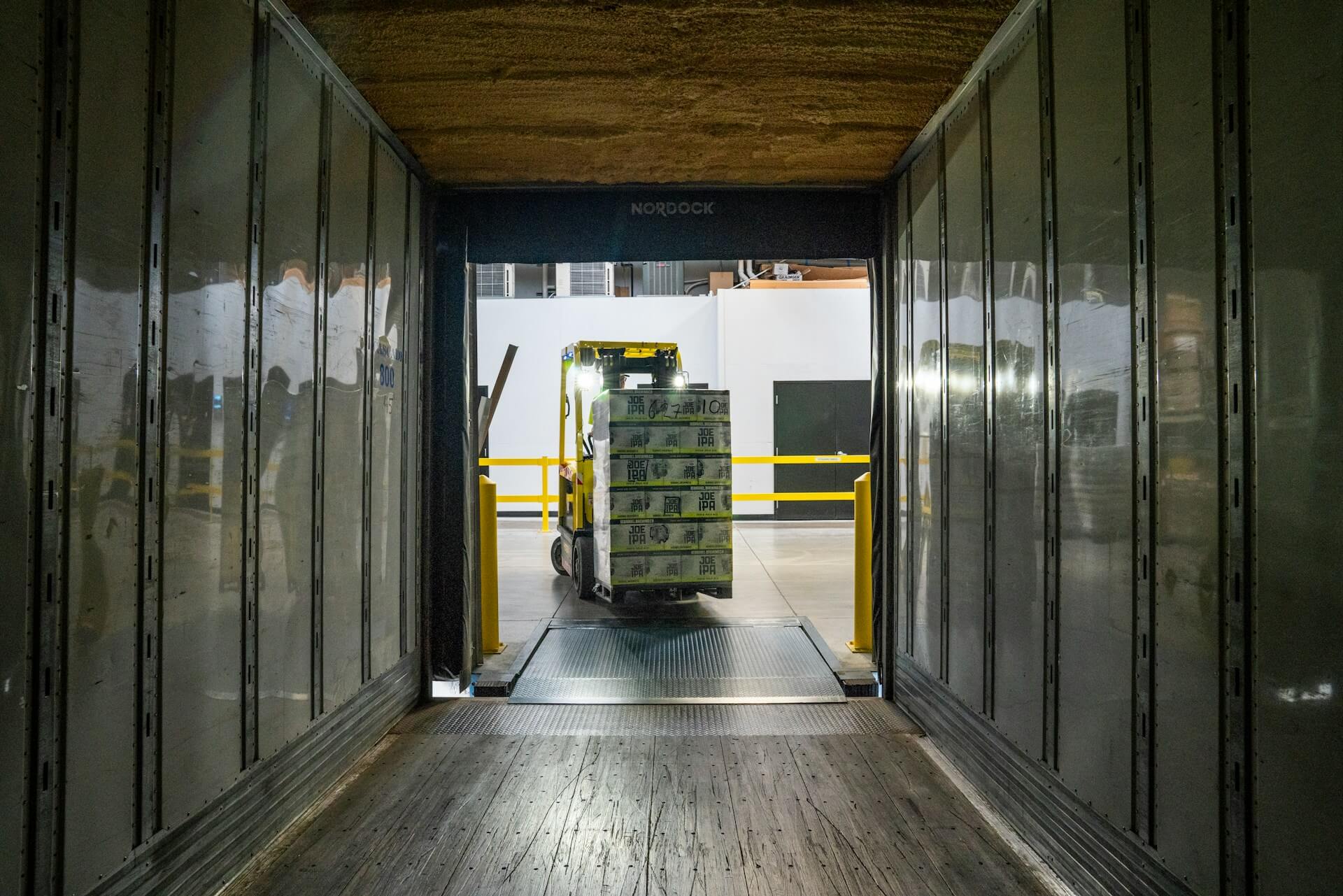
These buildings are essential infrastructure for modern economies. Manufacturers, wholesalers, importers, exporters, and transport companies rely on warehouses to store, sort, and move goods efficiently before they reach retailers or customers.
Across the United States, Australia and New Zealand, and Europe, the placement of warehouses reflects geography and economics. Long distances, farmland, ports, and transportation corridors all influence where these structures appear. While the details differ by region, the result is similar: industrial landscapes at the edges of cities that quietly power the movement of goods.
US: Logistics Belts and the Rise of the Mega Distribution Center
The United States has some of the largest logistics networks in the world. Its warehouses often occupy enormous tracts of land on the outskirts of metropolitan areas, connected to interstate highways and rail terminals.
The Logistics Sprawl Phenomenon
Over the past few decades, many distribution centers have moved toward suburban and exurban areas where land is cheaper and truck access is easier.
This shift has reshaped the outer edges of cities. Warehouses cluster near highway interchanges, industrial parks, and large trucking corridors. Instead of dense urban storage buildings, modern logistics favors wide, single-story structures with huge parking areas for trailers and delivery vehicles.
The change reflects how modern supply chains work. Goods arrive at ports, rail terminals, or factories and are quickly moved to large distribution facilities before heading to retailers or customers.
Mega Warehouses and Distribution Hubs
American logistics also operates at a massive scale. Warehouses exceeding 50,000 square meters are now common in major distribution corridors.
One of the best-known examples is California's Inland Empire east of Los Angeles. The region has become a huge logistics hub because it offers relatively inexpensive land and direct access to the ports of Los Angeles and Long Beach. Some distribution centers there exceed 1.7 million square feet, with even larger facilities appearing in recent years.
These buildings are essentially industrial cities under one roof. Inside, forklifts, automated systems, and pallet racks manage enormous volumes of goods arriving daily from ports and factories.
Long-Distance Freight Networks
Distance is another defining feature of American logistics. Freight moves across thousands of miles through interconnected warehouse networks.
The United States transportation system handles tens of millions of tons of freight each day, linking warehouses, factories, and retail supply chains.
Because of these distances, companies often operate layered warehouse systems:
- Regional distribution centers serving multiple states
- Local fulfillment centers closer to customers
- Cross-docking facilities where goods are transferred directly between trucks
This network structure allows companies to store large volumes in cheaper outer regions while still supporting fast delivery to cities.
Industrial Architecture at the City Edge
The architecture of these warehouses is designed for efficiency. Typical features include:
- Wide clear spans inside the building
- Loading docks for trucks along one or more sides
- Large trailer yards and parking areas
- Direct highway access
These facilities form recognizable industrial landscapes on the outskirts of American cities, often stretching for miles along transportation corridors.
AU/NZ: Distance, Agriculture, and Steel Warehouse Construction
Australia and New Zealand face different geographical challenges from the United States, but their warehouse systems are also shaped by distance and land availability.
Warehouses Built for Long Transport Routes
In Australia especially, logistics involves very long travel distances. Goods often move between widely separated cities such as Sydney, Melbourne, Brisbane, and Perth, sometimes traveling thousands of kilometers across the country.
Because of this geography, warehouses are often placed near highway freight routes, rail terminals, and agricultural regions. These facilities allow products to be consolidated before long transport journeys across the continent.
New Zealand operates on a smaller scale but follows similar principles. Warehouses connect ports, agricultural producers, and export supply chains.
Agriculture, Industry, and Storage Infrastructure
Both Australia and New Zealand rely heavily on agriculture and primary industries. As a result, many warehouses are closely tied to rural production.
Grain storage, farm equipment depots, cold storage for food exports, and distribution centers for agricultural supplies are common. Warehouses near farming regions often work alongside large sheds used for machinery, feed storage, or processing.
This blending of agriculture and logistics creates a unique industrial landscape where farm infrastructure and warehouse facilities coexist.
Steel Buildings and Industrial Warehouses
Steel construction plays a major role in warehouse development across Australia and New Zealand. Large-span steel frames allow warehouses to maintain wide, open interiors without internal columns, which is critical for forklift movement, pallet racking, and large vehicle access.
These buildings are valued for durability, construction speed, and adaptability. Industrial warehouses across the region are often designed to handle heavy equipment, wide loading bays, and constant freight movement while standing up to harsh weather conditions.
New Zealand's industrial construction sector has leaned heavily into advanced steel systems to support these needs. A clear illustration of this approach can be seen in the warehouse work delivered by CoreSteel, a New Zealand warehouse construction company focused on large-scale commercial and industrial structures.
Their warehouse projects emphasize wide, unobstructed interior spans created through structural systems like the DonoBeam and Bracketless Portal System, allowing large storage areas without intrusive center poles or braces.
These warehouses are built with New Zealand-fabricated steel and engineered to withstand demanding operating environments while maximizing usable internal space for racking systems, vehicles, and machinery moving through the building.
This approach reflects a broader regional philosophy toward warehouse construction. Buildings are designed not only for storage capacity but for operational flow.
Open spans, strong steel framing, and durable materials allow operators to adapt the space as logistics needs evolve, whether the building supports agricultural supply chains, manufacturing storage, or freight distribution tied to ports and transport corridors.
Regional Logistics and Port Connections
Ports play an especially important role in Australia and New Zealand logistics networks.
Major facilities often sit near shipping terminals where imports and exports pass through before entering national transport systems. Warehouses near these ports handle everything from raw materials to consumer goods destined for cities and regional towns.
Because both countries rely heavily on global trade, these port-adjacent warehouse zones have become critical economic infrastructure.
Europe: Dense Cities and Strategic Logistics Corridors
Europe's warehouse geography differs from the United States and Australia in one key way: density. Cities are older, land is scarcer, and infrastructure networks often developed centuries before modern logistics systems.
Industrial Zones Outside Historic Cities
European cities typically preserve historic urban centers while locating industrial activity farther out. Warehouses cluster in designated industrial parks along ring roads, highways, and rail corridors.
This arrangement allows freight traffic to bypass dense city streets while still keeping logistics close to population centers.
In many regions, warehouse parks appear along major highways connecting national economies. These corridors link ports, factories, and urban markets across borders.
Ports as Logistics Gateways
Europe's warehouse geography is also heavily shaped by ports.
Major logistics hubs such as Rotterdam, Antwerp, and Hamburg act as gateways for global trade. Warehouses surrounding these ports store goods arriving from overseas before distributing them across the continent.
From these coastal hubs, freight moves through road and rail networks into inland logistics centers.
Cross-Border Supply Chains
Europe's dense network of countries and markets means that many warehouses serve cross-border supply chains.
A single distribution center might supply several countries, particularly within the European Union where trade barriers are minimal. This encourages strategic warehouse placement near international transport routes.
For example, logistics clusters appear in regions such as:
- The Netherlands and Belgium near major ports
- Western Germany along highway corridors
- Northern Italy near manufacturing centers
These locations allow companies to serve large portions of Europe from relatively centralized facilities.
Modern Logistics Parks
Over the past two decades, Europe has also seen the rise of modern logistics parks similar to those in the United States.
These developments feature large warehouses, truck parking, rail connections, and integrated distribution services. However, they are often designed more compactly due to land constraints.
Despite these differences, the underlying function remains the same: connecting production, trade, and consumption through efficient storage and distribution.
Warehouses as the Hidden Framework of Cities
While warehouses rarely attract architectural attention, they quietly shape the physical form of modern cities.
At the edges of metropolitan areas, long rows of distribution buildings, truck yards, and logistics parks form a crucial layer of infrastructure. These structures connect ports to highways, farms to cities, and factories to global markets.
Whether in the vast logistics corridors of the United States, the steel warehouse networks of Australia and New Zealand, or the dense logistics zones of Europe, warehouses play a similar role.
They are the hidden framework that keeps goods moving, industries operating, and cities supplied.