Everyday Infrastructure Issues That Shape Urban Housing Experiences
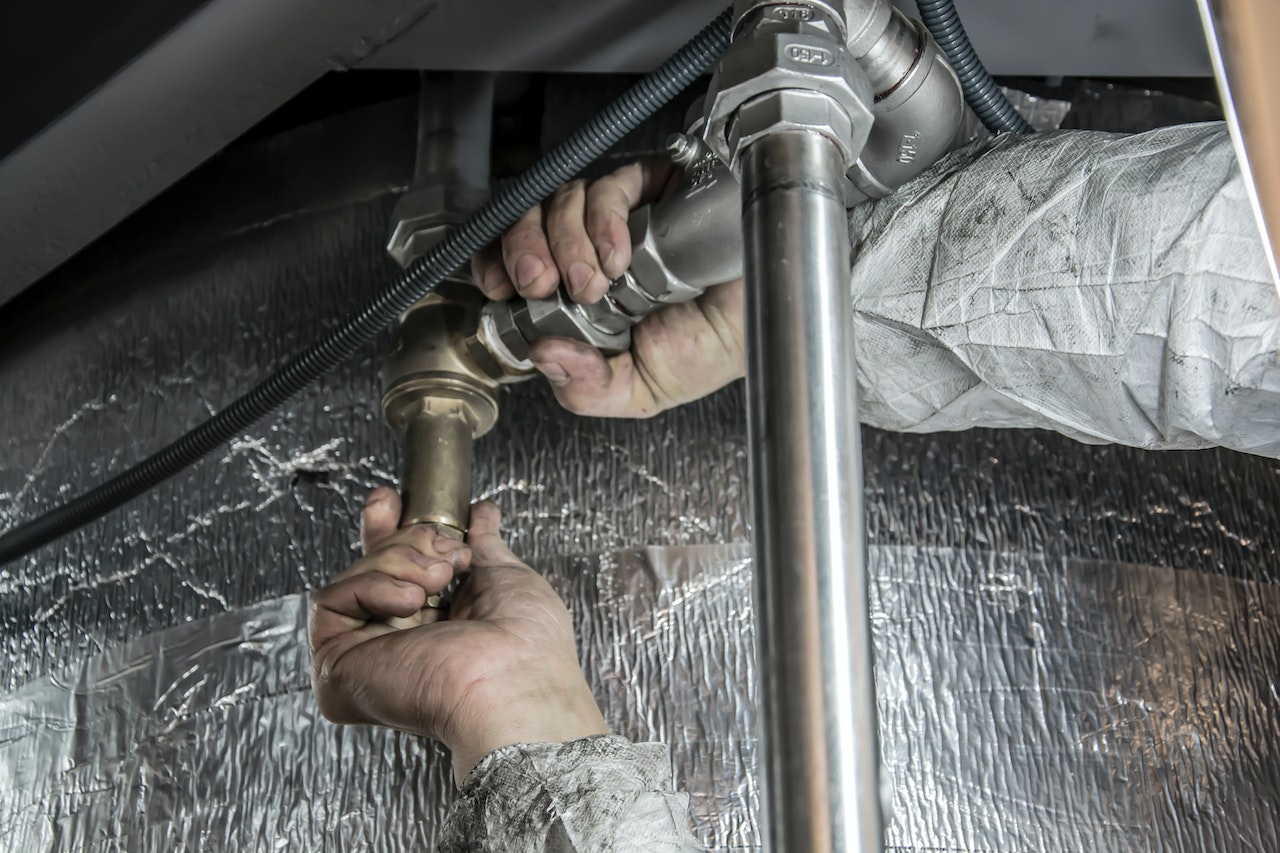
Cities are often discussed in terms of rent prices, square footage, and walkability, but the systems behind the walls matter just as much. In dense housing markets, especially those with older buildings and mixed-use properties, everyday infrastructure problems can shape how livable a place really feels. Plumbing sits near the top of that list, not because it's glamorous, but because when it fails, everything else grinds to a halt.
Urban housing stock across the U.S. is aging. According to data from the U.S. Census Bureau, nearly 40% of American homes were built before 1970, which means many still rely on outdated pipes and fixtures that were never designed for modern usage levels. In apartment-heavy regions, one small leak can affect multiple units, turning a private inconvenience into a building-wide issue.
Why Plumbing Matters in Rental and Multi-Unit Housing
For renters, plumbing problems often surface without warning. Slow drains, inconsistent water pressure, or recurring leaks can point to deeper structural issues that landlords may not immediately see. For property managers, these issues create a different kind of risk: unresolved plumbing faults can lead to mold, water damage, or even code violations.
The Environmental Protection Agency estimates that household leaks waste roughly 10,000 gallons of water per year per home, a figure that scales quickly in multi-unit buildings. Beyond higher utility costs, that wasted water often signals damage happening behind walls or under floors, areas that are expensive and disruptive to repair once ignored for too long.
Infrastructure Gaps Between Cities
While major metro areas share similar housing pressures, infrastructure shows subtle variation widely from city to city. Older coastal cities often face corrosion issues tied to pipe materials used decades ago. In contrast, fast-growing Sun Belt cities deal with strain caused by rapid development and higher occupancy rates.
In places like Southern California, where seismic activity and soil movement are part of daily reality, plumbing systems experience additional stress. It's why conversations about housing quality increasingly include access to reliable maintenance resources, including plumbing help for Burbank residents, where older residential neighborhoods sit alongside newer developments and mixed-use properties.
This kind of support isn't just about emergency fixes. It reflects a broader shift in how urban residents think about housing stability: not just where they live, but how well the systems supporting that space hold up over time.
The Financial Impact of Deferred Repairs
From an investment perspective, plumbing issues rarely stay small. The Insurance Information Institute estimates that freezing and water damage account for nearly 30% of all homeowners' insurance claims. This shows it's one of the most common and costly property risks nationwide.
For landlords and developers, proactive maintenance is often far cheaper than reactive repair. For tenants, it can mean the difference between a comfortable lease and a constant source of stress. These dynamics influence everything from tenant retention to long-term property value, even if they rarely appear in listings or marketing materials.
Endnote
Real estate conversations tend to focus on visible features: location, layout, and finishes. Yet the systems people never see, i.e., pipes, drains, and valves, also play a vital role in determining whether a home functions as intended. As cities continue to balance growth with aging infrastructure, attention to these fundamentals will play a larger role in how urban housing is evaluated, regulated, and lived in.
Published 1/24/26