Buying Your First House With a Septic System: What to Check
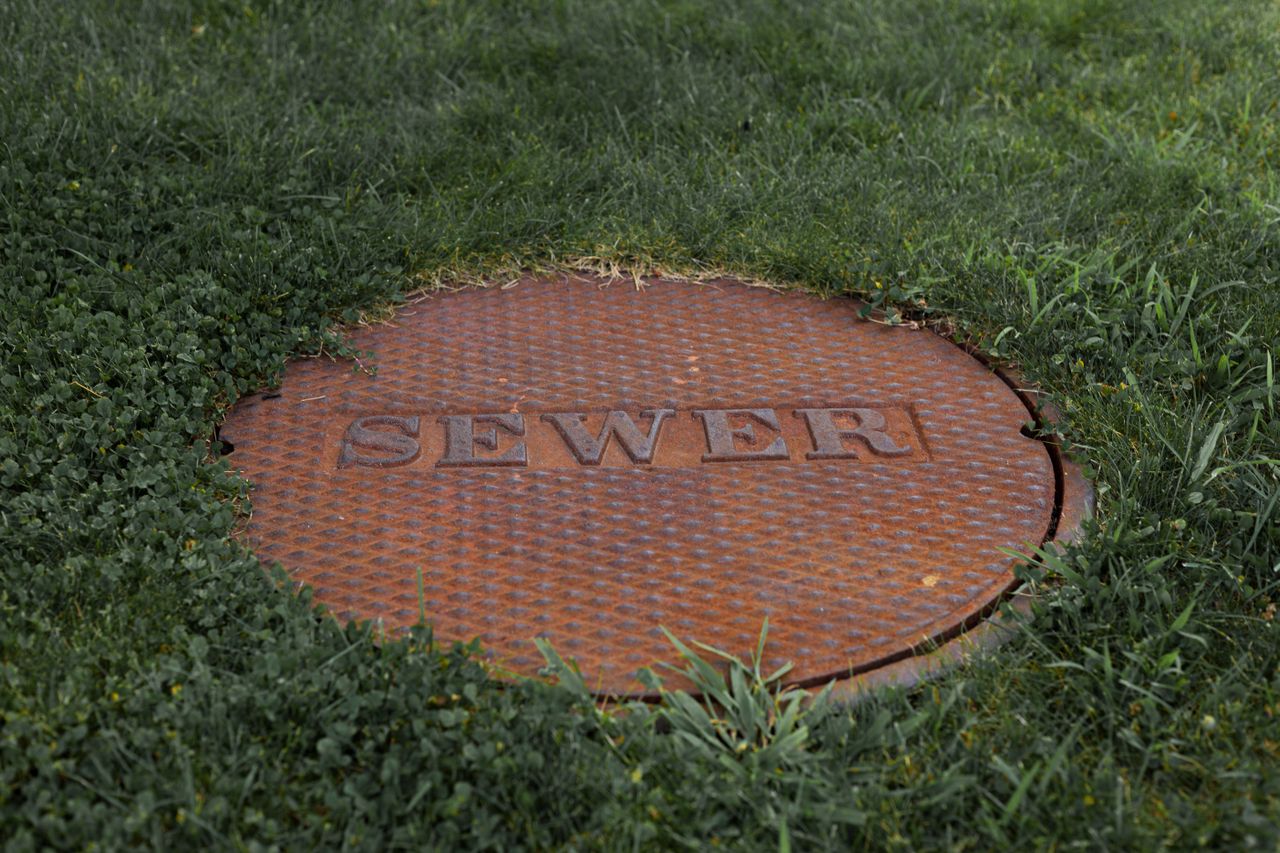
Many people who move from an apartment to their first house never had to think about where the water goes after it leaves the sink. In the city, it goes to the public sewer. But outside the city, a lot of homes use a private septic system, and the new owner is responsible for it. If you are looking at houses in the suburbs or in a rural area, it is worth knowing how these systems work and what to check before you sign.
How a septic system works
A septic system has two main parts: a tank and a drainfield. Wastewater from the house flows into the tank, which is usually buried in the yard. Solids settle at the bottom, and grease and scum float on top. The liquid in the middle flows out to the drainfield, a set of pipes in gravel or soil, where it slowly soaks into the ground and gets filtered.
When the system is maintained, it can last for decades. When it is ignored, solids build up, the drainfield clogs, and the repair can be one of the most expensive problems a homeowner faces. Replacing a failed drainfield often costs more than a new roof.
Why an inspection matters
A general home inspection usually does not include the septic system. The home inspector may run water and look for slow drains, but they do not open the tank or check the drainfield. For that you need a separate septic inspection.
In some states, an inspection is required when a house is sold. Massachusetts, for example, has Title 5 rules for this. In other places, the county sets the rules, and the buyer may need to ask for an inspection as part of the offer. Either way, it is your money at risk, so it makes sense to get one even if the law does not require it.
What the inspector checks
A good septic inspection usually includes:
- Finding and opening the tank, and measuring the level of solids and scum
- Checking the inlet and outlet baffles, which keep solids out of the drainfield
- Looking for cracks, leaks, or roots in the tank
- Checking the drainfield for wet spots, odors, or very green grass that may mean a problem
- Checking any pumps, alarms, or filters if the system has them
Many companies also pump the tank during the inspection, because it is easier to see the condition of an empty tank. Some send a report with photos, which is helpful when you negotiate with the seller. If you are buying in Western Washington, a local company like Beaver Septic Service can do this kind of inspection and explain the results in plain terms.
Questions to ask the seller
Before you make an offer, ask the seller or their agent:
- When was the tank last pumped?
- Are there records of past inspections or repairs?
- How many bedrooms was the system designed for?
- Where exactly are the tank and the drainfield?
- Have there been any backups or slow drains?
If the seller has no records at all, take that as a reason to be more careful, not less.
What to do with the results
If the inspection finds a small issue, like a broken baffle or a missing riser, it can often be fixed for a modest cost, and you can ask the seller to pay for it or lower the price. If the drainfield is failing, you may want to walk away or ask for a large credit.
A septic system is not a reason to avoid a house. Many people live with one for years without trouble. Just treat it like any other big part of the home: know its condition before you buy, and plan for regular pumping after you move in.