How Can Variable Data Printing Personalize Marketing Materials And Reach Target Audiences?
Marketing materials do not usually attract attention when they convey the same message to all customers. Your audience can consist of individuals with various interests, needs, and purchasing patterns. Consequently, a generic message might not be perceived as pertinent enough to act. This can limit engagement and reduce the value of your marketing efforts.
Variable data printing provides a feasible means to overcome this challenge. It enables you to tailor printed materials with customer data, including names, localities, likes, and purchase history. You can create personalized communications while producing large quantities of printed materials in one print run.
You can be more relevant and target certain audience groups with the right data and planning. The six strategies below demonstrate how variable data printing customizes marketing pieces and assists you in targeting audiences.
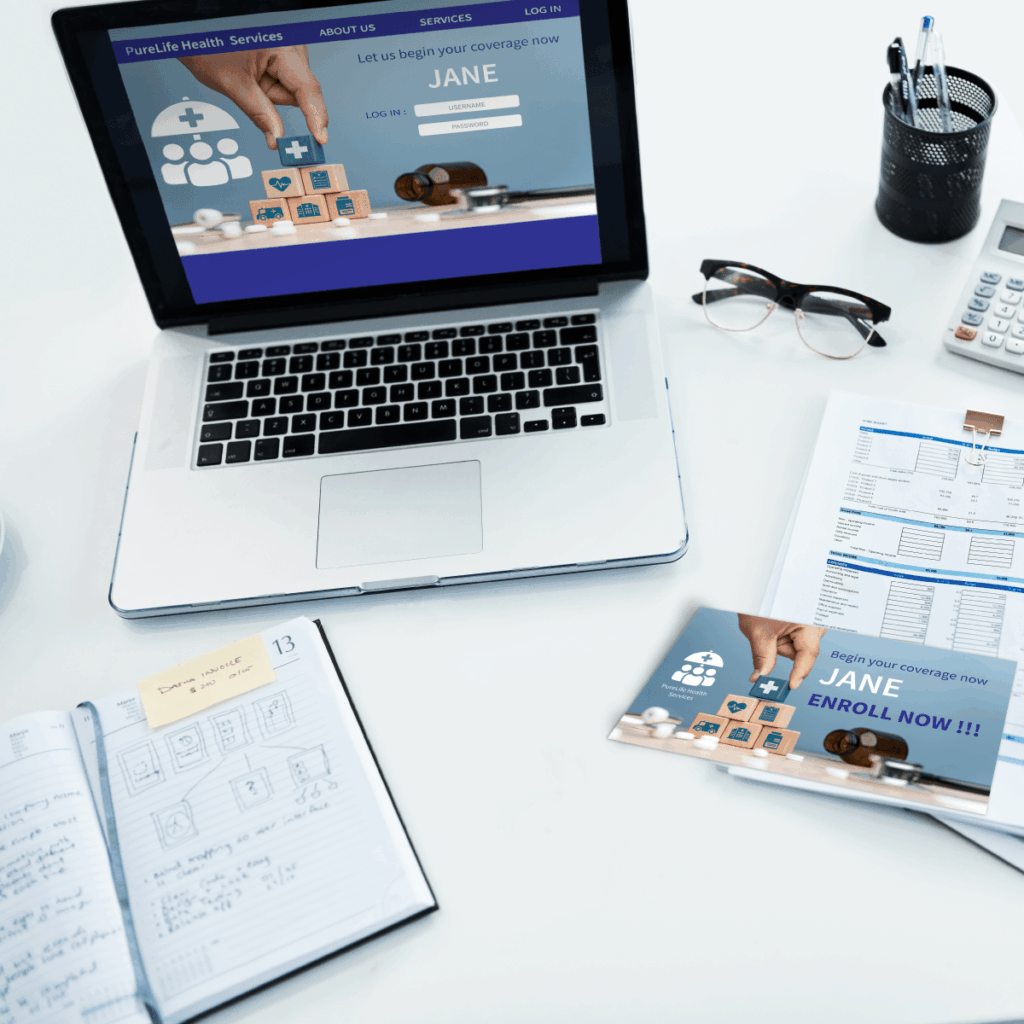
1. Customize Marketing Messages for Individual Customers
Variable data printing allows you to customize printed materials for different customers without creating a separate print job for each person. You can change names, headlines, images, and offers using information from your customer database. This helps you deliver relevant messages while keeping your campaign design consistent.
For example, a fitness center could promote strength training to customers interested in weightlifting. It could send a separate postcard highlighting yoga classes to people who prefer low-impact exercise. Both postcards can use the same branding but feature different messages.
To make this approach effective, focus on customer needs. Personalize the details that make your message more relevant and useful.
2. Segment Audiences Based on Customer Data
Audience segmentation helps you group customers based on shared traits, such as location, interests, purchase history, and previous interactions. This makes it easier to understand their needs and create relevant marketing materials.
With variable data printing, you can customize messages for each group. For example, a retailer could send product offers based on customers’ previous purchases. A local business could also create different mailers for customers in separate service areas.
Before starting your campaign, review your customer data carefully. Identify meaningful differences between groups and keep records accurate and up to date. This approach helps you deliver relevant messages and avoid sending customers information that does not match their interests.
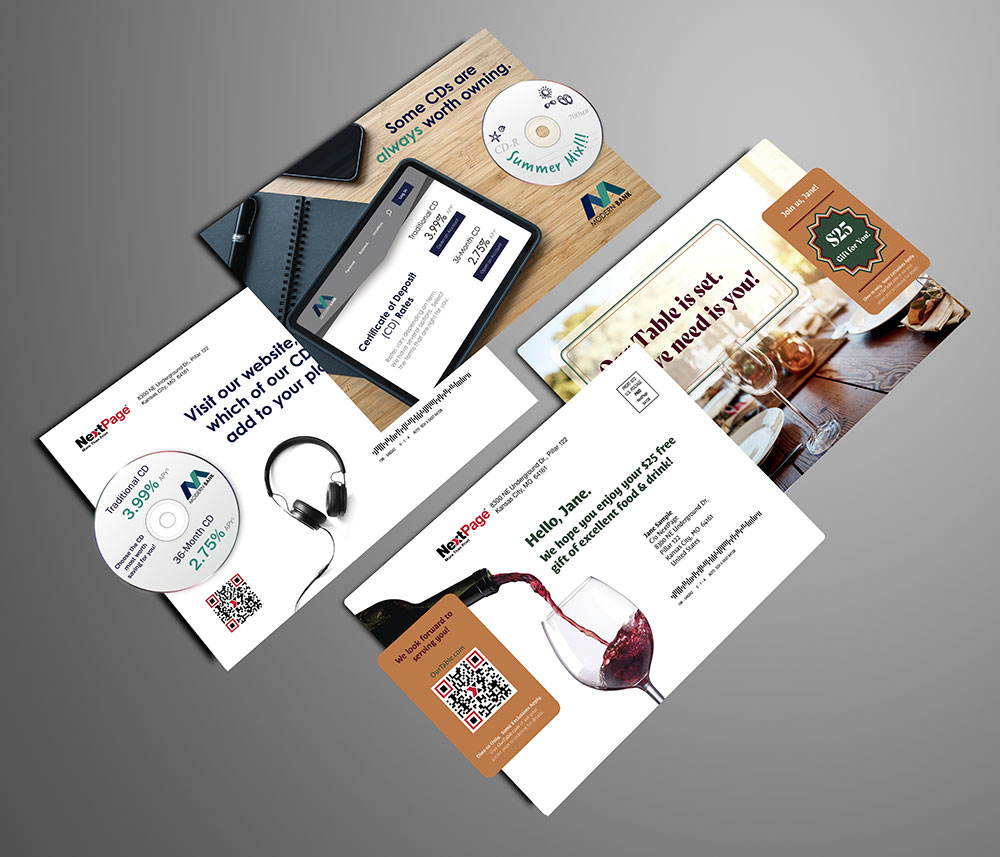
3. Personalize Offers Based on Customer Preferences
A generic promotion may not interest someone who has no need for the featured product or service. Personalized offers help address this issue by connecting your marketing message with a customer’s preferences, previous purchases, or stage in the buying process.
For example, an online clothing store could send a discount on running shoes to customers who have previously purchased athletic wear. A home improvement business might promote seasonal maintenance services to homeowners in relevant locations. With variable data printing, you can adjust the offer, supporting message, and visual elements to suit each audience group.
To get better results, make sure every offer has a clear purpose. You might focus on encouraging repeat purchases, introducing a related product, or motivating customers to use an available service.
Also, ensure that the offer is valid and that its terms are easy to understand. Relevant promotions can make printed communications more useful and give recipients a clear reason to respond.
4. Create Relevant Content for Different Audience Groups
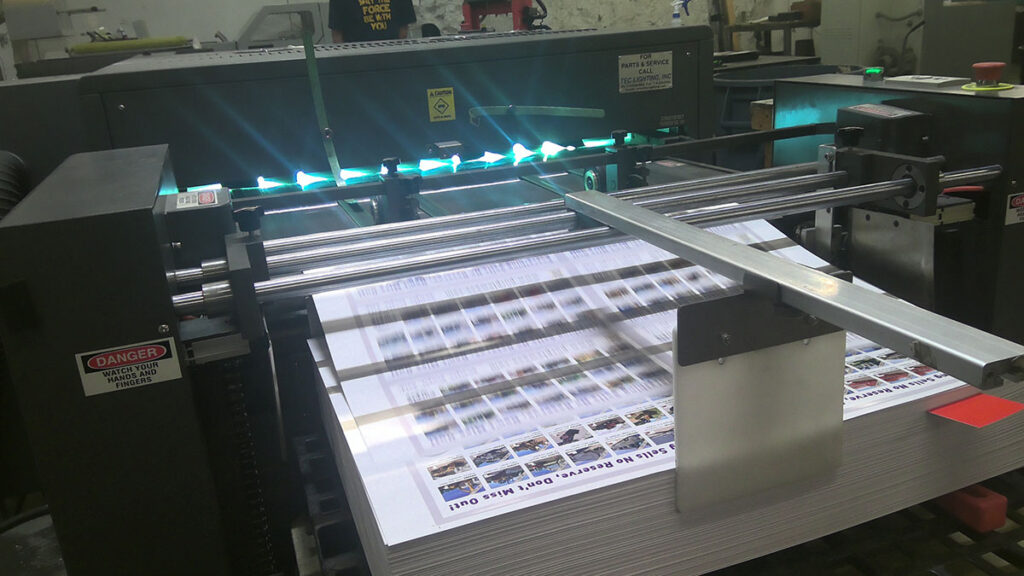
Personalization involves more than inserting a customer’s name into a headline. The information, images, and examples in your marketing materials should also reflect the recipient’s needs and interests. This makes your communication more specific and helps readers understand why your product or service may be relevant to them.
For example, a software company serving healthcare providers and financial businesses could create different brochures for each industry. The healthcare version might highlight appointment management and patient communication, while the financial services version could focus on reporting and customer account workflows.
You can use variable data printing to change images, product descriptions, testimonials, calls to action, and other content within a shared template. Before printing, check that each version contains accurate information and matches its intended audience. A consistent visual identity combined with relevant content helps you maintain brand recognition across multiple audience segments.
5. Improve Direct Mail Engagement with Personalized Designs
Printed marketing materials need to capture attention quickly and communicate their value clearly. Personalized design can help you achieve this by making each piece more relevant to the recipient. Instead of relying on a single image or headline for everyone, you can adapt visual elements to match different customer groups.
For example, a travel agency could feature family destinations for customers interested in family holidays and adventure trips for customers who prefer outdoor activities. Similarly, a nonprofit organization could tailor fundraising letters to different donor groups, using appropriate messages based on their previous engagement.
When planning your design, keep the layout easy to scan. Use readable fonts, clear headings, relevant images, and one primary call to action.
You can also include personalized URLs or QR codes to direct recipients to relevant landing pages, provided the links work correctly. Before production, review sample versions to confirm that text, images, and variable fields appear in the right places.
6. Track Campaign Performance and Refine Audience Targeting

Personalized marketing materials become more useful when you measure how recipients respond. Tracking campaign performance helps you identify which audience groups engage with your messages and which elements may need improvement.
For example, you could send two postcard versions with different headlines or offers to comparable customer groups. Use unique QR codes, personalized URLs, or campaign-specific response codes to measure visits and responses. You can then compare the results to determine which approach better supports your campaign goals.
Consider metrics such as response rates, website visits, conversions, and revenue generated, depending on the purpose of your campaign. Also, account for campaign costs when evaluating results. A high response rate does not always mean a campaign is profitable.
Use these findings to improve future campaigns. You might adjust audience segments, test different offers, or revise your message.
However, change one major element at a time when possible so you can better understand what influenced the results. Always handle customer data responsibly and follow applicable privacy requirements.
Conclusion
Variable data printing helps you make marketing materials more relevant by adapting messages, offers, images, and other elements to specific recipients. By combining accurate customer data with thoughtful audience segmentation, you can deliver communications that better reflect individual needs. Personalized designs and clear calls to action can also encourage recipients to respond.
However, effective campaigns require more than customization alone. You need a clear objective, reliable data, careful quality checks, and consistent performance tracking. Start by identifying your most important audience groups and testing a focused campaign. Then use the results to refine your approach and build more effective marketing materials over time.