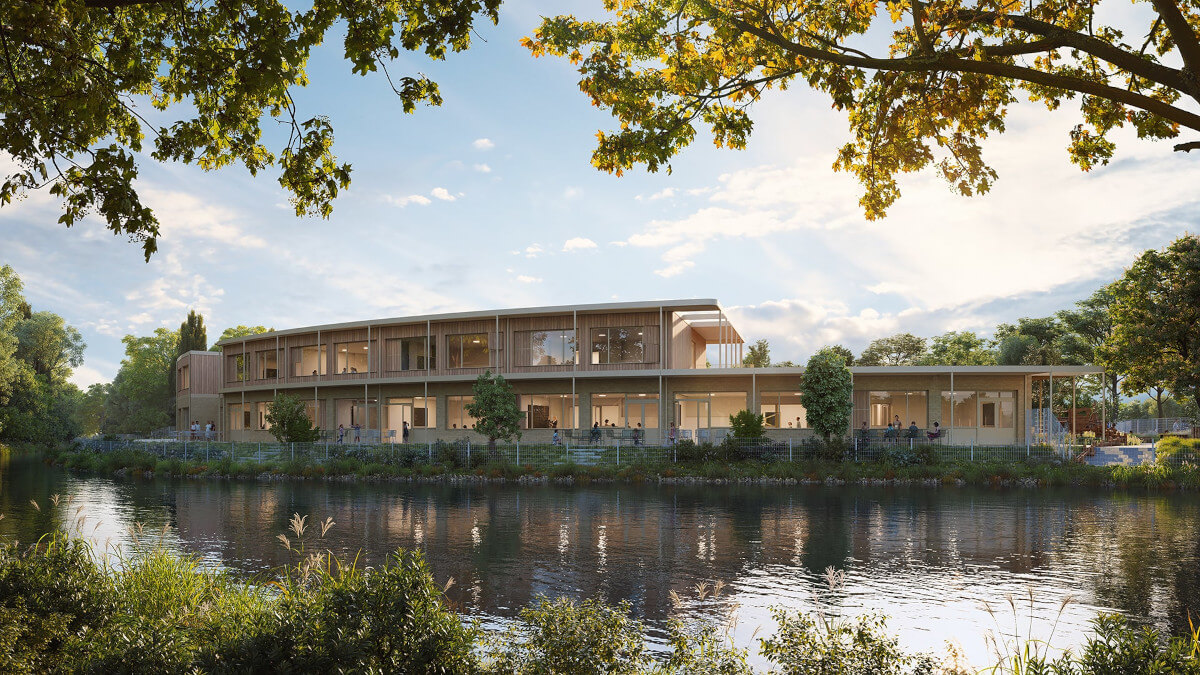
How 3D Renderings Help Landlords, Brokers, and Developers Market Properties Before Photography Is Available
Real estate marketing usually works best when people can clearly see what they are being offered. A strong listing photo can help a buyer imagine a future home. A good exterior image can make a rental building feel more trustworthy. A well-staged interior can help a property stand out in a crowded market.
But what happens when the property is not ready to photograph?
This is a common problem for landlords, brokers, developers, builders, and property managers. A unit may still be under renovation. A new residential building may be months away from completion. A commercial space may be empty and unfinished. An apartment may have outdated photos that no longer match the planned improvements. In these cases, real estate teams still need to market the property, generate interest, and answer questions before professional photography is possible.
This is where 3D renderings have become a practical tool for real estate marketing. They allow properties to be presented clearly before construction, renovation, furnishing, or staging is complete.
Why Photos Are Not Always Available at the Right Time
In an ideal situation, a property is finished, cleaned, staged, photographed, and then listed. In reality, real estate timelines are rarely that simple.
A landlord may want to start advertising a renovated apartment before the contractor finishes the work. A developer may need to begin pre-leasing units while the building is still under construction. A broker may be trying to explain the potential of an empty retail space to a future tenant. A property owner may want to show what a basement, attic, or outdated unit could become after improvements.
Photography is useful only when there is something ready to photograph. When the final version of the property does not yet exist, photos can either be unavailable or misleading. Old photos may show poor finishes, empty rooms, bad lighting, or previous tenant conditions. Construction photos can be even worse for marketing, because they often create uncertainty rather than excitement.
3D renderings help solve this gap. They show the intended final result, not the temporary condition of the space.
Helping People Understand Potential
Many buyers and renters struggle to imagine what a space could become. Real estate professionals may see the potential immediately, but the public often needs visual help.
An empty apartment can feel smaller than it really is. A room without furniture can be hard to understand. A renovation plan may sound good on paper, but still feel abstract to someone looking at a listing online. Even a simple floor plan may not be enough for people who are not used to reading architectural drawings.
A rendering can make the potential easier to understand. It can show the scale of the room, the relationship between furniture and windows, the style of the finishes, and the overall atmosphere of the space.
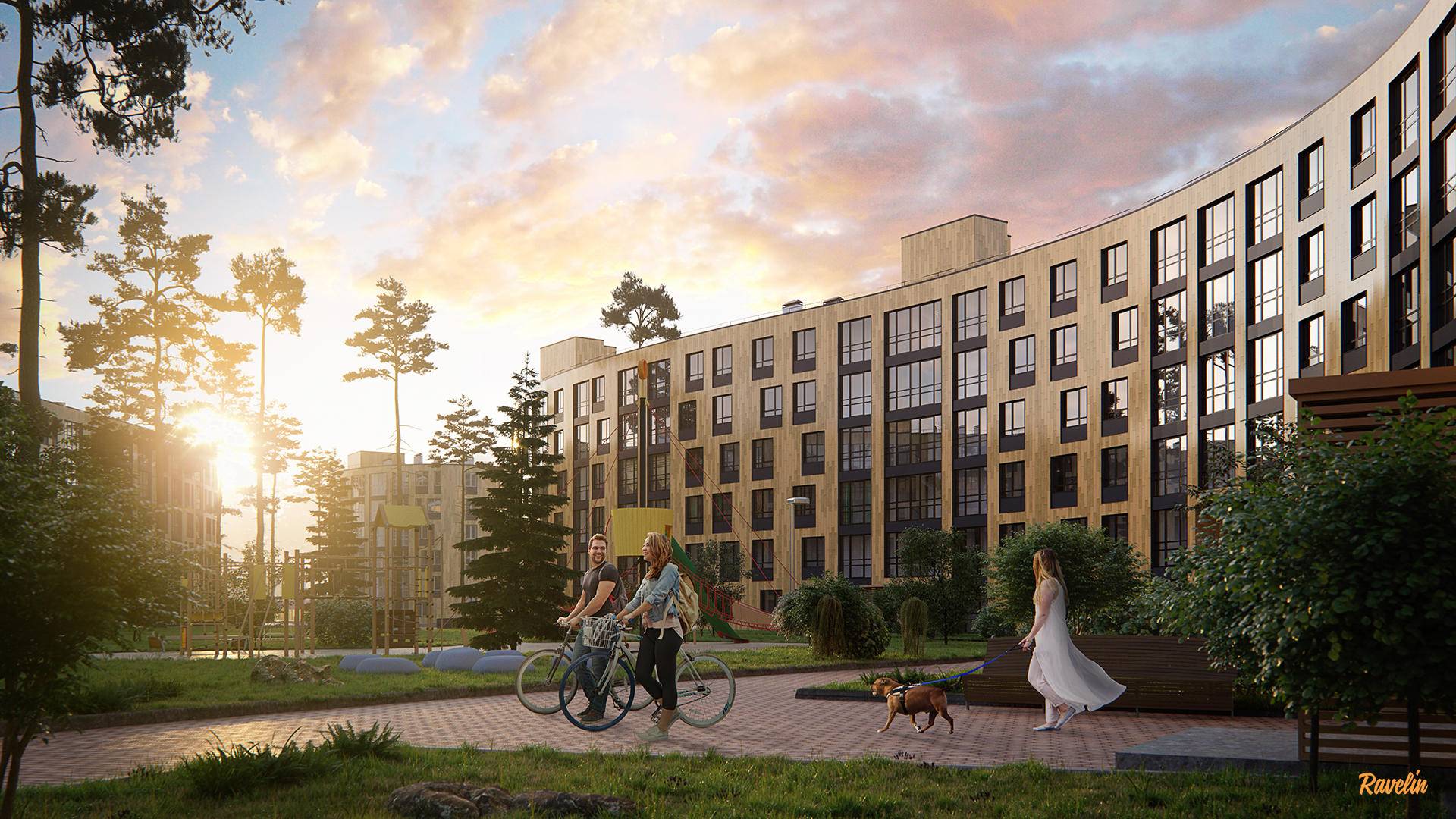
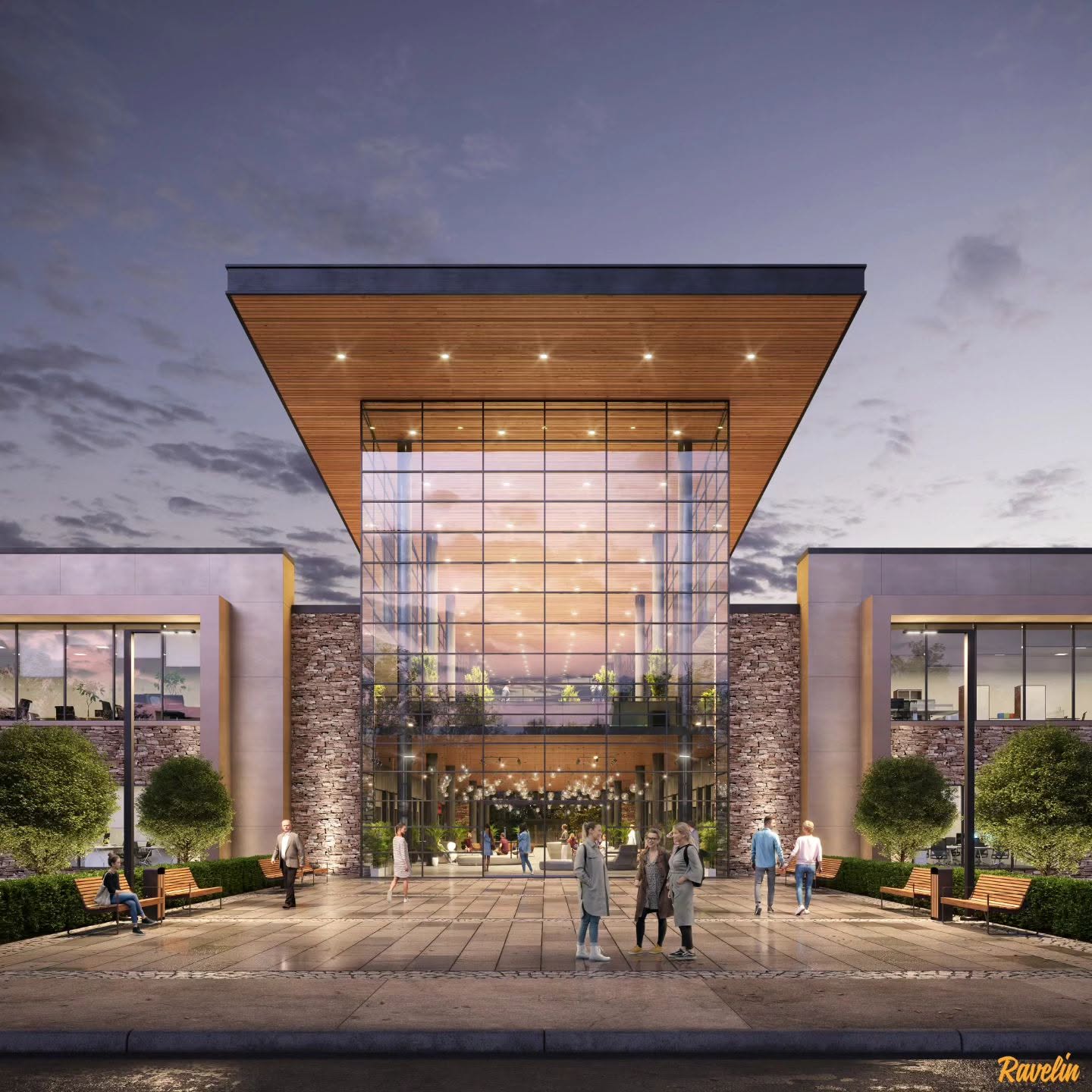
For a renovated apartment, a rendering can show new flooring, kitchen cabinets, lighting, bathroom finishes, and furniture layout. For a new development, it can show exterior architecture, entrance areas, common spaces, unit interiors, roof decks, courtyards, and amenities. For a commercial space, it can show how an unfinished shell could look as a cafe, office, showroom, or retail environment.
The purpose is not to replace the real property. The purpose is to help people understand the finished vision before it is physically available.
Better Marketing for Pre-Leasing and Pre-Sales
For developers and property owners, time matters. Waiting until construction is complete can mean losing valuable weeks or months of marketing.
Pre-leasing and pre-sales depend on trust. Prospective tenants or buyers need to feel confident that the finished property will match the promise. Renderings make that promise visible. They can be used in listings, brochures, landing pages, email campaigns, social media, investor presentations, and on-site sales materials.
A small multifamily developer might use renderings to show future units before the building is complete. A property manager might use them to market renovated apartments before the renovation is finished. A broker might use them to help lease a space that is still under construction.
In all of these cases, visuals help reduce hesitation. People can see what they are considering instead of relying only on descriptions.
This is why many real estate teams use 3D renderings for real estate projects when they need to present properties before final photography is possible.
Making Listings More Competitive
Online real estate searches are highly visual. People scroll quickly, compare options fast, and often make first judgments based on images.
If a listing has weak photos, no photos, or only construction images, it may be skipped even if the property itself has strong potential. This is especially true in competitive rental and sales markets, where many options are presented side by side.
Renderings can give a listing a more polished first impression. They can show rooms with furniture, warm lighting, clean finishes, and a clear sense of lifestyle. They can also help highlight features that may be hard to explain in words, such as open-plan living, natural light, outdoor space, storage, modern kitchens, or flexible work-from-home areas.
For apartments, this can be especially helpful. Many renters are trying to understand quickly whether a unit feels livable, comfortable, and well planned. A rendering can help answer those questions visually.
Showing Renovations Before They Are Finished
Renovation projects are one of the best use cases for 3D visualization. A property may be in the middle of upgrades, but marketing still needs to continue.
A landlord might be replacing an old kitchen, updating flooring, repainting walls, or modernizing a bathroom. A property owner might be converting a dated unit into a more competitive rental. A developer might be repositioning an older building with updated interiors and amenities.
Before-and-after potential can be powerful, but only if people can clearly see the "after."
Renderings allow owners and brokers to show the planned improvements while the work is still underway. This can help generate early interest and shorten the time between renovation completion and occupancy.
They can also help owners make better design decisions. If different cabinet colors, flooring styles, or furniture layouts are being considered, visualization can make the options easier to compare before money is spent on materials.
Reducing Confusion and Repeated Questions
Good visuals also make communication easier. Without clear images, real estate professionals often have to explain the same things again and again:
- What will the kitchen look like?
- How large is the living room?
- Can a queen bed fit in the bedroom?
- What will the lobby look like after renovation?
- Will the outdoor space be usable?
- How will the building look from the street?
A rendering can answer many of these questions at a glance. It gives prospective tenants, buyers, investors, and internal teams a shared visual reference.
This does not mean every rendering must be dramatic or overly stylized. In many cases, the most useful real estate rendering is simply clear, realistic, and honest. It should show the property in a way that feels attractive but believable.
Accuracy Matters
Real estate renderings work best when they are based on real project information. Measurements, floor plans, elevations, material references, site photos, and finish schedules all help create more accurate visuals.
This is important because the goal is not to create a fantasy version of the property. The goal is to communicate the future space as realistically as possible.
For rental and sales marketing, accuracy builds confidence. If the final property looks very different from the marketing visuals, trust can be damaged. But when renderings are carefully prepared and based on real design information, they can become a reliable preview of what is coming.
A Practical Tool for Modern Real Estate Marketing
3D renderings are often associated with large luxury developments, but they can be useful for many types of real estate. Apartments, small multifamily buildings, renovations, commercial spaces, new construction, and property upgrades can all benefit from clearer visual presentation.
For landlords, renderings can help market renovated units sooner. For brokers, they can make listings more attractive and easier to explain. For developers, they can support pre-sales, pre-leasing, investor communication, and project promotion. For property managers, they can help present planned improvements to tenants or owners.
Real estate marketing is about helping people make decisions. The more clearly a property can be presented, the easier it becomes for someone to understand its value.
When photography is not yet possible, 3D renderings provide a way to show the finished vision early. They help turn plans, construction sites, and unfinished spaces into marketing materials that people can understand, remember, and respond to.
In a market where attention is limited and visual presentation matters, that can make a meaningful difference.