Smart Digital Tools for Apartment Hunters and Remote Renters
There was a time the process of apartment hunting started with checking newspaper ads and calling real estate agencies. These days, we're far more used to relying on high-tech platforms with their complex algorithms. The first stages of finding new housing in the modern world tend to happen in the digital landscape, especially if you're looking to relocate to a remote neighborhood or even to another city as often happens with digital nomads. Things can get convenient and risky in equal measure; learning to understand the intricacies of modern services helps mitigate those risks.
Below you'll find a range of useful tips and information tidbits that will help you choose the right tools and maintain safety during your next apartment move. Extra emphasis is placed on the matter of online privacy. What makes it so crucial? You'll know as you read on.
In What Ways the Real Estate Market Has Come to Be Digitalized?
If you think apartment search can get exhausting nowadays, you should look back at what the whole thing looked like ten or fifteen years ago. Talking on the phone for sometimes hours on end; having to take time off work or sacrifice your free time for multiple meetings, many of them fruitless; the repeated disappointment of realizing the actual property doesn't quite match the pictures in the listing—those were the highlights of the process back then. Fortunately, today things are a lot more accessible and transparent.
The advance in technology allows online listings to be considerably more nuanced, informative, and relevant. Most high-quality services now offer:
- Virtual tours: You essentially get to explore the entire apartment without a personal visit.
- Map integration: Learn your way around the neighborhood from the comfort of your own home or office.
- Built-in user verification: Way lower chances of running into a scammer, way more peace of mind.
Additionally, there are tools for filtering properties by dozens of parameters: from high-speed internet availability to pet-friendly policies.
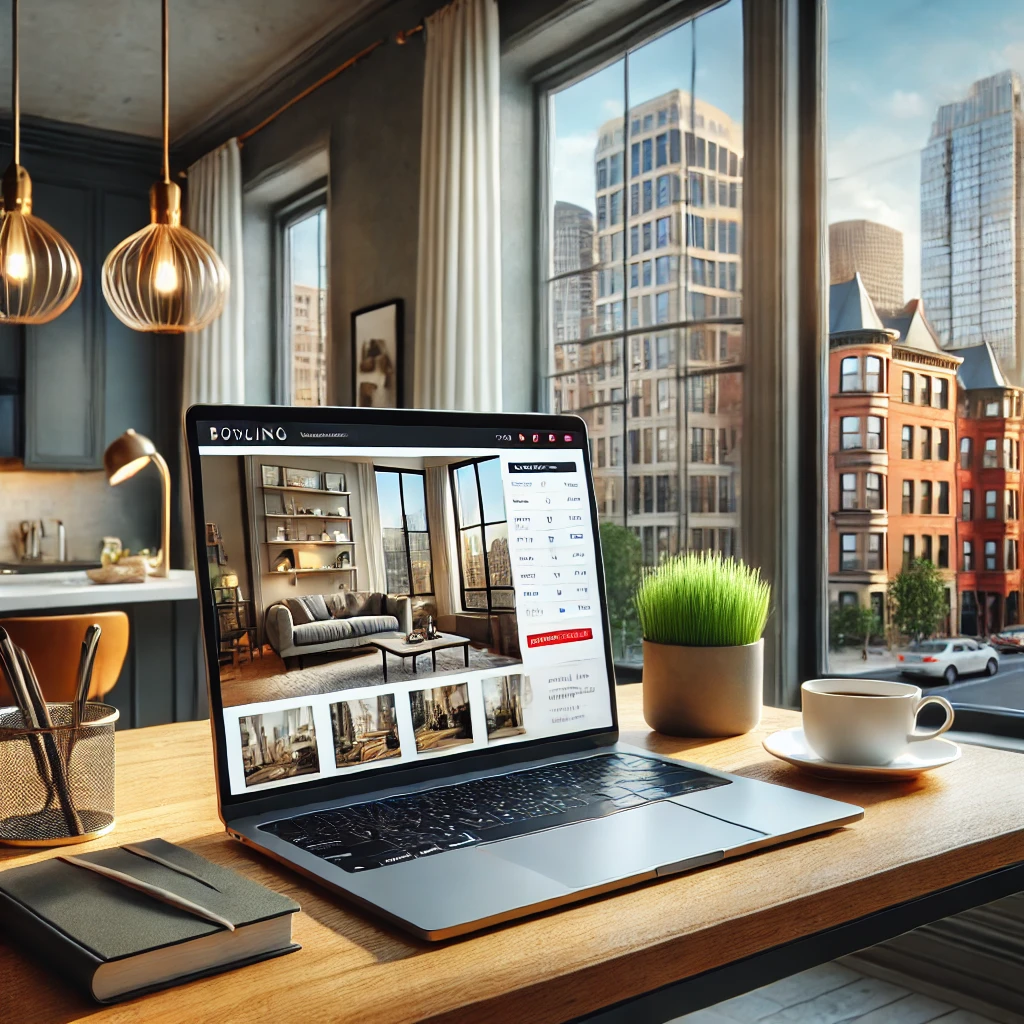
How to Use Rental Apps Effectively
Whether you're keeping your move within the borders of the same city or planning a more significant relocation, such services truly are indispensable. And there's a way to get even more out of them by sticking to a few simple rules:
Remember to fill your profile. It's a great chance to put your best foot forward from the get go. Being upfront about your income, occupation, and family situation is always a good idea. Take advantage of the chance to confirm your status as a non-smoker. Remember to mention it if you've got any pets (or, conversely, if you've got an allergy or another reason to prefer a pet-free building).
Set up notifications. The rental market in major cities is extremely dynamic. Setting up instant alerts for new listings is often the only chance to secure a good option before it is snapped up by others.
Compare different options. Do not limit yourself to one platform. Analyze prices and conditions in various apps to get an objective picture of "city living" in your chosen district.
Safety First: Why Online Privacy Matters
Searching for housing online inherently creates a "digital footprint." Users often enter passport details, provide banking information, and correspond with unknown landlords. At this moment, online privacy becomes highly vulnerable.
Rental scams pose a particular danger. Fraudsters are known to create fake listings for real estate they have no claim of ownership to in order to collect deposits and disappear. There are certain unscrupulous ad networks that will accept those listings and push them your way. In order to avoid tracking by such systems and generally keep your personal data safe you should always opt for secure browsing methods.
One effective protection method is the use of proxy servers. For example, services like Proxy-Seller.com allow you to change your IP address and hide your real location. This extra layer of anonymity offers effective protection from targeted advertising. Put your energy into finding the apartment that fits your own goals, not swatting away ads for options that are out of your price range, don't match your preferences, or are downright scammy. We can probably all agree planning a move is stressful enough without all that!
Checklist
It's always a wise decision to gather your digital toolbox in advance. This will make it easier to find optimal solutions and protect your interests:
Documents in cloud storage. Landlords typically ask for a scanned ID and proof of income. A reference letter or two wouldn't go amiss, either. Making these easily available as PDFs saves you scrambling later and reduces a lot of friction. Make sure to choose a secure cloud service and drop the files into a folder set to read-only. That way, you've always got a tidy link to share instead of hunting down files and clogging up anyone's inbox. If you truly want to set yourself apart, you can even use a shortening services to create a unique URL with your name.
A suite of privacy and security tools. The nature of apartment hunting is such that you often find yourself committing to it from public locations, such as hotels or airports. Taking advantage of public wi-fi while you're there is a great way to avoid splurging too much on your mobile plan. However, these free-for-all connection points aren't secure. Therefore, proxies become the optimal solution. You don't want to share your housing situation and other potentially sensitive information with just anyone, after all.
Password manager. To protect sensitive information, adopt reliable services. This is critical because when registering on numerous aggregator sites, it is very tempting to use the same password—which significantly increases vulnerability to hacking.
Apps for location and property analysis. Listings will understandably highlight the strengths of a property. However, a future tenant needs to see the full picture. Solutions like Google Street View can help. This helps you understand the environment—whether there is a park nearby or a noisy highway.
Internet speed test apps. Especially important for remote renters. Apps like Speedtest are extremely useful when viewing an apartment. Do not trust the advertising; check the ping and download speed yourself.
Keep in mind that other apps can also be useful. For example, smartphone software that measures ambient noise levels. There are also many useful apps for communication and documentation. You should always record virtual tours on video, even if they are shown online. Upon re-watching, you might notice flaws in the renovations or the apartment itself, helping you avoid liability for existing damage.
Task managers are also very beneficial. You can use Trello or Notion to create a search board and break tasks into columns. This helps track progress, monitor whom you have sent documents to, and see what stage you are at.
A deal-checking checklist is also very useful. Before signing a contract, check:
- The landlord's right to manage the property.
- The full list of payments in the contract.
So You're Relocating to a New City?
Here are some moving tips for the occasion. To avoid future problems, you must:
Request video confirmation of the apartment's condition at the time of lease. You may want to ask the owner to create a brief video that will include actions like running the taps, flipping the lights, or opening the windows. This helps confirm the state of the apartment and gives you both a clear record in case of a future dispute.
Study forums. There are specialized and general resources (e.g., housing rental forums) with useful articles about the history of districts, their specifics, and more.
Verify documents. Do not transfer money for rent before signing the contract. When transferring funds, use official tools that allow you to reverse the transaction if you discover fraud.
Common Blunders Tenants Make
Despite the availability of advanced rental apps and access to information, tenants continue to make classic mistakes that can cost them money, time, or nerves. Understanding these "pitfalls" is crucial.
Ignoring the "Digital Trail" of the Deal: Many tenants make a fatal mistake: they conduct all important negotiations verbally or via messengers without saving the history. As a result, the owner might promise to perform repairs or include specific services in the price. But if this is not reflected in the contract, the client cannot prove their case.
Neglecting the "Digital Reputation" of the Property: Users often look only at photos. However, apartment hunting requires deep analysis. A typical mistake is ignoring reviews about the management company or landlord.
Using Unsecured Communication Channels: The desire to save time often leads tenants to send personal documents (passports, financial reports) via unsecured messengers or public Wi-Fi. This creates a serious threat to online privacy.
Emotional Decisions Under "Scarcity" Pressure: In the city living market, you can often see artificial hype. This is a classic tactic used by scammers or unscrupulous realtors. To avoid problems, refuse to make decisions under pressure.
Underestimating Hidden Costs: Many tenants look only at the "base" rent. They forget to clarify utility bills or building maintenance fees. Avoid unpleasant surprises by asking for average utility bills from the last 3–6 months before signing.
Adaptation After Moving
You need to finish the apartment hunting process correctly. It doesn't end with the physical move. You must also set up a comfortable digital space for various needs.
First, perform an audit of your network infrastructure. It is advisable to configure the router yourself or check its settings. In city centers, the density of networks in apartment buildings can be surprisingly high, leading to interference and reduced speed. Use Wi-Fi analyzer apps to choose the least congested data channel.
Don't forget about automation and energy efficiency. If the landlord offers a "smart home" concept, use portable sockets, motion sensors, and autonomous thermostats to save on utilities.
Integration into the Local Community
Moving is always stressful. To adapt faster, use local platforms to find like-minded people. Services like Meetup or specialized neighborhood chats help you settle in and find answers to everyday questions, such as where the nearest dry cleaner is or how local waste sorting works.
Always maintain a digital archive for all rental-related documents. Use reliable cloud storage to upload copies of the contract, correspondence with the landlord, payment receipts, and property handover reports. In case of disputes (e.g., an illegal deposit withholding), a structured digital evidence base will be your main argument.
Conclusion
Today's rental market provides tenants with many opportunities for total control. Thanks to modern technology, finding the perfect home anywhere in the world is easy. But the most important thing is to stay vigilant. Always remember basic digital hygiene rules. With a smart approach, finding a new apartment will be both pleasant and safe.