Is Renting Throwing Money Away? A Clear-Eyed Look at the Debate
Few financial questions spark as much heated debate as this one: Is renting just throwing money away? It's a phrase often repeated in conversations about adulthood, success, and financial responsibility. But like most simple-sounding claims, the truth is more nuanced.
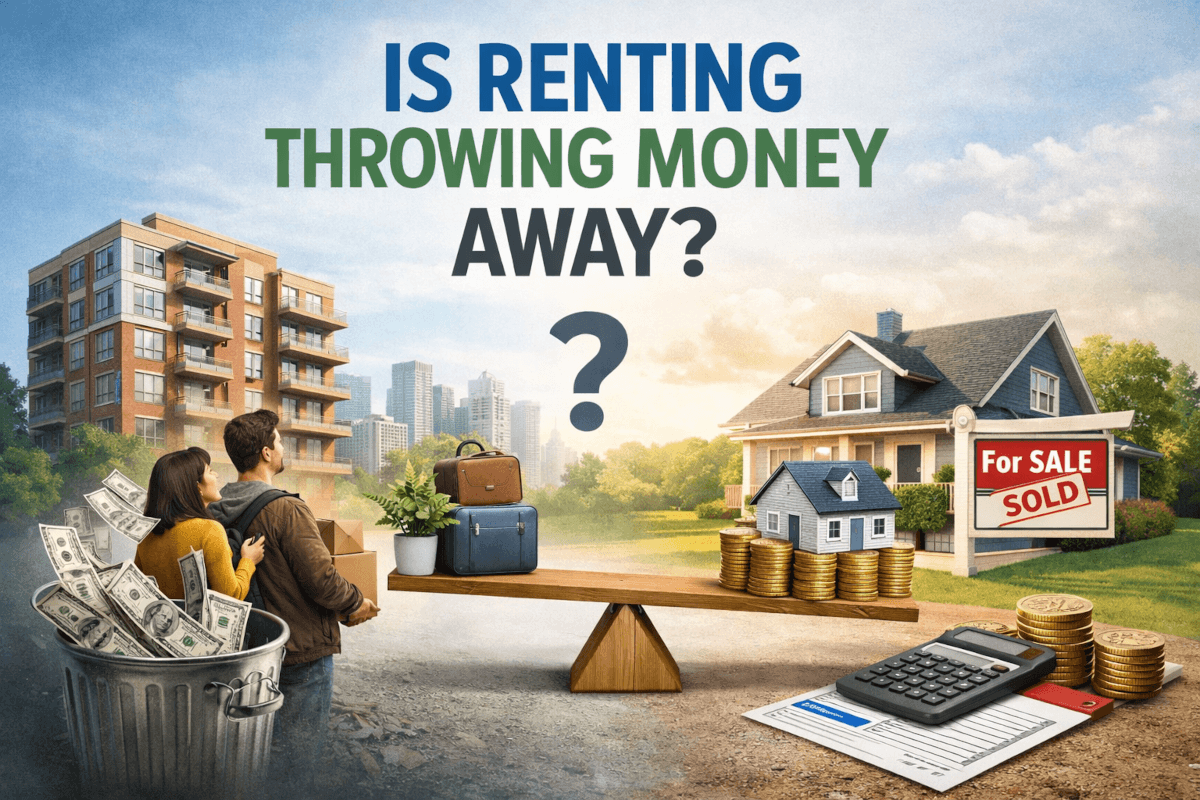
Why People Say Renting Is "Throwing Money Away"
The argument usually goes like this: when you rent, your monthly payment goes to a landlord, and you don't build ownership or equity. In contrast, when you buy a home, your payments contribute toward something you eventually own. From that perspective, renting can feel like paying for nothing long-term.
There's also a psychological factor. Homeownership is often associated with stability and wealth-building. So renting can feel temporary, even stagnant, by comparison. But this argument leaves out some important realities.
What Renting Actually Buys You
Rent isn't just money disappearing into thin air. You're paying for a place to live, just like homeowners do. The difference is in how you pay and what responsibilities come with it. When you rent, your payment typically covers:
- Shelter in a specific location
- Maintenance and repairs (handled by the landlord)
- Property taxes (indirectly)
- Flexibility to move more easily
In other words, you're buying convenience, flexibility, and reduced responsibility.
The Hidden Costs of Owning
Homeownership builds equity, but it also comes with significant costs that are easy to underestimate:
- Property taxes
- Maintenance and repairs
- Insurance
- Interest on your mortgage
- Opportunity cost (money tied up in a home instead of investments)
Especially in the early years of a mortgage, a large portion of your monthly payment goes toward interest, not equity. In that sense, even homeowners are "spending" money that doesn't come back.
Flexibility vs. Stability
Renting offers flexibility. If your job changes, your lifestyle shifts, or you want to explore a new city, renting makes it easier to move without the burden of selling a property.
Owning, on the other hand, offers stability. Fixed-rate mortgages can protect against rising housing costs, and you have control over your living space. Neither is inherently better, it depends on your goals and stage of life.
The Financial Reality: It Depends
Whether renting is "wasting money" depends on several factors:
- How long you plan to stay: Buying often makes more sense if you stay in one place for many years.
- Local housing market: In some areas, renting is significantly cheaper than owning.
- Investment habits: Renters who invest the money they save can build wealth comparable to homeowners.
- Lifestyle priorities: Flexibility, convenience, and lower responsibility may outweigh equity-building.
A Better Way to Think About It
Instead of asking whether renting is throwing money away, a more useful question is: "What am I getting in return for my money?"
Renting provides housing without long-term commitment or maintenance burdens. Buying provides ownership and potential appreciation, but with added costs and responsibilities. Both involve spending money. Both can be smart decisions.
The Bottom Line
Renting is not inherently throwing money away, it's paying for a different set of benefits. The real mistake isn't renting; it's assuming there's a one-size-fits-all answer. The smartest choice is the one that aligns with your finances, goals, and lifestyle, not someone else's definition of success.