How AC System Quality Affects Property Values in Abilene
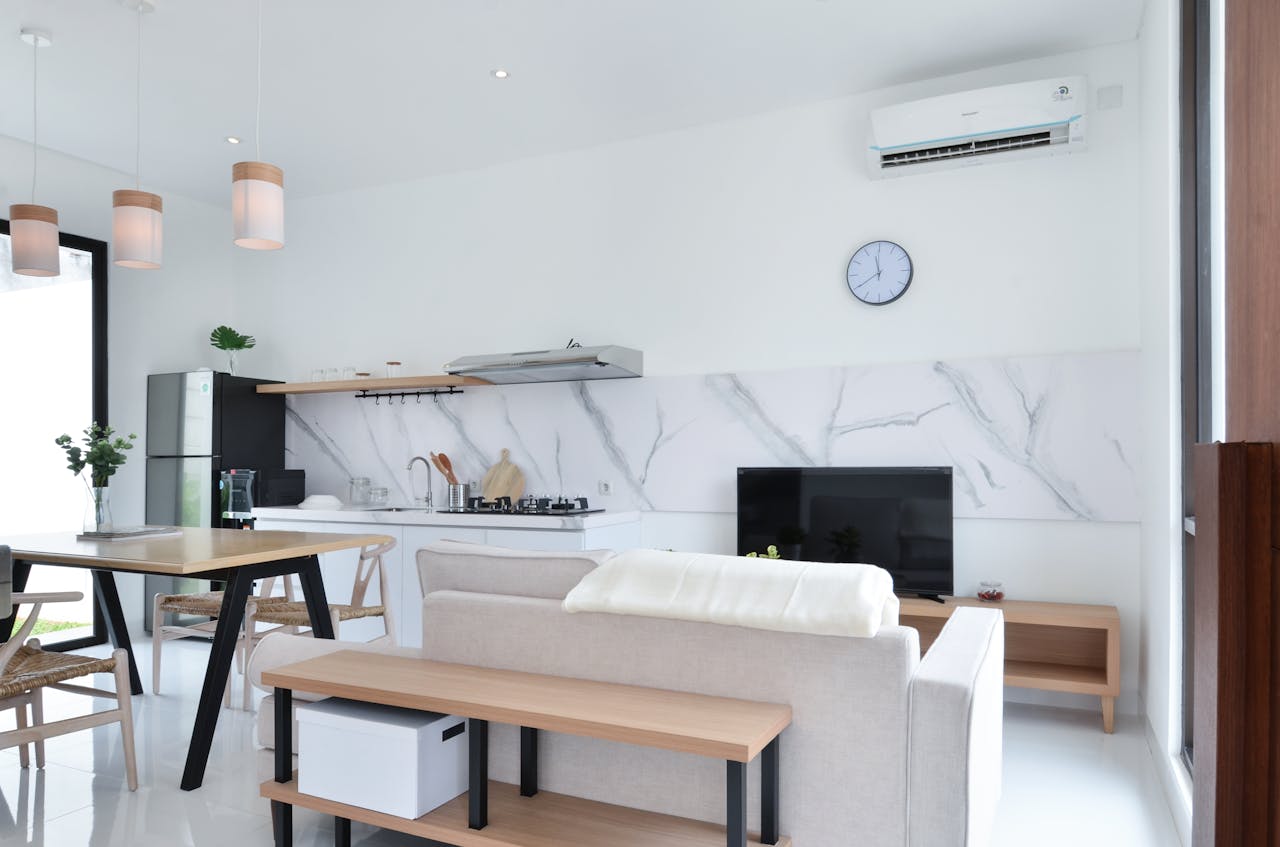
In Abilene, Texas, where summer temperatures regularly exceed 100 degrees, a functioning air conditioning system isn't a luxury—it's a baseline expectation. Yet many property owners underestimate how much HVAC condition influences real estate value, tenant retention, and marketability. A well-maintained cooling system can mean the difference between a property that sells quickly at asking price and one that languishes on the market with price reductions.
The relationship between climate control infrastructure and property value extends beyond simple comfort. Energy efficiency, system age, and maintenance history all factor into buyer decisions and appraisal outcomes. Understanding this connection helps property owners make strategic investments that protect and enhance their real estate assets.
Common AC Problems in High-Temperature Climates
Abilene's extreme heat places extraordinary demands on cooling systems. The constant workload accelerates wear on components and exposes weaknesses that might remain dormant in milder climates. Property owners face several recurring issues:
- Refrigerant leaks: High ambient temperatures increase system pressure, stressing connections and potentially causing refrigerant loss that reduces cooling capacity
- Compressor failure: Extended run times during summer months shorten compressor lifespan, often the most expensive component to replace
- Drainage blockages: Continuous operation produces substantial condensate that can overwhelm drain lines, leading to water damage
- Electrical control degradation: Heat exposure ages contactors and capacitors faster, causing intermittent operation or complete system failure
- Thermostat calibration drift: Temperature extremes affect sensor accuracy, resulting in inefficient cycling and uneven cooling
HVAC Systems as Value Drivers in Real Estate
Real estate appraisers and buyers increasingly scrutinize mechanical systems during property evaluations. In markets like Abilene, where cooling costs represent a significant portion of utility expenses, HVAC condition carries substantial weight in purchase decisions.
Energy efficiency stands at the forefront of buyer priorities. Modern systems with high Seasonal Energy Efficiency Ratio (SEER) ratings—now required to meet at least 14 SEER in Texas—can reduce cooling costs by 20-40% compared to older units.
Market data supports this emphasis on system quality. A 2023 analysis by the National Association of Realtors found that homes with recently updated HVAC systems sold 7% faster and commanded 3-5% higher prices than comparable properties with aging equipment. In Abilene's median home price range, that difference represents $6,000-$10,000 in additional value.
The investment calculus becomes even more compelling for rental properties. Tenants increasingly expect efficient climate control, and properties with modern systems experience lower vacancy rates and reduced maintenance calls. Property managers report that HVAC-related complaints constitute the largest category of maintenance requests—a problem that proactive system upgrades can largely eliminate.
Selecting Reliable HVAC Service Providers
The quality of installation and maintenance work directly impacts system performance and longevity. Not all HVAC contractors deliver equivalent results, making provider selection a critical decision for property owners.
Established regional providers with extensive local experience understand the specific challenges posed by Abilene's climate. When evaluating contractors, property owners should prioritize:
- Licensing and certification: Verify that technicians hold current NATE (North American Technician Excellence) certifications and proper state licensing
- Service range: Comprehensive providers offering installation, maintenance, and emergency repair reduce the complexity of managing multiple vendor relationships
- Response time commitments: In Abilene's summer heat, a broken AC constitutes an emergency—reliable contractors guarantee rapid response for critical failures
- Warranty coverage: Quality installations include robust warranty protection on both equipment and labor
- Maintenance programs: Scheduled service plans prevent problems before they escalate into expensive repairs
For property owners managing multiple units or commercial spaces, establishing relationships with dependable contractors becomes even more critical.
Abilene property owners can select reliable HVAC service providers from Quality Cooling Heating & Plumbing, Air Masters, or Cooks Air Conditioning & Heating for comprehensive climate control solutions.
Strategic HVAC Investments for Property Enhancement
Property owners face decisions about when to repair versus replace aging systems and how much to invest in efficiency upgrades. These choices significantly impact both immediate operating costs and long-term property value.
The "15-year rule" provides a useful guideline: systems older than 15 years typically cost more to maintain than replace, especially when factoring in efficiency improvements. Modern units use 30-50% less energy than models from the early 2000s, meaning replacement costs can be recovered through utility savings within 5-8 years.
Beyond basic replacement decisions, several upgrade options deliver measurable value increases:
- Variable-speed compressors: These systems adjust output to match cooling demand rather than cycling on and off, improving efficiency by 20-30% while providing more consistent temperatures
- Zoned climate control: Multi-zone systems allow independent temperature management for different areas, particularly valuable in larger properties or multi-unit buildings
- Smart thermostat integration: Programmable controls reduce energy waste and appeal to tech-savvy buyers and tenants
- Air quality enhancements: Advanced filtration and humidity control address health concerns while protecting system components
- Preventive maintenance contracts: Documented regular service provides buyers with confidence in system condition and remaining lifespan
For rental properties, these investments often justify higher rent rates while reducing tenant turnover. Owner-occupied properties see returns through lower utility bills and enhanced resale value. Either way, HVAC improvements represent one of the highest-return investments property owners can make.
Protecting Your Property Investment Through Climate Control
The connection between HVAC quality and property value extends beyond simple comfort provision. In Abilene's demanding climate, cooling systems represent critical infrastructure that buyers and tenants evaluate carefully. Properties with well-maintained, efficient systems command premium prices and rent faster than those with aging or problematic equipment.
Strategic HVAC investments deliver returns through multiple channels: reduced operating costs, fewer maintenance emergencies, improved tenant satisfaction, and enhanced marketability during sales. The key lies in proactive management—addressing problems before they escalate and upgrading systems before they become liabilities.
Property owners who treat HVAC systems as strategic assets rather than maintenance burdens position themselves for better financial outcomes. Whether preparing for a sale, managing rental properties, or simply protecting long-term value, climate control quality matters more than many realize.