6 Red Flags Your Building's Cooling System Needs Urgent Repair
Indoor spaces become unbearable when temperatures climb during hot summer months. Maintaining a steady indoor climate keeps occupants comfortable and productive throughout the year. Building managers must monitor mechanical operations closely to prevent unexpected equipment failures.
Small mechanical hitches quickly escalate into major system breakdowns when ignored. Recognizing operational warning signs early saves money on emergency repair services. Attention to detail keeps building operations running without sudden interruptions.
Weak Airflow From The Vents
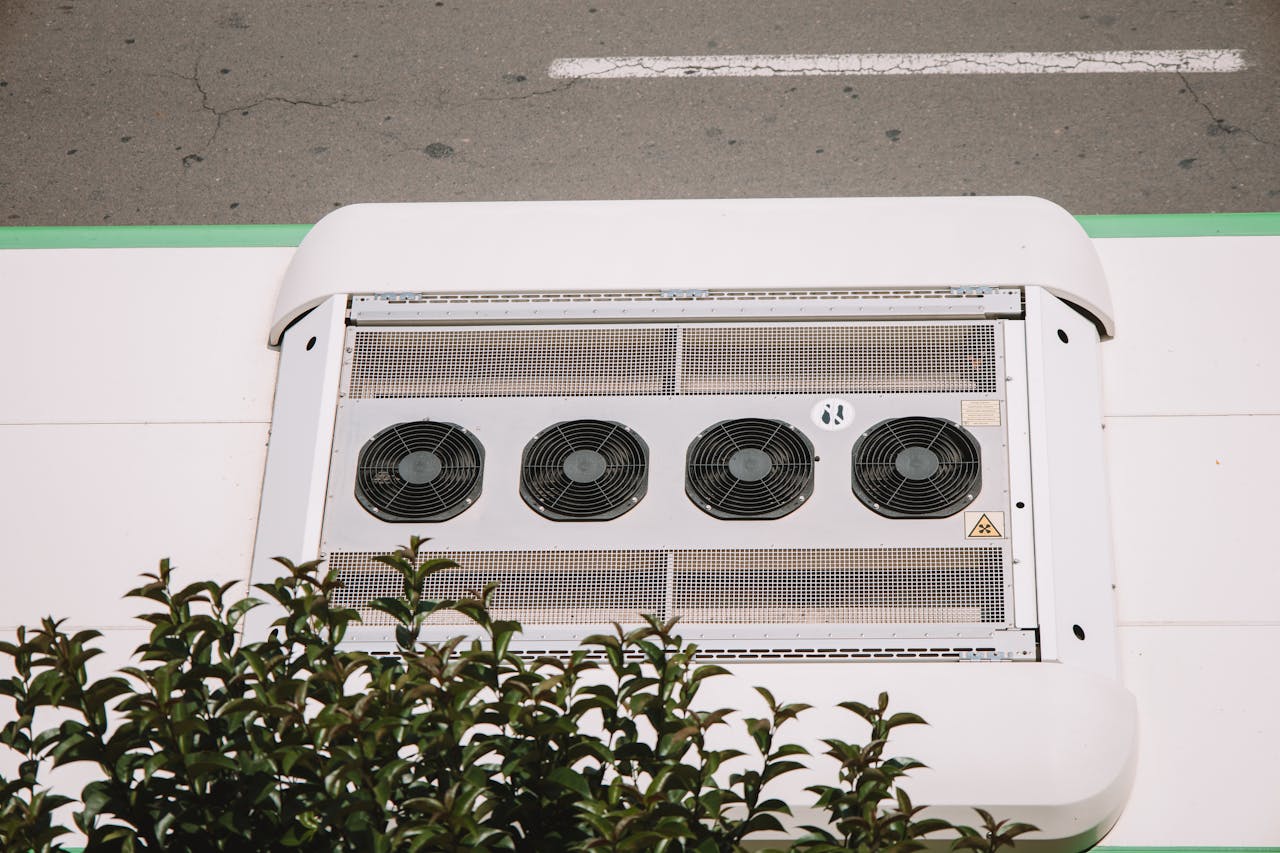
Low air pressure across your ventilation system indicates a failing blower motor or blocked ductwork. Air conditioning units must push conditioned air effectively to balance indoor temperatures evenly. Static air pockets create immediate discomfort for everyone inside the property.
Low air pressure strains your system. Commercial building managers often start with basic AC troubleshooting and repair before calling team specialists. The initial step helps isolate simple blockages from major motor failures.
Ignoring poor air circulation forces your cooling machinery to work much harder to meet basic temperature targets. Extended operating times stress internal components and reduce the operational life of your expensive hardware.
Sudden Spikes In Energy Bills
Utility costs should stay relatively stable during similar weather seasons. Unexpected spikes in electrical consumption indicate your cooling unit is losing its operational efficiency. Systems draw far more power when internal components drag, seize, or malfunction under load. Monitoring electrical bills helps catch hidden internal strain.
A well-known home improvement publication reported that up to 30% of cooling energy gets wasted through gaps in air ducts. Hidden leaks force units to consume extra electricity to meet thermostat settings. Sealing breaches helps stabilize monthly utility costs.
Leaking ducts cause several noticeable problems across your commercial property:
- Uneven temperatures across different rooms
- Increased dust accumulation near supply registers
- Constant mechanical cycling throughout the afternoon hours
Strange Loud Noises During Operation
Cooling units normally produce a gentle hum when running smoothly. Loud rattling, screeching, or banging points to severe mechanical detachment inside the main cabinet. Loose parts can damage surrounding components if left unaddressed for too long. Unusual vibrations often indicate failing fan blades.
A major business magazine noted that unexpected performance drops serve as clear indicators for major equipment evaluation. Suddenly, strange sounds usually accompany drops in operational quality. Maintenance teams should investigate sound changes to prevent compounding mechanical damage.
Loose belts or failing bearings create intense friction that destroys metal hardware. Scheduling a timely inspection protects your capital assets from destruction. Quick structural repairs prevent a minor loose screw from wrecking the entire compressor assembly.
Unpleasant Odors Blown Through Ducts
Clean machinery distributes completely odorless air throughout your commercial facilities. Foul scents indicate biological growth or chemical leaks within the internal cooling components. Damp smells often mean water is pooling inside the ventilation system pathways. Musty air signals that mold is multiplying.
An online home renovation guide explained that chemical smells can mean a severe refrigerant leak requires immediate professional intervention. The same guide stated that low refrigerant levels diminish cooling power and cause ice buildup. Technicians must patch leaks to restore proper system pressure.
Burning scents signal electrical short circuits or overheated wiring insulation. Shut down system power at the main breaker panel to avoid electrical hazards. Professional electricians can trace the faulty circuits safely before you restart the machinery.
Frequent System Short Cycling
Short cycling happens when a cooling unit turns on and off constantly without completing a full run cycle. Systems must run steady cooling cycles to lower humidity levels effectively. Constant stopping prevents the equipment from balancing indoor humidity properly. Frequent cycles place extreme stress on switches.
Rapid starting puts immense mechanical strain on your primary compressor unit. The issue stems from faulty thermostat sensors or poorly sized equipment configurations. Correcting sensor placement stops the repetitive power cycling behavior.
Constant electrical surges draw high amounts of power during each startup phase. Fixing the cycle pattern keeps your monthly operational costs highly predictable. Consistent run times protect your electronic controls from burning out prematurely.
Visible Water Pools Around Units
Cooling processes naturally generate condensation as moisture gets pulled from indoor air. Safe setups channel the water out through dedicated drainage lines. Blocked pathways cause water to back up quickly into the building structure. Unmanaged moisture leads to serious rust formation.
Clogged drain pans overflow and create dangerous puddles around your mechanical gear. Pooling moisture damages drywall, flooring, and surrounding structural materials. Checking drain pans regularly prevents expensive structural damage from occurring.
Standing water creates prime conditions for biological growth inside your utility rooms. Clear out drain lines to avoid expensive property restoration projects. Clean drainage systems keep your mechanical spaces dry and safe.
Proactive tracking keeps your building climate infrastructure running smoothly all year long. Addressing the 6 warnings early protects your financial investment from major emergency expenses. Routine inspections keep systems dependable.
Comfortable indoor environments maintain property values and keep occupants happy. Schedule professional assessments to catch mechanical failures before summer heat peaks. Timely interventions secure your operational comfort.