6 Tips on How to Remove Pests after Moving into a New House
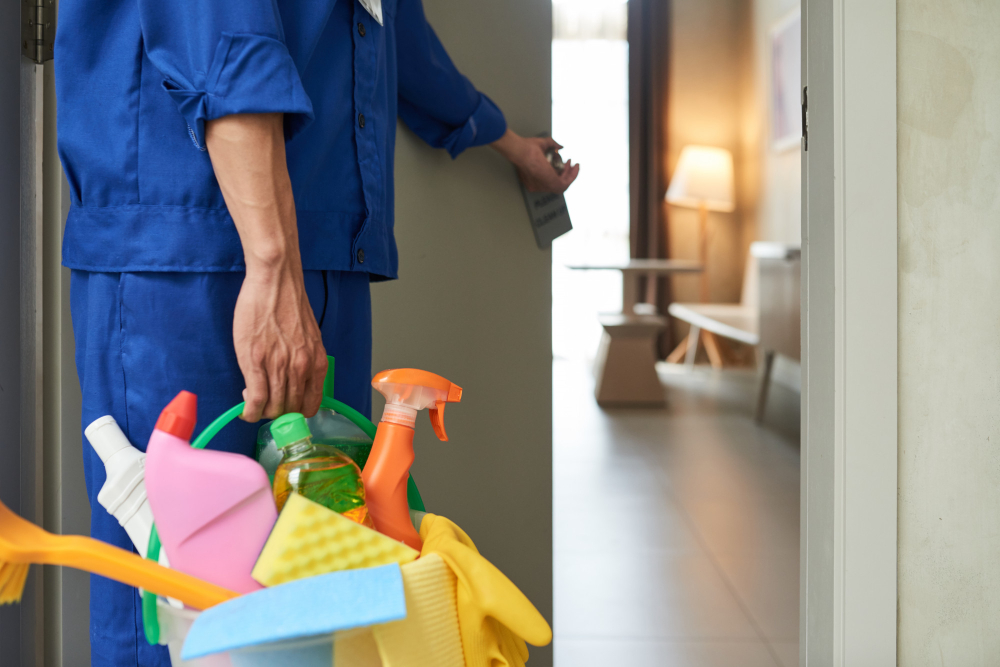
Moving into a new house can be an exciting but tiring experience, and pests are the last thing you need. Uninvited insects can prevent you from creating a cozy and welcoming place for your guests in your new house, but guess what? You might not even know what lurks in your new home.
It might seem scary, but there are some simple precautions to ensure you keep insects out and create a pest-free environment for your family and friends when they come over.
Tips for Dealing with Pests
Remember how you were hunting for a new place until you settled on this new house? Well, insects are no different; they're also searching for their next safe location to find food and water, and make bug babies.
Pests are a common issue within households. In fact, around 2.9 million people reported seeing insects like roaches in their houses. You can prevent this with six simple steps and create a pest-free home.
1. Clean Up Outdoor Areas
Bugs come from the outdoors, so it's only natural that you want to start with these areas first. Usually, you'll find insects hanging out in debris or damp, dark, and warm places where they can hide. You should also look for branches, leaf piles, twig piles, or outdoor trash because they can easily crawl inside your house.
By cleaning the outdoors, we mean trimming trees, raking leaves, collecting trash, and moving them away from your home. If you fail to do so, you're risking you and your loved ones' lives because statistics show that pests like mosquitoes cause approximately 800,000 deaths yearly, so you don't want to be one of those numbers.
2. Home Cleanup
Once done with the outdoor areas, it's time to tackle your actual home. This is the biggest draw for insects if you leave food, water, and crumbs on the table or floor.
That's why before moving into your house, you need to do a thorough cleaning first. You can do this with the help of some products, storing food in sealed containers, or cleaning up floors regularly to avoid any food crumbs.
Unfortunately, termites infest around 600,000 houses in the U.S. alone, so they're widespread in households. Luckily, you can find some of the best termite killers on the market with active ingredients that kill pests instantly.
3. Do an Inspection Beforehand
The construction phase is the most inviting to pests if you're building your new house. But if you're concerned about insects moving into your new home, you can inspect the interior crevices and cracks beforehand and spray them.
However, if you're moving into an existing home, you can hire a professional pest control to inspect to take a look and ensure there are no pest issues. They'll tell you whether it's a manageable situation or if there are any other problems.
The last thing you want to do is move into a house with an active pest problem. To avoid this, you can take matters into your own hands or leave it to the professionals to identify and manage the pest problem before it's too late.
4. Maintain Cracks, Crevices, and Barriers
Did you know that cracks, crevices, and barriers are the top places where insects thrive? According to statistics, cracked walls, leaks, and broken windows are among the most frequent issues that lure pests. That said, you must seal any cracks or crevices around your windows, foundations, basement, and insulation.
Another thing you can do is inspect the perimeter of your house by repairing any holes or covering them up to prevent pests from entering inside.
Whatever you do, don't forget to cover up any gaps in your door or add an entry sweet for an additional layer of protection. You can use door-seal or weather stripping kits to the frame to keep pests from entering from the sides or top of the door.
5. Install a Screen
If you want to be extra, you can install a screen mesh on your windows and doors to keep the fresh air in your home. Usually, a finer or mesh is an excellent alternative to preventing pests from entering your door. At the same time, if your house already has screens, you can do a simple inspection and ensure there are no tears or holes to allow insects inside.
6. Don't Pick Up Bed Bugs
Bed bugs are often overlooked, but they can be dangerous when transmitted. To protect yourself from bed bugs and other pests, you should buy mattress encasements to cover up any fabric on your mattresses.
If you didn't know, the exposed fabric is prone to picking up bed bugs, so the best thing you can do is to wash your fabrics and clothes on high heat and seal them in bags beforehand.
Frequently Asked Questions
Should I do a pest inspection before moving into a new home?
Yes, especially if the home was vacant for a while before you took possession or if you're buying rather than renting. A professional pest inspection costs a fraction of what dealing with an active infestation costs later, and catching termites, rodents, or bed bug problems before move-in day means you can address them with empty walls and floors rather than around your furniture and belongings. For rentals, request that the landlord arrange the inspection before you sign or take possession.
What's the most common way pests get into a new home?
Cracks, gaps, and openings around the building envelope — particularly around windows, doors, foundation seams, and where utility lines enter the structure. Most pests need only a small gap to enter. Sealing these entry points is the single most effective preventive measure, since stopping pests at the perimeter avoids all the cleanup and treatment work that follows once they're inside. Combine sealing with regular outdoor cleanup to remove the harborage areas pests use to gather near the house before entry.
Can I deal with pests myself or do I need a professional?
Depends on the pest and the stage. Routine prevention — sealing cracks, screen repair, outdoor cleanup, food storage — is straightforward DIY work. Surface-level treatments for ants, occasional spiders, and minor roach activity work fine with retail products applied carefully. But established termite colonies, recurring bed bug problems, large rodent infestations, and stinging-insect nests near the house are jobs for professionals. The cost of professional treatment is usually less than the damage of getting it wrong, and licensed exterminators have access to products and techniques that aren't available retail.
How do I prevent bringing bed bugs into my new home during a move?
Wash all fabrics (clothes, linens, curtains, soft furniture covers) on the highest heat setting they tolerate before packing, then seal them in plastic bags until they're inside the new home. Inspect upholstered furniture carefully before loading the moving truck — bed bugs hide in seams, frames, and undersides. Use mattress encasements designed to trap bed bugs on existing mattresses before transport, and consider replacing mattresses that have shown any signs of bed bug activity rather than risking transferring them to the new home.
What outdoor areas matter most for pest prevention?
The five-to-ten-foot perimeter around the house matters most. Branches and shrubs touching the structure provide highways for ants, spiders, and rodents directly into the building. Leaf piles, woodpiles, and standing trash bins create harborage. Standing water — clogged gutters, low spots in the yard, neglected birdbaths — breeds mosquitoes within a week. Keeping that perimeter clean, dry, and clear of contact with the building blocks the most common entry routes.
How quickly should I act if I see a pest after moving in?
Immediately. One ant rarely means one ant; one mouse rarely means one mouse. Pest populations grow geometrically once they've established access to food and shelter, and the cost of treatment scales with the population size and the area affected. A single bed bug sighting warrants immediate room-by-room inspection. A single mouse warrants tracking down the entry point and setting traps that day. The cost of acting on the first sighting is almost always lower than the cost of waiting a week or two to see if the problem worsens.
Are termites really worth worrying about in a new home?
Yes, especially in regions where subterranean termites are active and in any home with wood elements close to the soil. Termite damage is among the most expensive pest-related repairs because it compromises structural framing, and the damage often progresses for years before homeowners notice. A termite inspection during the buying process is standard for a reason. For rentals, learn whether the building has had termite treatment history and whether routine inspections are part of the property management.
Will keeping a clean house actually prevent pests?
It dramatically reduces the appeal of your home to most pests but doesn't make you immune. Roaches, ants, and rodents are attracted to food residues and water sources — keeping floors, counters, and food storage clean removes the main draw. But termites don't care about kitchen cleanliness; they're after the structure itself. Bed bugs hitchhike on used furniture and luggage regardless of housekeeping. Combine cleanliness with structural sealing and routine inspection for the strongest protection.