5 Reasons Why You Should Have a Water Filter System
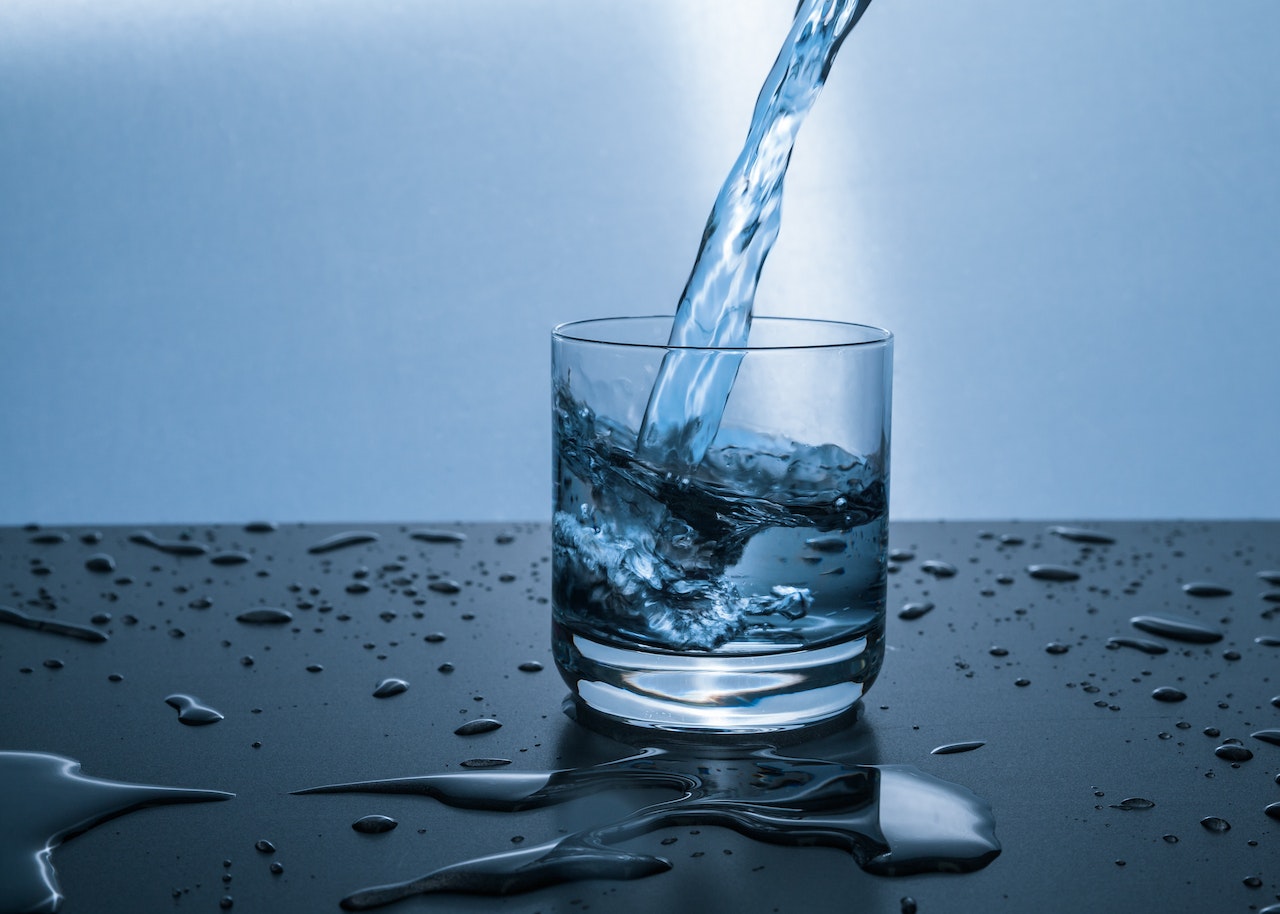
Undoubtedly, water is one of the most important parts of our everyday life. We drink it to stay healthy, we use it to wash off uncleanliness from every surface, we use it for plants, and so on. So, naturally, we want to ensure that the water we're using is as clean as possible. The most effective way to ensure that is by installing a water filter system in your home. Water from the tap isn't always clean depending on where you live; it may contain chemicals, sediment, or particles that can be harmful to you. Now, if that wasn't enough to convince you to install a water filter system, here are 5 more:
1. Water Filters remove chlorine
As mentioned before, your tap water might contain some chemicals that can be displeasing, one of which is chlorine. Although chlorine can mostly be found in swimming pools, it's also quite common in our tap water. When the chlorine we consume reacts with water, it produces some acids that eventually harm your body cells over time. You can quickly get rid of chlorine and all other chemicals in your water by installing a water filter system and drinking water safely.
2. Water Filters help you save money and protect the environment
It is essential to drink water and keep your body hydrated, and drinking tap water that might have a weird smell or taste will make it hard to do so. For this reason, you might tend to buy a lot of bottled water from the store that you know is clean. This has negative sides to it because not only will you spend a lot of money since you need to drink water every day, but that also means extra plastic, which will increase your carbon footprint. If you invest in a water filter system for your home, this will be cheaper in the long run and reduce your carbon footprint.
3. Water Filters help you have healthier skin and hair
We mentioned the importance of having clean drinking water for health purposes, but we also need to remember that we use water for other purposes that require clean water, such as washing our hair and skin. Drinking water with chemicals can not be good for your health, and it is definitely not great for your hair and skin either. Unfiltered water can affect the texture and health of your hair, and it can also affect your skin by making it extremely dry after a shower. So if you want your skin and hair to thrive, buying water filters might be a good start so you can rest assured that the water you are using is clean of all chemicals.
4. Filtered Water is more convenient
Nowadays, convenience is the main demand for any home appliance. We want to be able to have access to things we need easily and quickly; water is no exception. If you say, buy bottled water and keep them in the fridge overnight for whenever you might get thirsty, or you own a water pitcher that filters your water, you might think that you're all set on the convenient part. But what happens when someone forgets to fill the water pitcher or you run out of water bottles? You will need to go to the store to purchase some more water bottles or fill the pitcher and wait for it to filter out the chemicals. This is highly inconvenient, and a water filter system is a solution. You can easily get a glass, put it under the faucet, and enjoy tasty clean water without any hassle.
5. Water Filters increases your appliances' lifespan
And last but certainly not least, we need to think not only about the water out of the faucet to be clean but also going into other appliances such as dishwashers, washing machines, sinks, and showers. Contaminated water will eventually start to wear down appliances that are constantly involved with water. The chemicals in unclean water can start to dissolve the pipes, which can ultimately cause problems. Also, you may have seen rustic spots on some appliances like your bathtub or even clothes from the washing machine, resulting from harmful contaminants in water such as rust. If these toxic chemicals are filtered out, you will protect your appliances and save money in the long run.