The Rising Demand for Private Car Services Among Boston Apartment Residents
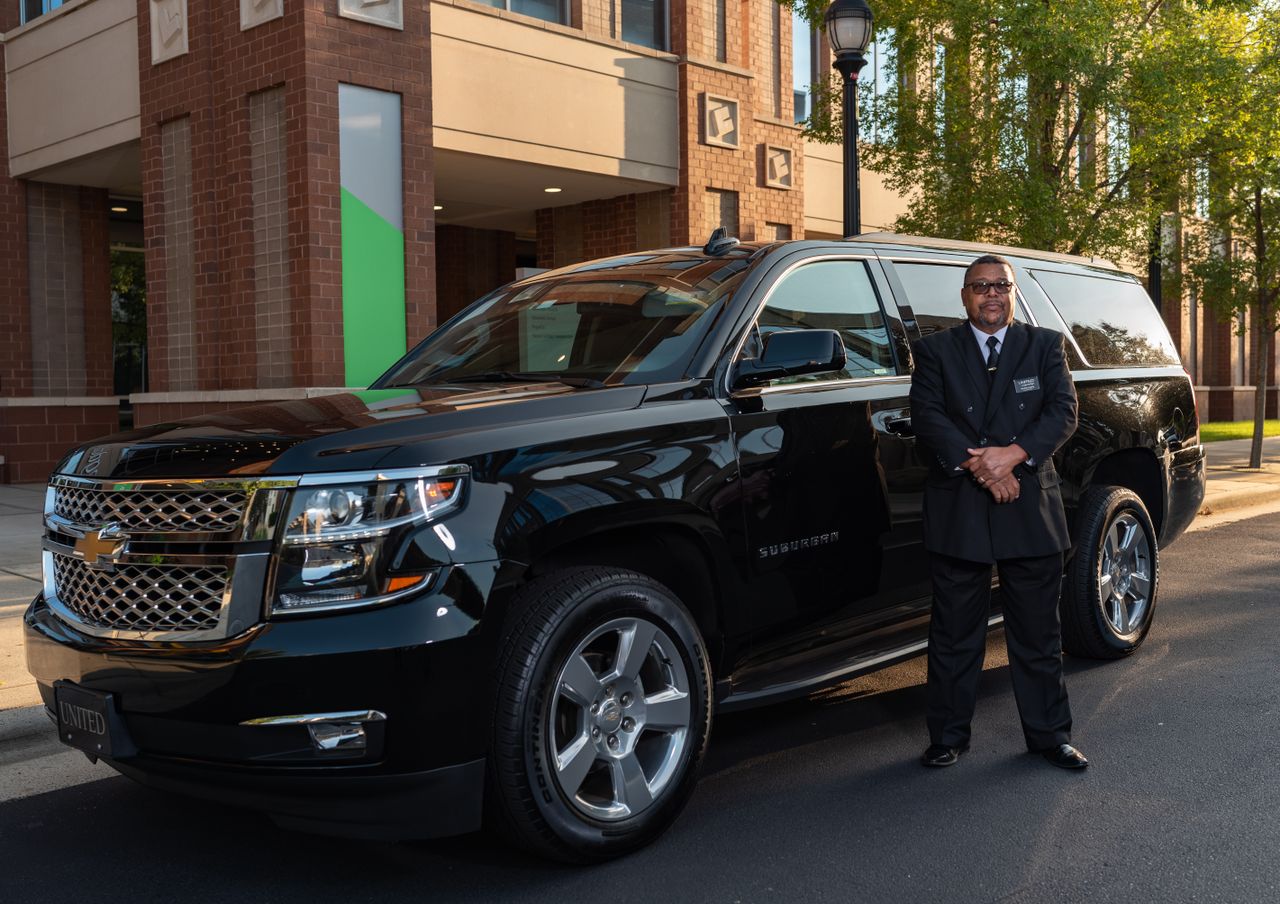
Rising preference among Boston apartment residents for private, chauffeur-driven transportation reflects changing urban lifestyles and increasing demand for reliable, private mobility. Many residents of Back Bay, Beacon Hill, and the Seaport District now choose private car service in Boston for airport runs, business meetings, medical visits, and nights out, prioritizing predictability and privacy over rideshare uncertainty. This article explains the forces behind the trend and shows how chauffeur-driven car service meets concrete needs for Logan trips, executive commutes, residential pickups, and event transfers.
Why Apartment Residents Are Choosing Private Car Services
Apartment living in neighborhoods such as Millennium Tower, One Dalton, and The Quinn places a premium on time, safety, and discretion. Residents leaving for Logan International Airport prefer a single reliable pickup that handles luggage and traffic through I-90 or Storrow Drive, avoiding rideshare surge pricing and uncertain wait times. Families traveling to Massachusetts General Hospital or Brigham and Women's Hospital find chauffeur-driven car service convenient for scheduled medical appointments, reducing stress when transfers and waiting rooms complicate logistics.
Professionals commuting from Back Bay to Kendall Square or Cambridge use private car service in Boston to take conference calls en route and arrive ready for meetings without parking concerns near One Financial Center or the Prudential Center. Evening plans originating from Fenway or the Seaport District become simpler when a reserved vehicle provides safe group transport after concerts at TD Garden or nights at Symphony Hall. Predictable timing, vetted chauffeurs, and a quieter cabin for confidential conversations often justify the added cost for residents who regularly travel for work, health care, or family needs.
Airport Travel Patterns: Why Logan and Regional Airports Matter
Departing and arriving passengers in Boston rely heavily on Logan International Airport, with Terminal A serving domestic carriers and Terminal E serving international flights; residents often plan pickups around terminal-specific security and curbside rules. Families and groups from the Seaport or Back Bay typically book Logan Airport car service that provides meet-and-greet at baggage claim and handles oversized luggage for direct transfers through the Ted Williams Tunnel or Callahan Tunnel. Peak flows cluster around early-morning business departures and late-afternoon arrivals, while weekend peaks appear after Red Sox games at Fenway Park and concerts at MGM Music Hall.
Regional airports such as Hanscom Field and Worcester Regional Airport attract travelers seeking quieter terminals or private charter options; chauffeur services simplify those transfers and coordinate arrivals with varied parking and check-in rules. Private airport car service reduces stress by guaranteeing vehicle capacity, prearranged terminal access, and chauffeur familiarity with the Sumner Tunnel and airport traffic patterns, which often shortens door-to-door time compared with multiple rideshare pickups during surge periods.
Residential Pickup: Building Access, Pickup Etiquette, and Convenience
Luxury buildings with doormen and security desks require drivers to follow specific pickup protocols to ensure resident privacy and building security. Drivers working with Back Bay addresses typically check in with the concierge at The Sudbury or Prudential Center entrances and await a texted pin or floor code before accessing elevators. Seaport residents at EchelonSeaport or Raffles Boston Residences often request curbside pickup at Rowes Wharf or along Harborwalk to avoid elevator delays, while guests at Four Seasons Private Residences or The Langham Boston usually arrange a designated hotel portico pickup.
Residents should communicate expected elevator wait times and preferred pickup points when booking a Boston car service, and chauffeurs should confirm vehicle make, license plate, and estimated arrival to ease entrance through building security. Clear expectations reduce parking citations near Storrow Drive and minimize time spent waiting in lobbies, improving the overall experience for both resident and chauffeur.
Executive and Business Travel Needs
- Executive transfers between One Financial Center and Kendall Square for investor meetings, ensuring uninterrupted work time en route.
- Hourly charters for multi-stop site visits from Prudential Center to Harvard University and MIT during conference days.
- Corporate accounts providing monthly airport pickups to Logan International Airport for traveling executives.
- Confidential rides for visiting scholars from One Dalton to Harvard University with a quiet, private cabin for calls.
- Transfer services for convention delegations between the Hynes Convention Center and the Boston Convention and Exhibition Center.
- Seamless downtown-to-Cambridge commutes that avoid parking hassles at Northeastern University and MIT.
- Chauffeured transport for small corporate groups arriving at Rowes Wharf for client dinners.
Event, Weekend and Leisure Use Cases
- Private rides to Fenway Park for Red Sox game nights, ensuring smooth group arrival and post-game pickup.
- Chauffeured transport to TD Garden for concert nights with large equipment or instrument cases.
- Airport transfers for weekend getaways from Back Bay to Logan, handling luggage and priority terminal access.
- Family trips to the Museum of Fine Arts or the Isabella Stewart Gardner Museum with flexible vehicle options for stroller storage.
- Group transfers to New England Aquarium and Faneuil Hall for visiting relatives carrying shopping or picnic supplies.
- Wedding-party transport between ceremony venues and receptions, coordinating staging and timed arrivals.
- Weekend airport runs to Worcester Regional Airport or Hanscom Field for regional escapes and short-haul flights.
Vehicle and Service Standards Residents Expect
Residents choosing Boston car service expect clear vehicle classes and consistent standards: executive sedans such as Mercedes-Benz S-Class for single passengers and confidential meetings; SUVs such as Cadillac Escalade, Lincoln Navigator, or GMC Yukon Denali for family travel and luggage; Chevrolet Suburban or Mercedes-Benz Sprinter vans for groups and equipment-heavy trips. Chauffeurs maintain immaculately clean interiors, luggage capacity matching passenger needs, and up-to-date safety inspections aligned with Massachusetts regulations on I-93 and the Massachusetts Turnpike.
Companies typically document on-time performance, seasonal tire and brake checks for Zakim Bridge and I-90 crossings, and regular background checks for chauffeurs. Residents also expect discreet in-car conduct during rides to Massachusetts General Hospital or Dana-Farber Cancer Institute when confidentiality matters.
Planning Around Boston Traffic And Timing
Peak commute windows on I-93 and I-90 create predictable delays, and game nights near Fenway Park or concerts at TD Garden produce concentrated traffic spikes that require additional buffer time. Booking a private car service in Boston should factor in terminal location and tunnel congestion; departures for Terminal C during weekday mornings need earlier pickup times due to Callahan Tunnel backups, while Terminal E flights during international arrival peaks often require added buffers for customs lines.
Snowstorms and heavy rain increase travel time on Storrow Drive and across the Zakim Bridge, so residents should request earlier pickups during winter months. Chauffeurs often route through the Ted Williams Tunnel for faster Logan access from the Seaport District and use parallel local streets to avoid event-related closures around the Hynes Convention Center. Allowing an extra 20–35 minutes for downtown-to-airport transfers during rush or event periods usually ensures timely arrivals.
Safety, Privacy and Professional Chauffeur Practices
Chauffeur practices emphasize client confidentiality, verified credentials, and safe urban driving protocols to protect residents during trips to hospitals, hotels, and corporate offices. Professional chauffeurs follow strict privacy standards when handling business calls or medical transport details, maintain secure booking records, and avoid discussing passenger itineraries. Insurance coverage typically includes commercial liability that applies to airport transfers via the Massachusetts Turnpike and intercity trips on I-90, and companies provide evidence of vehicle inspections and maintenance schedules.
Professional Training and Customer Service
Chauffeur training covers city navigation, customer etiquette, and handling high-profile clients at venues such as Fenway Park, Symphony Hall, and Harvard University. Chauffeurs learn building access procedures for The Langham Boston and Four Seasons Hotel Boston, practice polite interaction with doormen, and develop familiarity with parking rules at institutions like Northeastern University. Training emphasizes punctuality, route optimization, discreet service, and proactive communication when delays arise.
Safety Measures and Insurance
Companies maintain proof of commercial insurance that covers Logan International Airport pickups and long-distance trips on I-93 and I-90, and they perform seasonal vehicle inspections to ensure safe operation on Zakim Bridge and Ted Williams Tunnel routes. During snowstorms, drivers receive protocols for winter tires and adjusted schedules, and services often offer rebooking flexibility for weather-related disruptions.
Cost Considerations and Value For Apartment Residents
Pricing depends on vehicle class, distance to Logan or regional airports, wait times, and whether clients choose hourly charters or point-to-point transfers. A Back Bay to Logan pickup during non-peak hours often yields shorter trip times than a same-day rideshare with surge pricing, while multi-leg itineraries from the Seaport District to Hanscom Field may present clearer value when booking a single chauffeur for the whole journey. Residents should weigh the guaranteed space and reduced parking fees against direct fare differences, and consider hourly bookings for hospital visits or multi-stop business days to avoid multiple point-to-point charges.
Long-Distance and Out-Of-Town Needs From Apartment Residents
Apartment residents frequently book intercity transfers for executive meetings or leisure trips, and chauffeur services coordinate permits, rested drivers, and routing for longer drives to Providence or Cape Cod using I-90 and I-93. Reliable scheduling matters more for trips that include Logan International Airport arrivals followed by onward travel to Worcester Regional Airport or Manchester-Boston Regional Airport.
Multi-Stop and Hourly Bookings
Hourly charters work well for campus tours between Harvard University and MIT, multi-hospital visits to Tufts Medical Center and Beth Israel Deaconess Medical Center, or political delegations needing flexible movement during conference days. Hourly bookings reduce administrative friction for planners who require repeated stops without rebooking each leg.
Overnight and Interstate Trips
Overnight trips to Providence or Cape Cod require advance planning for driver rest and possible mileage surcharges, and interstate bookings to New York demand coordination on tolls, parking, and accommodation for chauffeurs if multi-day service continues. Providers typically arrange permits and lodging to maintain continuity for longer itineraries that originate from Downtown Boston or One Financial Center.
Conclusion
Private car services address core needs of Boston apartment residents by combining privacy, predictable timing, and professional chauffeur practices tailored to airport travel, medical appointments, executive meetings, and event nights. Residents in Back Bay, Beacon Hill, and the Seaport District gain practical advantages when services handle building access, luggage, and terminal logistics at Logan International Airport and regional fields. Evaluating vehicle classes, booking windows around I-90 and I-93 traffic patterns, and choosing hourly or point-to-point models helps residents decide when private service offers clear value over rideshares.