Beyond the Lens: How AI and Smart Filters Are Reshaping Visual Content Creation
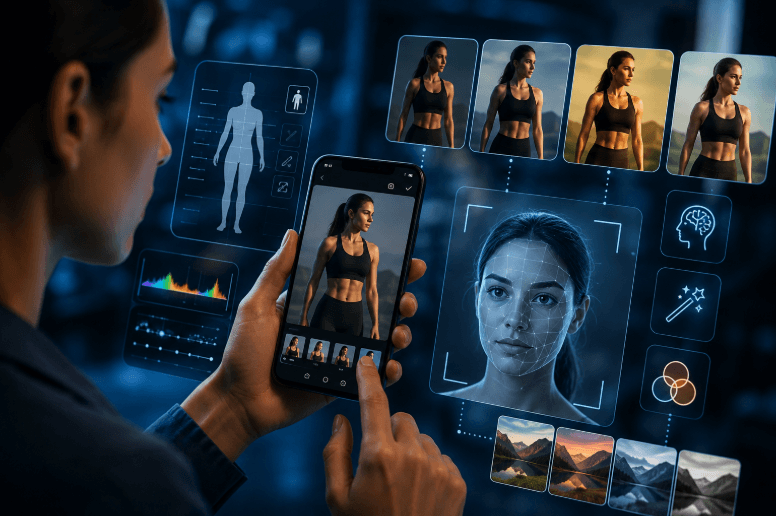
In recent years, digital content creation has undergone a massive paradigm shift. What once required hours of painstaking editing in high-end desktop software can now be accomplished in seconds with the help of artificial intelligence and advanced machine learning algorithms. From automatic color grading and background removal to real-time face tracking and body manipulation, smart image transformation tools have democratized visual storytelling. Creators no longer need complex technical skills to produce polished, eye-catching visual content; instead, smart, automated features handle the complex rendering work behind the scenes.
As visual platforms like TikTok, Instagram Reels, and YouTube Shorts continue to dominate internet traffic, the demand for fast, dynamic visual enhancements has never been higher. Among the most popular trends driving engagement today are transformational filters—tools that dynamically modify lighting, artistic styling, or physical attributes to spark viewer curiosity and engagement.
The Technology Driving Modern Visual Transformations
At the heart of modern photo and video effects is computer vision—a branch of artificial intelligence that enables software to analyze, interpret, and process visual data from digital imagery. Traditional photo filters operated primarily through simple global adjustments, altering hue, saturation, contrast, and brightness across an entire image. While effective for setting a mood or aesthetic color tone, these basic adjustments lacked contextual awareness.
In contrast, today’s smart filters utilize deep learning models trained on vast datasets of human anatomy, light interaction, and texture mapping. When an image or video frame is uploaded, neural networks instantly identify key anatomical landmarks—such as facial features, body contours, and skin tones. This precise recognition allows the software to apply localized, realistic modifications that move seamlessly with the subject.
Because these models understand depth, geometry, and lighting, the resulting output looks remarkably natural. Shadows conform to surrounding contours, textures blend smoothly with natural skin tones, and background details remain unwarped, creating an immersive experience that keeps viewers engaged.
Bridging Creativity, Self-Expression, and Personal Motivation
Beyond purely artistic expression, transformational AI tools have found a powerful niche in personal wellness, fitness, and lifestyle content. Visualizing physical progression has always been one of the most effective catalysts for personal goal-setting. Whether someone is preparing for a new athletic routine, exploring body transformation concepts, or simply creating humorous short-form videos, instant visual previewing offers unique entertainment and motivational value.
For digital creators and fitness enthusiasts alike, incorporating dynamic visual effects into pre-and-post workout clips or conceptual goal posts adds an undeniable layer of shareability. For instance, testing a virtual fitness filter gives creators a quick way to generate entertaining visual variations, simulate exaggerated athletic builds, or produce fun “before and after” storytelling clips for social media challenges.
When integrated thoughtfully into a broader digital strategy, these lightweight visual features keep audiences entertained while highlighting the playful side of personal transformation. Rather than replacing real-world effort, such digital transformations serve as creative hooks that capture attention in fast-scrolling social media feeds.
Best Practices for Integrating AI Visual Effects into Content Strategies
While AI-powered editing tools offer immense creative flexibility, using them effectively requires a strategic approach. Overusing dramatic effects can sometimes lead to visual fatigue or disconnect viewers from authentic storytelling. Here are key best practices for digital creators looking to leverage modern image tools effectively:
- Prioritize Storytelling Over Pure Novelty: A visual effect is most compelling when it serves a narrative purpose. Use transformational effects to highlight a transition, emphasize a punchline, or visualize a dramatic contrast within your video or post.
- Maintain Lighting Consistency: For AI filters to render with maximum realism, capture your original photo or video in clear, well-lit environments. Soft, consistent lighting helps computer vision models detect facial and body features accurately.
- Combine Automated Tools with Personal Branding: Smart filters are excellent for quick edits, but combining them with your signature color grading, text overlays, or audio selection ensures your content retains its unique brand identity.
- Engage with Trends Responsively: Social media trends built around visual filters move quickly. Participating in active trends while adding your unique personal twist helps amplify reach while maintaining authenticity.
Ethical Considerations and the Future of AI Media Editing
As image transformation technology becomes increasingly realistic, discussions surrounding visual transparency and authentic representation are becoming more prominent. Content creators and platform operators alike are recognizing the importance of maintaining a balance between creative fun and ethical content production. Clear labeling, playful presentation, and transparent context ensure that visual enhancements remain a positive tool for entertainment and inspiration rather than a source of unrealistic expectations.
Looking ahead, the future of smart editing tools points toward even deeper integration across creative workflows. We are moving toward interactive environments where multi-modal AI tools can instantaneously convert text prompts into dynamic lighting shifts, seamless object replacements, and hyper-personalized video templates.
Ultimately, smart filters and AI photo enhancers are not substitutes for genuine creativity—they are powerful force multipliers. By removing technical barriers to entry, these tools empower anyone with a smartphone to explore new dimensions of digital media, turn creative concepts into reality, and connect with global audiences in compelling new ways.